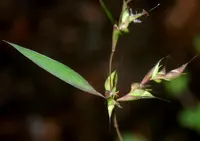
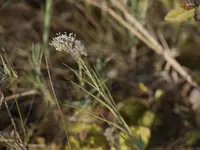
yellow bluestem Care (Bothriochloa ischaemum)

Also known as: King Ranch bluestem
yellow bluestem

About yellow bluestem

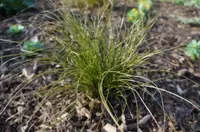
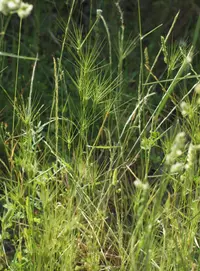
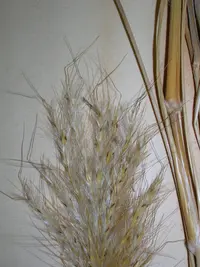
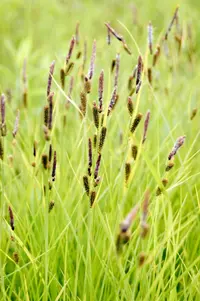
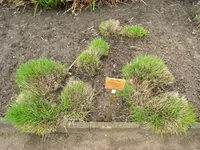
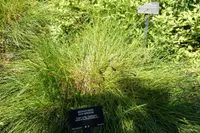
Yellow bluestem (Bothriochloa ischaemum) is a warm-season perennial bunchgrass often used in pastures, roadsides, and erosion control plantings. It forms dense clumps with upright, bluish-green leaves that turn golden or straw-colored as they mature.

The plant is native to parts of Eurasia but is now widely naturalized in many warm, dry regions, including parts of the United States. It tolerates heat, drought, and poor soils, which makes it easy to establish but also allows it to spread aggressively in some areas.

For those who want to care for yellow bluestem responsibly, it grows best in full sun, well-drained soil, and relatively low to moderate moisture once established.

Main Plant Requirements

Care Difficulty

Easy Care

Light Preference

Full Sun

Water Requirements

Low Water

Temperature Preference

Cold Hardy

Hardiness Zone

4–9

Soil Texture

Sandy, Loamy, Clay

Soil pH

Slightly acidic (6.5–7.0), Slightly alkaline (7.0–7.5)

Soil Drainage

Well-drained

Fertilization

Minimal (feed rarely)

Get Personalized Care Plan

Scan your plant to receive care tips personalized for your specific plant

Available on iOS and Android

How to Care for the yellow bluestem

This warm-season grass thrives in open, sunny sites with strong direct light.

  • Provide 6–10 hours of direct sun daily; full sun promotes dense growth and strong stems in Bothriochloa ischaemum.
  • It tolerates light partial shade, especially with morning sun and dappled afternoon light, but stems may grow taller and looser.
  • Avoid heavy shade, which causes weak, floppy growth, and monitor in midsummer, as reflected heat near pavements can dry soil faster.

This drought-tolerant grass prefers infrequent, deeper watering rather than light, frequent doses.

  • In the first growing season, water when the top 5–8 cm of soil is dry; established plants usually need only occasional deep soaking after extended dry spells.
  • Choose well-drained, sandy or loamy soil; standing water, slow drainage, or a sour smell indicate overwatering and risk of root problems in Bothriochloa ischaemum.
  • Crisp, curling leaves and slow growth suggest underwatering, while yellowing lower leaves and soggy soil signal excess moisture and reduced oxygen at the roots.

This species handles heat well but still has clear limits for cold and extreme conditions.

  • Active growth occurs mainly around 75–95°F (24–35°C), with warm summers encouraging tall, vigorous clumps.
  • It tolerates heat up to about 100–105°F (38–41°C) if soil is not waterlogged, but extended extreme heat with drought can cause browning and dormancy.
  • Dormant plants can survive brief drops near 10–15°F (-12 to -9°C), yet repeated hard frosts may thin stands, especially in exposed, windy sites without snow cover.

Humidity is not a major factor for Bothriochloa ischaemum, which adapts well to typical outdoor air conditions.

Bothriochloa ischaemum prefers lean, well-drained substrates and copes well with dry, low-fertility sites.

  • Use sandy or sandy-loam soil with low to moderate organic content to prevent water retention around roots.
  • Ensure very fast drainage; incorporate coarse sand or fine gravel if existing soil is compacted or heavy.
  • Aim for slightly acidic to slightly alkaline conditions, roughly pH 6.0–8.0, as the species is tolerant across this range.
  • Avoid clay-heavy, waterlogged, or constantly irrigated soil, which promotes root decline and weak, floppy growth.

This grass can be grown in containers, mainly for controlled spreading or display in dry, sunny sites.

  • Choose a wide, heavy container to resist tipping in wind and to accommodate its clumping, spreading root system.
  • Use a coarse, fast-draining mix such as 60–70% mineral material (sand or grit) to mimic dry, open ground.
  • Raise the pot on feet or spacers so drainage holes stay clear and runoff leaves the container base quickly.

This warm-season grass needs only light feeding in average garden or meadow soils.

  • Apply a thin layer of compost around clumps in spring to support steady growth of yellow bluestem.
  • Use a balanced, slow-release NPK fertilizer at half strength once in late spring if soil is poor.
  • Avoid summer overfeeding, which promotes weak, lush growth and lodging in windy sites.
  • Do not fertilize during winter dormancy or when growth has stopped.

Pruning Bothriochloa ischaemum is simple and mainly focused on seasonal cleanup and maintaining a tidy clump.

  • Cut back old, dry stems to 5–10 cm above soil level in late winter or very early spring before new growth emerges.
  • Remove dead, broken, or lodged stems during the growing season with sharp hand pruners or shears.
  • Thin out crowded interior stems to improve air flow and keep the clump upright and better shaped.
  • Leave healthy seed heads over winter if habitat value or self-seeding is desired, then trim before spring growth.

This grass is usually grown in the ground, so transplanting established clumps is more common than repotting.

  • Plan division or transplanting in early spring or early fall when temperatures are mild and soil is workable.
  • Lift clumps with a spade, keeping a generous soil ball to limit root damage and stress.
  • Divide congested plants every 3–5 years, separating sections with several shoots and healthy roots.
  • Replant at the same depth, water deeply, and keep soil slightly moist until new growth resumes.

This species is commonly propagated by seed or by dividing established clumps.

  • Sow clean, ripe seeds in late spring when soil is warm, using a well-drained, gritty mix and only lightly covering them.
  • Keep seed trays or prepared beds evenly moist but not waterlogged until germination.
  • Divide mature clumps of Bothriochloa ischaemum in early spring, when new shoots just start to emerge.
  • Replant divisions promptly, spacing them to allow future spread and watering well during the first few weeks.

This warm-season grass is generally cold hardy in much of the US and needs minimal winter care.

  • Allow foliage to stand through winter to insulate the crown and provide structure and wildlife habitat.
  • In colder regions, add a light mulch layer around the base after the ground cools, avoiding direct crown coverage.
  • Container plants in very cold areas can be moved to a sheltered, unheated space to prevent root freezing.

Care Tips

Time grazing carefully

If used as forage, rotate livestock through yellow bluestem stands quickly and avoid repeated close grazing below 10–15 cm, which helps maintain root reserves and reduces long-term stand decline.

Control unwanted spread

To limit this grass from spreading into nearby areas, mow or trim before seed heads fully mature and collect or bag clippings so seed does not disperse along paths, equipment, or drainage lines.

Establish with nurse cover

In windy or erosion‑prone sites, sow yellow bluestem with a short‑term nurse grass or cover crop, then gradually reduce the nurse species by mowing or light grazing once the bluestem is well rooted.

Use targeted burning

In areas where burning is legal and safe, apply a cool, controlled burn every 2–4 years in late winter to remove thatch, stimulate new tillers, and suppress some cool‑season competitors, following all local regulations and fire‑safety guidelines.

Monitor thatch buildup

Inspect the stand annually and, if thatch exceeds about 2–3 cm, reduce it with off‑season mowing, raking, or grazing to improve air flow at the base and support healthier, denser growth when growing yellow bluestem.

Common Pests and Diseases

Grasshoppers

This pest commonly feeds on leaves and stems, chewing irregular holes and sometimes removing whole leaf blades. Symptoms include ragged foliage and reduced stand density in heavily grazed or dry sites.

Solution

Monitor plants during warm, dry periods and reduce tall weeds or nearby unmanaged vegetation that shelter grasshoppers. In larger infestations, use bait formulations or targeted insecticides labeled for rangeland grasses, focusing treatments on field margins to limit non‑target impact.

Greenbugs (aphids)

This pest is a sap‑sucking aphid that injects toxins while feeding, causing yellow to reddish leaf spots that can coalesce into large necrotic patches. Symptoms include leaf curling, stunting, and in severe cases thinning of the stand.

Solution

Encourage natural predators such as lady beetles by limiting broad‑spectrum insecticides and maintaining plant diversity around the stand. When populations are high, use selective systemic insecticides or insecticidal soaps labeled for forage grasses, directing spray to the lower leaf surfaces where aphids cluster.

Armyworms

These insects are caterpillars that feed in groups, stripping foliage and leaving a lawn‑like, closely grazed appearance over short periods. Symptoms include rapid defoliation, visible frass (droppings), and caterpillars hiding at the soil surface during the day.

Solution

Scout at dusk or early morning and treat when caterpillars are still small and before extensive defoliation occurs. Mow to reduce thatch and shelter, and apply a targeted biological or contact insecticide labeled for pasture grasses if economic thresholds are reached.

Smut disease

This disease, caused by smut fungi, replaces normal flower or seed tissues with dark, powdery fungal spores. Symptoms include distorted seedheads, black or brown spore masses, and reduced viable seed production, particularly in stands managed for seed.

Solution

Rogue and destroy affected seedheads before spores disperse and avoid saving seed from infected areas. Rotate mowing or grazing schedules to reduce continuous flowering on the same plants and, when feasible, reseed with certified clean seed to limit re‑introduction of the pathogen.

Leaf spot

This disease produces small, tan to dark brown lesions on leaves that may merge into larger blighted areas under humid or crowded conditions. Symptoms include premature leaf death, reduced vigor, and thinning of the stand when stress such as drought or overgrazing is present.

Solution

Promote good air circulation by avoiding overly dense plantings and reducing heavy thatch. Adjust grazing or mowing height to limit leaf injury and stress, and where the problem is persistent in high‑value stands, rotate to less susceptible grasses or use a labeled fungicide as part of integrated Bothriochloa ischaemum care instructions.

Interesting Facts

C4 warm-season grass

This species uses C4 photosynthesis, a pathway that allows efficient carbon fixation and water use in hot, sunny environments, which helps it thrive in warm-temperate and subtropical grasslands.

Highly clonal growth

Yellow bluestem spreads by short rhizomes and tillers, forming dense clumps that can outcompete neighboring grasses and forbs in disturbed or overgrazed sites.

Introduced for forage

The grass was intentionally introduced to North America from Eurasia for forage, erosion control, and roadside planting, and has since naturalized widely across the southern and central United States.

Botan icon

Did you know?

In parts of the Great Plains and southern United States, yellow bluestem is considered an invasive grass because dense stands can reduce native plant diversity and alter fire regimes by changing the amount and continuity of dry fuel.

FAQs about yellow bluestem

In many regions, especially parts of the US, this grass is considered invasive. It spreads by seed and rhizomes, outcompetes native species, and can reduce plant diversity. Always check local regulations before planting outdoors.

Grow Healthy Plants with Botan Care

Keep your plants happy and healthy with plant identification, disease detection, and easy care guidance.

Botan plant care app — identify plants on mobile

Explore More Plants