Coastal Cat´s-foot-grass Care (Aeluropus littoralis)

Coastal Cat´s-foot-grass

About Coastal Cat´s-foot-grass

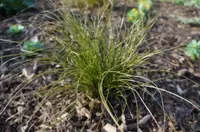
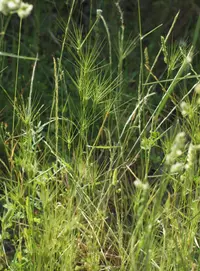
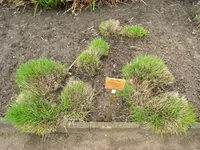
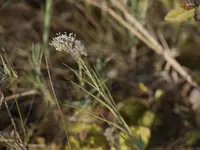
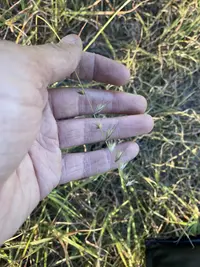
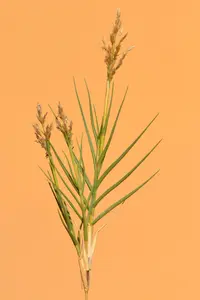
Coastal Cat´s-foot-grass, Aeluropus littoralis, is a low, tufted grass adapted to salty and coastal environments. It often forms dense mats or patches along shores, salt marshes, and other saline soils.

The leaves are narrow, often gray-green, and can appear slightly rough, helping the plant tolerate wind, salt spray, and drought. Its strong tolerance of salinity and poor soils makes it useful for stabilizing sandy or disturbed coastal ground.

Because of this hardiness, many growers find it relatively easy to establish in suitable climates. Understanding how to care for Coastal Cat´s-foot-grass mainly involves matching its need for sun, good drainage, and moderately dry, even salty conditions.

Main Plant Requirements

Care Difficulty

Moderate Care

Light Preference

Full Sun

Water Requirements

Aquatic

Temperature Preference

Warm Climate

Hardiness Zone

6–10

Soil Texture

Sandy, Loamy, Silty

Soil pH

Neutral (7.0), Slightly alkaline (7.0–7.5)

Soil Drainage

Waterlogged tolerant

Fertilization

Minimal (feed rarely)

Get Personalized Care Plan

Scan your plant to receive care tips personalized for your specific plant

Available on iOS and Android

How to Care for the Coastal Cat´s-foot-grass

This coastal grass thrives in strong light and handles exposed conditions well.

  • Provide full sun for 6–10 hours per day; Coastal Cat´s-foot-grass stays densest and most compact in open, unshaded sites.
  • Allow light partial shade in very hot inland areas, especially from harsh afternoon sun, to reduce leaf scorching and salt stress.
  • In higher latitudes, choose a south- or west-facing spot with minimal obstruction so low winter sun still reaches the plant and prevents thinning.

This halophytic grass is adapted to dry, saline habitats and prefers infrequent but thorough watering once established.

  • Outdoors in typical sandy or coastal soils, allow the top 3–5 cm to dry between waterings; in many climates, natural rainfall is enough except during extended drought.
  • Increase watering during hot, windy periods if leaf tips curl or the plant loses vigor, but avoid saturating the soil for more than 24 hours.
  • Ensure sharply draining, sandy or loamy soil so Aeluropus littoralis roots do not sit in standing water, which encourages rot and yellowing foliage.

This species tolerates a wide temperature range but grows best in mild to warm conditions.

  • Aim for active growth in 65–80°F (18–27°C), where foliage fills in quickly and roots spread efficiently.
  • Mature plants often survive down to about 15–20°F (-9 to -6°C) with some leaf burn; crowns usually resprout in spring if soil is not waterlogged.
  • In hot regions, plants handle 95–105°F (35–40°C) if soil moisture is not extreme and there is some air movement, but prolonged heat above this can cause scorching and dormancy.

This coastal grass tolerates a wide humidity range and rarely needs special adjustment in typical outdoor conditions.

This salt-tolerant grass prefers lean, sandy mineral soils that drain quickly and do not stay wet.

  • Use a mix of 60–80% coarse sand or gritty loam plus a smaller portion of fine gravel or mineral topsoil.
  • Aim for slightly alkaline conditions, around pH 7.5–8.5, which match many coastal and saline habitats.
  • Avoid peat-heavy, organic-rich mixes that hold moisture and break down into dense, air-poor layers.
  • If soil retains water, incorporate sharp sand or fine grit to improve aeration and rapid drainage for Aeluropus littoralis.

This species can be grown in containers, mainly for controlled saline or coastal-style plantings.

  • Choose a low, wide container to accommodate its creeping, mat-forming habit and prevent it from spilling unevenly over tall edges.
  • Use a heavy ceramic or clay pot when exposed to strong winds so the container does not tip as foliage spreads.
  • Elevate the pot slightly on feet or spacers so runoff drains freely and saline residues do not accumulate around the base.

This salt-tolerant grass usually needs minimal feeding, especially in coastal or nutrient-poor soils.

  • If growth is weak in containers, apply a balanced slow-release fertilizer (for example 10-10-10) at half label rate in early spring.
  • For in-ground Coastal Cat´s-foot-grass on poor sites, a light topdressing of compost in spring is sufficient.
  • Avoid fertilizing in late fall or winter to prevent soft, cold-sensitive growth.
  • Flush containers with water a few times each season to limit salt and nutrient buildup.

Pruning Aeluropus littoralis is mainly cosmetic and helps keep plantings tidy.

  • Cut back dead or winter-burned foliage in late winter or early spring before new growth emerges.
  • Shear lightly after flowering to maintain a low, even turf-like appearance and encourage fresh shoots.
  • Remove damaged or crowded stems at the base using clean, sharp shears to improve air circulation.
  • Avoid cutting into the crown too hard, as this can slow recovery in stressful saline or dry conditions.

This grass is more often used as a groundcover than a container plant, so focus on careful transplanting.

  • Transplant in spring or early fall when temperatures are mild and soil moisture is stable.
  • Move clumps if growth is sparse, bare patches form, or plants outgrow their allocated strip or basin.
  • Lift sections with a spade, keeping root masses intact, and replant at the same depth in well-drained, preferably sandy soil.
  • Water thoroughly after transplanting and keep soil lightly moist for 1–2 weeks to limit root stress.

Aeluropus littoralis is commonly propagated by division or seed for erosion control and saline sites.

  • Divide mature clumps in spring, separating rooted sections with a spade and replanting immediately.
  • Sow fresh seed in late spring to early summer on moist, well-drained sandy soil with good light.
  • Keep the seedbed evenly moist but not waterlogged until seedlings are established.
  • Space new plants to allow lateral spread, which naturally fills gaps over time.

This species is generally cold hardy in temperate coastal climates and needs little specific winter care.

  • In colder inland zones, apply a thin mulch layer around the root zone to moderate soil temperature.
  • Allow foliage to brown naturally; it insulates crowns and can be trimmed back in late winter.
  • Container plants in very cold regions benefit from being moved to a sheltered, unheated but frost-free area.

Care Tips

Salinity Management

Periodically irrigate with slightly saline water (e.g., 2–10 g/L NaCl) if local water is very fresh, since a modest salt level maintains vigor and competitiveness in this halophytic grass.

Erosion Control Planting

On coastal banks or dune edges, plant in staggered rows 20–30 cm apart to create a dense mat that stabilizes soil and reduces wind and water erosion.

Mowing And Traffic

If used as a low turf, keep mowing height around 5–7 cm and restrict heavy foot traffic for a few days after cutting to allow quick recovery of the stolons.

Weed Pressure Reduction

Install a narrow mineral mulch band (grit or coarse sand) between rows during establishment to suppress broadleaf weeds without trapping excessive moisture around the crowns.

Saline Container Drainage

For containers, use pots with large drainage holes and flush with low-salinity water every few months to prevent extreme salt crusts forming on the surface while still growing Coastal Cat´s-foot-grass in its preferred mildly salty conditions.

Common Pests and Diseases

Salt marsh aphids

This pest feeds on young shoots and leaf bases in saline, wet sites, sucking sap and causing yellowing, distortion, or reduced growth.

Solution

Rinse colonies off with a firm stream of water where access allows, encourage natural predators such as lady beetles, and, in managed plantings, use insecticidal soap or a light horticultural oil directed at the undersides and bases of leaves, repeating as needed while monitoring for re‑infestation.

Scale insects

This pest appears as small, fixed bumps on stems and leaf bases, weakening plants by removing sap and sometimes leading to sooty mold on nearby surfaces.

Solution

Physically scrape or wipe off individual scales where practical, prune out heavily infested culms, and apply a targeted horticultural oil spray during mild, dry weather to smother remaining scale while avoiding runoff into standing water where possible.

Leaf spot

This disease produces small brown to gray lesions on leaves, which can merge under prolonged humidity or overcrowded growth, reducing photosynthetic area.

Solution

Remove and dispose of heavily spotted foliage, avoid overhead irrigation in cultivation areas, improve spacing and airflow, and in valuable stands consider a grass‑labelled fungicide applied preventively during warm, wet periods following local extension guidance.

Fungal crown blight

This disease can occur in poorly drained or stagnating brackish areas, where crowns show browning, dieback of shoots, and thinning patches within the sward.

Solution

Improve drainage or water movement where possible, remove dead and severely affected clumps to reduce inoculum, avoid excessive nutrient additions that promote lush, weak growth, and, in managed plantings, rotate or rest stressed areas to support recovery while following any local recommendations for grass crown disease management.

Interesting Facts

Extreme salt tolerance

This species survives in soils so saline that many other grasses die, by actively pumping salt into special bladder cells on its leaves that later burst and shed the excess salt.

Living in tidal zones

It often grows in coastal salt marshes and upper intertidal zones, where it tolerates periodic seawater flooding and exposure, stabilizing loose, salty sediments.

Key halophyte model

Because of its strong tolerance to salinity and drought, this grass is used as a model halophyte in research on genes and physiological mechanisms that could improve crop resilience.

Botan icon

Did you know?

In some highly saline coastal and inland habitats, this grass can form low, dense mats that act as pioneer vegetation, gradually trapping sediment and organic matter and creating slightly less hostile microsites where less salt-tolerant plant species can later establish.

FAQs about Coastal Cat´s-foot-grass

This species spreads slowly to moderately by short rhizomes, forming low mats rather than running aggressively. In most gardens it behaves as a controlled ground-cover, though in salty, open sites it can gradually colonize bare patches.

Grow Healthy Plants with Botan Care

Keep your plants happy and healthy with plant identification, disease detection, and easy care guidance.

Botan plant care app — identify plants on mobile

Explore More Plants