Early stand assessment
Walk fields when seedlings are 5–10 cm tall and flag weak, waterlogged, or compacted patches so you can adjust traffic, drainage, or cultivation before the grass sets seed.

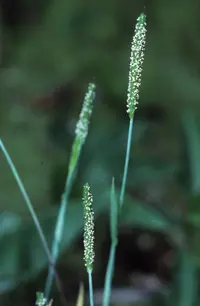
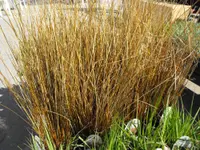
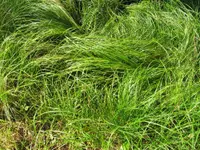
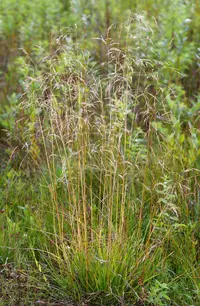
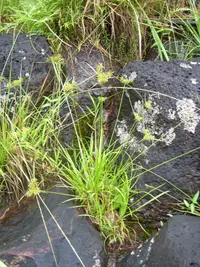
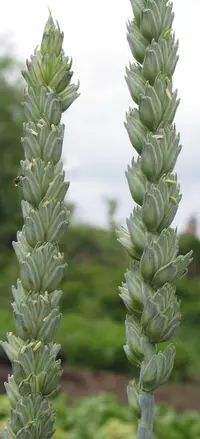
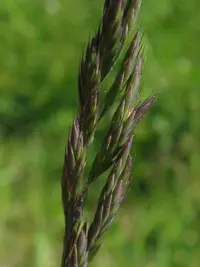
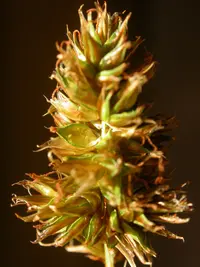
Carolina foxtail (Alopecurus carolinianus) is an annual grass native to North America, often found in moist fields, ditches, and along stream banks. It forms small clumps with upright stems topped by soft, narrow, bottlebrush-like seed heads.
This species thrives in damp to seasonally wet soils and tolerates light flooding, which makes it suited to rain gardens and low-lying sites. It grows quickly, self-seeds easily, and can spread where conditions are favorable, so care for Carolina foxtail focuses mainly on site choice and simple seasonal management rather than intensive maintenance.

Care Difficulty
Easy Care

Light Preference
Full Sun

Water Requirements
Regular Water

Temperature Preference
Cool Climate

Hardiness Zone
5–9

Soil Texture
Loamy, Silty, Organic-rich

Soil pH
Acidic (5.5–6.5), Slightly acidic (6.5–7.0)

Soil Drainage
Moist but well-drained

Fertilization
Minimal (feed rarely)
Scan your plant to receive care tips personalized for your specific plant
Available on iOS and Android
This cool-season grass prefers bright, open conditions similar to natural meadows and wetlands.
This species prefers consistently moist soil and does not tolerate long dry periods.
This cool-season annual grass grows best in mild conditions and slows in high heat.
This species tolerates a wide humidity range and usually does not need special humidity management outdoors.
Alopecurus carolinianus prefers moist, fine-textured soil that stays evenly damp but not stagnant.
This species can be grown in containers for short-term displays or habitat projects if moisture is managed carefully.
This annual grass usually needs little feeding, especially in naturally fertile or restored sites.
Pruning needs for Alopecurus carolinianus are minimal and focus on cleanliness and reseeding control.
This species is usually grown in the ground, so management focuses on field transplanting rather than long-term containers.
Multiplying Alopecurus carolinianus is most practical from seed, which fits its annual life cycle.
As a cool-season annual, this grass usually completes its life cycle before harsh winter and needs no special protection.

Plant Health Check
Not sure what's wrong with your plant? Check your plant's health inside the app.
This species is a cool‑season annual that germinates in late winter or early spring, grows quickly, and typically completes its life cycle before summer heat becomes intense in much of its North American range.
It commonly occupies seasonally wet habitats such as winter‑wet depressions, pond margins, and temporarily flooded fields, benefiting from soils that are saturated or shallowly inundated for part of the year but dry out later in the season.
Populations often appear in disturbed, open sites like crop fields, construction areas, or compacted road margins, where it acts as a short‑lived colonizer before being outcompeted by longer‑lived perennial species.
This grass is an annual species. It completes its entire life cycle within 1 growing season, then dies. New plants must come from seed each year rather than from overwintering roots or crowns.
Keep your plants happy and healthy with plant identification, disease detection, and easy care guidance.