northern bentgrass Care (Agrostis mertensii)

Also known as: Arctic Bentgrass
northern bentgrass

About northern bentgrass

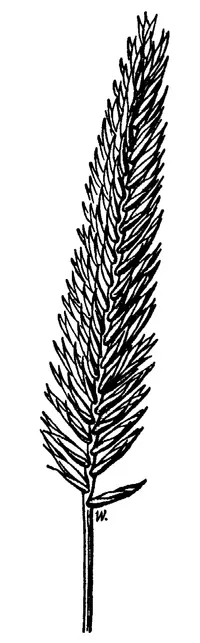
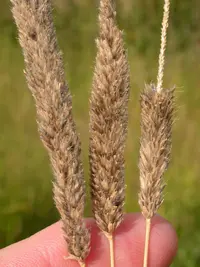
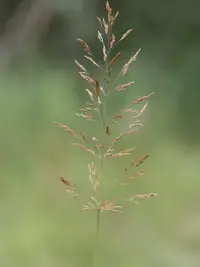
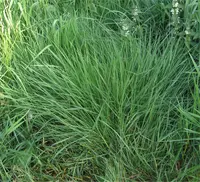
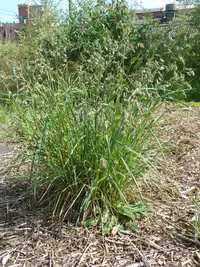
Northern bentgrass (Agrostis mertensii) is a fine-textured, cool-season grass found in cold and subarctic regions, often in tundra, alpine meadows, and coastal areas. It forms low, tufted clumps with slender leaves and delicate flowering stems that move easily in the wind.

This species is adapted to cool summers, short growing seasons, and often poor, acidic soils. It typically grows in open, sunny sites with consistent moisture but not prolonged waterlogging.

Agrostis mertensii is generally hardy and persistent where the climate is suitable, but it can be challenging in hot or very dry locations. Understanding local climate and soil conditions is key to how to care for northern bentgrass.

Main Plant Requirements

Care Difficulty

Moderate Care

Light Preference

Full Sun

Water Requirements

Regular Water

Temperature Preference

Cold Hardy

Hardiness Zone

2–6

Soil Texture

Sandy, Loamy, Silty

Soil pH

Acidic (5.5–6.5), Slightly acidic (6.5–7.0)

Soil Drainage

Moist but well-drained

Fertilization

Minimal (feed rarely)

Get Personalized Care Plan

Scan your plant to receive care tips personalized for your specific plant

Available on iOS and Android

How to Care for the northern bentgrass

Agrostis mertensii prefers cool, bright conditions with moderate direct sun in open, high-latitude sites.

  • Aim for 4–6 hours of direct morning or late-afternoon sun, with light shade or high, thin cloud cover during the strongest midday sun in summer.
  • Tolerates light partial shade, but dense shade reduces tillering and creates weak, elongated shoots that thin the turf or stand.
  • In hot summers, protect northern bentgrass from prolonged harsh afternoon sun to limit leaf scorch and drying of shallow roots.

This cool-season grass prefers consistently moist but not saturated soil, especially on sandy or peaty sites.

  • Allow the top 2–3 cm of soil to begin drying, then water enough to moisten the upper 8–10 cm, avoiding surface puddling or runoff.
  • Increase watering during warm, windy periods when leaf tips curl or turn dull gray-green, clear signs that the turf is drying out.
  • Reduce watering frequency in cool, rainy seasons and watch for yellowing patches, algae, or soft, muddy ground as indicators of overwatering around Agrostis mertensii.

This alpine and subarctic grass is adapted to cool climates and tolerates significant cold.

  • Optimal active growth occurs around 50–68°F (10–20°C), with best density and color in cool spring and autumn conditions.
  • Plants tolerate at least 23°F (−5°C) and usually much lower with snow cover, but repeated freeze–thaw cycles on exposed soil can damage shallow roots.
  • Growth slows sharply above 77°F (25°C); extended periods over 82°F (28°C) increase stress, so combine cooler temperatures with adequate moisture and light shade where possible.

This cool-season grass tolerates a wide humidity range and rarely needs special humidity management.

This alpine grass prefers cool, moist, sharply drained mineral soil with stable structure.

  • Use a sandy or sandy-loam mix with 20–30% fine gravel to mimic its natural, stony habitats.
  • Aim for slightly acidic conditions around pH 5.0–6.5, avoiding strongly alkaline substrates that limit nutrient uptake.
  • Incorporate modest organic matter, such as well-decomposed compost at 10–20%, to improve moisture retention without creating heaviness.
  • Avoid compacted, waterlogged, or heavy clay soil; if drainage is slow, raise the planting area or amend with additional sand and grit.

This species can be grown in containers if its cool, moist yet free-draining root conditions are maintained.

  • Choose a deep, heavy container that resists tipping and buffers rapid temperature swings around the roots.
  • Drill or verify multiple drainage holes and elevate the pot slightly so meltwater and rainwater clear quickly.
  • Use a gritty, sandy mix in outdoor pots to prevent ice-related root damage from prolonged winter saturation in freeze–thaw cycles.

This cool-season grass thrives in lean soils and usually needs only light feeding for healthy growth.

  • Apply a light dressing of compost or a balanced slow-release fertilizer (around 10-10-10) once in early spring for established northern bentgrass.
  • Use about half the label-recommended strength to avoid excessive leaf growth and lodging in windy sites.
  • In poor or sandy soils, repeat a light application in midsummer if growth appears pale or weak.
  • Stop feeding in late summer to early fall so new growth can harden before winter dormancy.

Pruning Agrostis mertensii centers on seasonal trimming to maintain a tidy, upright clump and encourage fresh growth.

  • Cut back old foliage in late winter or very early spring before new shoots emerge, using clean shears.
  • Remove dead, broken, or diseased stems whenever noticed to reduce fungal problems and improve air flow.
  • Thin crowded clumps by removing a few older tufts at the base, which maintains shape and prevents lodging.
  • Avoid cutting into very short stubble; leave 5–8 cm of growth so plants recover quickly.

This grass is more often transplanted in the landscape than repotted, since it is typically grown in the ground or in naturalistic plantings.

  • Transplant in early spring or early fall when temperatures are cool and soil moisture is reliable.
  • Look for signs such as crowded clumps, dieback in the center, or roots circling a container before moving plants.
  • Lift the clump carefully, divide with a sharp spade or knife, and replant divisions at the same depth in prepared soil.
  • Water thoroughly after transplanting and keep soil evenly moist for 2–3 weeks to limit root stress and establish quickly.

Agrostis mertensii is commonly propagated by seed or division to maintain or expand plantings.

  • Sow seeds in early spring or late summer on the soil surface, then press lightly so they have good contact but are not buried deeply.
  • Provide cool conditions, light, and consistently moist (not waterlogged) soil for reliable germination.
  • For division, lift mature clumps in early spring, cutting them into smaller sections each with healthy roots and shoots.
  • Replant divisions promptly, water well, and maintain moderate moisture until new growth indicates successful establishment.

This cool-climate grass is cold hardy and usually requires minimal winter care in most temperate regions.

  • Tolerates frost and snow well once established, with foliage naturally browning in winter and resuming growth in spring.
  • In exposed or very windy sites, apply a thin mulch layer around the root zone to limit heaving from freeze–thaw cycles.
  • Container-grown plants in colder zones can be moved to a sheltered, unheated area to protect roots from extreme freezing.

Care Tips

Snow cover management

In exposed sites, allow a stable snow layer to form and avoid frequent snow removal over the turf, since consistent snow cover insulates plants and reduces winter desiccation and crown injury.

Low-traffic protection

Limit foot and equipment traffic during active growth and after heavy rain by using designated paths or temporary boards, as this grass is easily damaged by compaction and repeated wear.

Surface thatch control

Use light, frequent grooming or shallow verticutting rather than aggressive thatch removal to prevent a thick mat from forming, which helps maintain fine texture and reduces disease pressure.

Targeted overseeding

Fill winter-damaged or thin patches with small, repeated overseeding rather than a single heavy seeding, which encourages an even, dense sward without smothering existing plants when growing northern bentgrass.

Gentle slope placement

Plant on gentle slopes or raised areas where possible so meltwater and rainfall drain away slowly, reducing ice sheet formation that can suffocate crowns during late winter.

Common Pests and Diseases

Pink snow mold

This disease develops under long-lasting snow cover on unfrozen or lightly frozen soil, causing bleached, matted patches in the turf. Symptoms include circular to irregular tan or pinkish areas where shoots are blighted and thin.

Solution

Reduce excessive thatch and maintain moderate nitrogen levels in late summer and fall to avoid overly lush growth going into winter. In areas with consistent snow cover, mow to a moderate height before snowfall, avoid traffic on snow-covered turf, and use labeled fungicides preventively on high-value plantings if pink snow mold has been a recurring issue.

Fusarium patch

This disease appears in cool, wet conditions, creating small, water-soaked spots that turn reddish-brown and may coalesce into irregular dead patches. Symptoms include a thinning sward and soft, rotting leaf bases near the soil surface.

Solution

Improve surface drainage and avoid heavy evening irrigation so foliage dries quickly. Manage nitrogen inputs conservatively in cool, wet periods, increase air movement if possible, and apply an appropriate turf fungicide only when cultural measures are insufficient and disease pressure is historically high.

Leaf spot

This disease causes small, dark purple to brown lesions on leaves that can merge and lead to general blighting of fine shoots. Symptoms include thinning turf and a dull, discolored appearance during humid, mild weather.

Solution

Mow with sharp blades and avoid removing more than 1/3 of the leaf at a time to reduce stress. Water early in the day, limit high nitrogen during susceptible periods, remove heavily infected clippings, and use a labeled foliar fungicide if leaf spot has been severe or persistent despite cultural adjustments.

Cutworms

These insects feed at night on stems and crowns, cutting young shoots at or near the soil surface and creating small bare patches. Symptoms include scattered, irregular thinning spots that may expand quickly under heavy feeding.

Solution

Encourage natural predators by minimizing broad-spectrum insecticide use and keeping surrounding habitat diverse. For persistent damage, monitor at night or with soapy water flushes, then target larvae with a selective turf insecticide or biological control (such as Bacillus thuringiensis products) applied according to label directions.

Webworms

These insects are the larvae of certain moths that feed on blades and crowns, often leaving irregular brown patches and visible silk-lined tunnels in the thatch. Symptoms include patchy thinning and easily pulled plants in dry, sunny exposures.

Solution

Reduce thatch where feasible and encourage vigorous regrowth through balanced fertilization and proper watering. When larval numbers are high, use targeted biological or selective insecticides in the late afternoon or evening, following label instructions, and irrigate lightly afterward to move the product into the feeding zone.

Interesting Facts

High Arctic specialist

This grass is naturally dominant in High Arctic and subarctic tundra, where it forms low, tight tufts adapted to short, cold growing seasons and strong winds.

Snowbed community role

It is a characteristic species of late-melting snowbeds, exploiting the brief pulse of meltwater and nutrients released as snow recedes in summer.

Cold-tolerant reproduction

Its fine, airy flower panicles can develop and set seed reliably at low temperatures, allowing the species to complete its life cycle in harsh polar climates.

Botan icon

Did you know?

This species played an important role as a reference plant in classic Arctic ecology studies that documented how tundra vegetation responds to gradients of snow cover, soil moisture, and growing-season length across polar landscapes.

FAQs about northern bentgrass

This grass spreads by short rhizomes and tillers, forming dense, fine-textured clumps. In cool, moist, open sites it can expand steadily, but it is not usually considered aggressively invasive in managed garden or restoration settings.

Grow Healthy Plants with Botan Care

Keep your plants happy and healthy with plant identification, disease detection, and easy care guidance.

Botan plant care app — identify plants on mobile

Explore More Plants