Cock's-foot Care (Dactylis glomerata)

Also known as: orchard grass, Akaroa, Rough Cocksfoot
Cock's-foot

About Cock's-foot

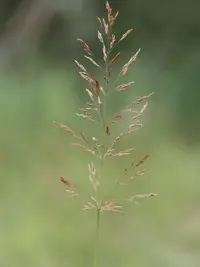
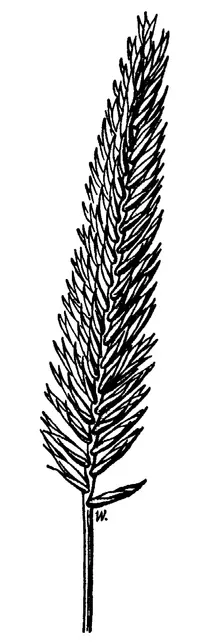
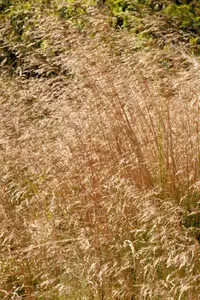
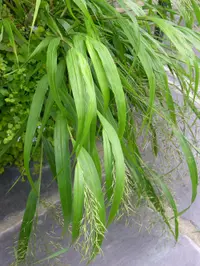
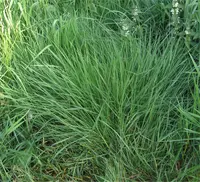
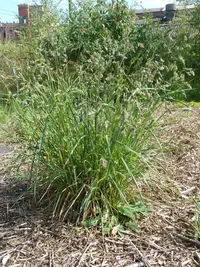
Cock's-foot, Dactylis glomerata, is a perennial bunchgrass commonly used in pastures, hay fields, and conservation plantings. It forms dense clumps with upright, folded leaves and characteristic tufted seed heads.

This grass is native to Europe and parts of Asia but is now widely naturalized in North America and other temperate regions. It tolerates a range of soils and moderate drought, which makes it relatively easy to establish.

For those who care for Cock's-foot in managed landscapes, it generally prefers full sun, consistent moisture during establishment, and well-drained soils. Once established, it is robust but can become competitive toward weaker neighboring plants.

Main Plant Requirements

Care Difficulty

Easy Care

Light Preference

Full Sun

Water Requirements

Moderate Water

Temperature Preference

Cold Hardy

Hardiness Zone

3–8

Soil Texture

Sandy, Loamy, Clay

Soil pH

Acidic (5.5–6.5), Slightly acidic (6.5–7.0)

Soil Drainage

Moist but well-drained

Fertilization

Minimal (feed rarely)

Get Personalized Care Plan

Scan your plant to receive care tips personalized for your specific plant

Available on iOS and Android

How to Care for the Cock's-foot

Dactylis glomerata thrives in full sun but adapts to some shade, especially in warmer regions.

  • Provide 6–8 hours of direct sun daily for strongest growth and dense clumps; east or open south exposures suit pasture and meadow settings.
  • Allow light to moderate partial shade, especially afternoon shade in hotter climates, as Cock's-foot can scorch or thin under intense, dry sun.
  • In summer, monitor for bleaching or crisp leaf tips as a sign of excessive sun stress; in cooler seasons, slightly reduced light usually has minimal impact.

This cool-season grass prefers consistent, moderate soil moisture without becoming waterlogged.

  • Irrigate when the top 3–5 cm of soil feels dry, aiming for moist but not soggy soil, especially during active spring and early summer growth of Dactylis glomerata.
  • Use well-drained loam or sandy loam; standing water or heavy clay that stays saturated promotes root rot and weak, patchy growth.
  • In hot, dry periods, watch for rolling or folding leaves as a sign of drought stress; yellowing bases or soft, rotting crowns suggest overwatering.

This grass is adapted to temperate climates and tolerates a wide range of outdoor temperatures.

  • Optimal growth occurs around 60–75°F (16–24°C), especially in cool, moist spring and early summer conditions.
  • Tolerates winter cold below 14°F (-10°C) once established, though foliage may burn; crowns often survive moderate frost and regrow in spring.
  • Endures short heat spells up to about 90°F (32°C) if soil moisture is maintained; prolonged heat with drought can cause dormancy and thinning.

Humidity is rarely a limiting factor for Dactylis glomerata, which adapts well to typical outdoor air conditions.

  • Performs well at 40–70% relative humidity, common in most temperate outdoor climates.
  • Tolerates drier air but may brown at leaf tips if combined with heat and drought stress.
  • If Cock's-foot shows dry, curling blades, improve soil moisture and reduce hot, drying winds rather than raising humidity.

Dactylis glomerata grows best in moderately fertile, well-structured mineral soil that drains freely but does not dry out too fast.

  • Use a loam or sandy loam with 2–4 in of incorporated compost to supply organic matter and moderate moisture loss.
  • Aim for slightly acidic to neutral pH around 6.0–7.0 to support healthy root growth and nutrient uptake.
  • Improve drainage and aeration on heavier soils by mixing in coarse sand or fine gravel through the top 15–20 cm.
  • Avoid poorly drained, compacted, or waterlogged ground, which promotes root rot and weak, patchy clumps.

This grass can be grown in containers, though it is better suited to open ground for long-term stands.

  • Choose a deep, heavy container that resists tipping as the tufted foliage becomes tall and wind-exposed.
  • Provide numerous or wide drainage holes so water exits quickly and roots are not left in a perched water layer.
  • Use a mineral-based mix, such as garden loam with coarse sand, to keep the root zone firm and prevent the plant from leaning.

This cool-season grass needs only modest feeding, especially when grown in reasonably fertile soil.

  • Apply a light dressing of well-rotted compost in early spring to support strong shoot growth.
  • If growth is weak on poor soils, use a balanced NPK granular or slow-release fertilizer at half label rate in spring.
  • Repeat a light application after the main flush of growth if hay or forage is being cut, avoiding heavy, lush growth.
  • Skip fertilizing Cock's-foot in fall and winter to prevent soft, cold-sensitive tissue and nutrient leaching.

Pruning Dactylis glomerata is mainly about mowing or cutting to manage height and density rather than shaping.

  • Time main cuts for late spring and summer once seed heads or forage growth have formed.
  • Remove dead, damaged, or very coarse stalks with sharp shears or a scythe to keep the stand clean.
  • Adjust cutting height to 7–10 cm to encourage dense regrowth without weakening the root system.
  • Avoid cutting too often or too short, which reduces vigor and can open gaps for weeds.

This grass is usually field-grown, so care focuses on dividing and transplanting clumps rather than frequent pot work.

  • Plan transplanting or division for early spring or early fall when temperatures are mild and soil stays moist.
  • Lift crowded clumps when the center thins or growth slows, then split into smaller sections with healthy roots.
  • Replant divisions at the same depth in loosened, well-drained soil and water thoroughly to settle roots.
  • Shade lightly and keep soil evenly moist for 1–2 weeks after moving plants to limit transplant shock.

Dactylis glomerata is commonly propagated by seed and by division of established clumps.

  • Sow fresh seed in early spring or late summer into firm, fine soil, covering lightly for good seed-to-soil contact.
  • Keep the seedbed evenly moist until germination, then reduce watering as seedlings establish.
  • For division, dig mature clumps in early spring or fall and cut into pieces with several shoots and roots each.
  • Replant divisions promptly, water in well, and control weeds so young plants are not outcompeted.

This cool-season perennial is cold hardy in much of the US and typically requires minimal winter care once established.

  • Dormant foliage tolerates freezing and light snow in the ground; container plants are more exposed.
  • In very cold or exposed sites, apply a thin mulch layer around the crown to moderate soil temperature.
  • Move containers to a sheltered, unheated spot and water sparingly so the root ball does not dry out completely.

Care Tips

Grazing-height management

Maintain the stand at 7–10 cm for grazing by removing or mowing excess top growth regularly, which keeps tillers productive and reduces lodging and stem diseases.

Timely seedhead removal

Mow or cut emerging seedheads early in the season if forage quality is the goal, as this redirects energy into leafy regrowth and reduces the buildup of coarse, unpalatable stems.

Patchy clump control

If the sward becomes clumpy, lightly chain-harrow or drag the area after mowing or grazing to break up dung patches and spread residue, encouraging more even tillering and ground cover.

Winter stand protection

In colder regions, leave a 7–12 cm stubble going into winter and avoid heavy traffic on frozen or waterlogged ground to reduce crown damage and winter kill.

Targeted weed suppression

Time a slightly earlier, lower cut or grazing pass when broadleaf weeds are at a leafy stage but before Cock's-foot is stressed, allowing the grass to outcompete weaker weeds without herbicide use when caring for Cock's-foot.

Common Pests and Diseases

Leaf rust

This disease causes yellow to orange-brown pustules on leaves and sheaths, often leading to early leaf drying and reduced vigor.

Solution

Mow or graze to remove heavily infected foliage, avoid excessive nitrogen, and irrigate in the morning so foliage dries quickly; in forage or seed production fields, use a labeled grass fungicide preventively when rust first appears and rotate or mix grass species to reduce disease pressure.

Powdery mildew

This disease produces white, powdery fungal growth on leaves and stems, which can cause leaf distortion and reduced photosynthesis under humid, shaded conditions.

Solution

Reduce canopy density through appropriate mowing or grazing, improve air movement, avoid overhead irrigation where possible, and use a registered fungicide on high‑value stands if powdery growth expands rapidly and management changes are not sufficient.

Crown rust

Symptoms include bright orange to yellow pustules on leaves and sometimes stems, which may coalesce and cause premature leaf death and yield decline.

Solution

Plant rust-tolerant or diverse grass mixes when establishing stands, remove or manage nearby alternate hosts such as some wild oats where practical, and apply a suitable foliar fungicide in seed or forage production systems when early-season infections are severe and conditions remain moist.

Grass aphids

These insects feed on sap from leaves and stems, causing yellowing, curling, and sticky honeydew that can attract sooty mold and reduce plant vigor.

Solution

Encourage natural predators such as lady beetles, monitor tillers regularly, and if colonies build up heavily on young growth, use a selective, labeled insecticidal soap or soft insecticide and avoid excessive nitrogen that promotes lush, aphid-prone foliage.

Grasshoppers

These insects chew leaves and stems, creating irregular holes and sometimes stripping foliage during dry, hot periods when alternative food is scarce.

Solution

Mow borders to reduce favored egg‑laying sites, encourage birds and beneficial insects, and when defoliation is high in production stands, use a labeled grasshopper bait or targeted insecticide along field edges rather than broadcasting over the entire area.

Interesting Facts

Cool-season forage specialist

This grass is a classic cool-season forage species valued because it starts growth very early in spring and remains productive in mild summer conditions, providing high-quality feed for grazing animals when warm-season grasses are still dormant.

Distinctive clumped growth

It forms dense, tufted clumps with flattened, folded leaves and characteristic one-sided, clustered flower heads, which makes it relatively easy to distinguish from many other pasture grasses in the field.

High shade tolerance

Compared with most pasture grasses, it tolerates moderate shade well and can persist under open woodlands, along hedgerows, and in orchards, which is why it is often included in mixed pasture and conservation seed blends.

Botan icon

Did you know?

Cock's-foot was one of the earliest grasses systematically evaluated in 19th-century European agricultural trials, and its strong performance in those experiments led to its rapid spread as a deliberately sown pasture species across temperate regions worldwide, rather than remaining just a wild meadow grass.

FAQs about Cock's-foot

This grass establishes quickly under cool, moist conditions and is generally regarded as fast-growing. Growth slows in hot, dry weather. With adequate fertility and regular mowing or cutting, it can produce substantial leafy biomass within a single growing season.

Grow Healthy Plants with Botan Care

Keep your plants happy and healthy with plant identification, disease detection, and easy care guidance.

Botan plant care app — identify plants on mobile

Explore More Plants