Velvet bent Care (Agrostis canina)

Also known as: velvet bentgrass, Brown bent, Brown Bentgrass
Velvet bent

About Velvet bent

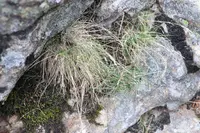
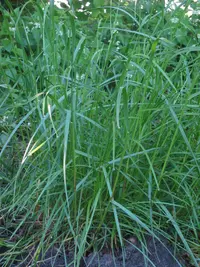
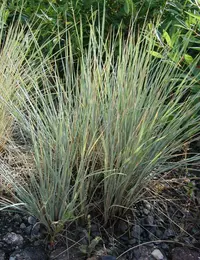
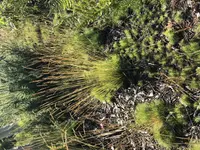
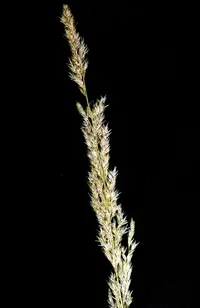
Velvet bent (Agrostis canina) is a fine-textured cool-season grass, best known from closely mown lawns, turf, and golf or bowling greens. It forms a dense, low-growing mat with very slender leaves and delicate flowering stems.

The species is native to Europe and western Asia but is now grown in temperate regions, especially where precise turf quality is important. It prefers cool, moist conditions and fertile, acidic to neutral soils.

This grass responds well to regular maintenance but can be demanding, as it dislikes drought, heat, and compaction. Those who learn how to care for Velvet bent can achieve a very smooth, uniform surface in suitable climates.

Main Plant Requirements

Care Difficulty

Moderate Care

Light Preference

Full Sun

Water Requirements

Regular Water

Temperature Preference

Cool Climate

Hardiness Zone

3–7

Soil Texture

Sandy, Loamy, Peaty

Soil pH

Acidic (5.5–6.5), Slightly acidic (6.5–7.0)

Soil Drainage

Moist but well-drained

Fertilization

Moderate (every 2–4 weeks)

Get Personalized Care Plan

Scan your plant to receive care tips personalized for your specific plant

Available on iOS and Android

How to Care for the Velvet bent

This cool-season grass prefers consistent light without harsh midday extremes for healthy, dense turf.

  • Provide 4–6 hours of direct morning sun with light afternoon shade; full sun all day is suitable only in cool, moist climates.
  • Tolerates partial shade (2–4 hours sun) but growth becomes looser and more open if shade increases, especially under trees.
  • In hot summers, protect Velvet bent from intense afternoon sun to reduce leaf scorch and dry spots, particularly on closely mown turf.

This species needs evenly moist, not saturated, soil to maintain fine, dense foliage.

  • Aim for soil that feels consistently moist in the top 2–5 cm; if it looks dull and footprints remain visible, the turf is starting to dry and needs water.
  • In cool seasons, deeper, less frequent irrigation encourages roots to 10–15 cm; in hotter, windy weather, shorter intervals may be necessary on sandy or sloped sites.
  • Watch for overwatering signs such as spongy ground, algae, or a sour smell; curling leaf tips and bluish-gray color suggest Agrostis canina is underwatered.

This cool-season grass thrives in mild conditions and declines when exposed to prolonged heat or severe cold.

  • Optimal growth occurs around 60–70°F (16–21°C), with good performance from 50–75°F (10–24°C) during spring and fall.
  • Tolerates winter cold near 20°F (-6°C) once established, but repeated freeze-thaw cycles with poor drainage increase crown and root damage risk.
  • Struggles in extended heat above 80–85°F (27–29°C); in hot summers, expect thinning and higher disease pressure, so reduce mowing stress and traffic.

This fine-textured grass prefers moderate ambient humidity but adapts to a wide range in outdoor conditions.

  • Aim for 40–60% humidity, which aligns with most temperate outdoor climates suitable for Velvet bent.
  • Dry air is generally tolerated, but prolonged hot, low-humidity wind exposure can increase leaf tip browning and stress.
  • If turf is grown in a sheltered, unusually dry microclimate, reduce humidity stress by mulching lightly and avoiding heat-reflective hardscape right at the edge.

This species prefers cool, moist, finely textured soil that drains freely yet holds consistent moisture.

  • Use a sandy loam or loam with high fine-sand content and 10–20% well-rotted compost to improve structure and moisture retention.
  • Ensure rapid drainage; standing water or compacted clay causes root decline, thatch buildup, and higher disease risk.
  • Target slightly acidic conditions, around pH 5.5–6.5, as Agrostis canina is sensitive to strongly alkaline soil.
  • Improve aeration by topdressing with sand and compost and avoiding heavy traffic on saturated ground, which compresses pore spaces.

This grass can be grown in containers, mainly for specialized turf or ornamental use.

  • Choose a wide, shallow container to match its fine, shallow root system and to reduce the risk of waterlogged lower layers.
  • Use a free-draining sand-based mix and elevate the pot so drainage holes release water quickly after irrigation or rain.
  • Select a heavier pot material or weight the base to prevent tipping when foliage becomes dense and the surface stays moist.

Agrostis canina benefits from modest, steady nutrition to maintain dense, fine turf without excessive thatch.

  • Use a balanced NPK granular or slow-release lawn fertilizer, or a light topdressing of fine compost, rather than high-nitrogen products.
  • Feed every 6–8 weeks during active growth in spring and early fall, adjusting rates to soil test results where possible.
  • Apply at 1/2–3/4 label strength to reduce scorch risk, especially on closely mown Velvet bent surfaces.
  • Skip or greatly reduce fertilization in winter or summer dormancy, when growth slows and nutrient uptake is low.

Pruning for Agrostis canina is essentially turf maintenance that controls height, density, and health.

  • Time main height reductions for active growth in spring and early fall so the grass recovers quickly.
  • Remove dead, diseased, or badly damaged patches by scarifying or raking out debris to improve air flow and light penetration.
  • Use a sharp mower or specialized turf trimmer set to the desired height to limit tearing of leaf blades.
  • Occasionally thin or lightly dethatch crowded areas to reduce thatch buildup and encourage new, fine shoots.

Agrostis canina is usually grown as turf, so transplanting sod or plugs is more common than container repotting.

  • Transplant in early spring or early fall when temperatures are mild and soil moisture is reliable.
  • Lift and move sod or plugs when roots hold soil together but are not completely pot-bound or circling.
  • Prepare the new site with a fine, firm seedbed, then fit sod or plugs tightly and water thoroughly to settle soil around roots.
  • Keep the area evenly moist for 2–3 weeks, limit heavy traffic, and avoid high fertilizer rates to reduce transplant stress.

Propagation of Agrostis canina is straightforward using either seed or vegetative division for turf establishment and renewal.

  • Sow seed in early fall or early spring on a fine, firm seedbed, pressing seed into the surface rather than covering deeply.
  • Maintain consistent surface moisture and good contact between seed and soil until germination and early establishment.
  • Divide small turf sections or plugs during cool, moist periods, retaining a healthy root mass and some foliage on each piece.
  • Space divisions closely, firm into the soil, and keep traffic low until new roots anchor and lateral shoots begin to fill gaps.

Agrostis canina is cold tolerant in many temperate regions and often needs only basic winter management.

  • In colder climates, allow foliage to harden in late fall by reducing nitrogen inputs and avoiding very low mowing heights.
  • Apply a thin mulch of fine compost or sand topdressing on vulnerable areas to buffer crowns against repeated freeze–thaw.
  • For container-grown turf sections, move pots to a sheltered, unheated area and keep the root zone just slightly moist.

Care Tips

Mowing height control

Maintain a very low, consistent mowing height of 0.5–1 cm using a sharp cylinder (reel) mower, as this species performs best under close cutting and dull blades quickly tear the fine leaves.

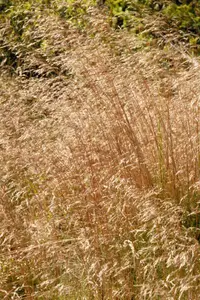
Topdressing for smoothness

Apply a thin 2–3 mm layer of fine sand or sand‑based topdressing several times per year to level minor surface irregularities and protect the crown after close mowing.

Thatch management

Verticut or lightly scarify 1–3 times per year during active growth to remove excess thatch and improve air, water, and nutrient movement into the dense turf canopy.

Disease monitoring routine

Inspect the turf weekly in humid or cool, wet periods for early signs of fungal disease and, if needed, adjust irrigation timing and improve air flow before considering any fungicide use.

Overseeding for density

Overseed thin or damaged patches with fresh seed of the same cultivar in early spring or late summer, keeping the surface evenly moist until new seedlings knit into the existing sward to support long‑term success when growing Velvet bent.

Common Pests and Diseases

Microdochium patch

This disease causes circular, water-soaked patches in cool, wet conditions that turn from orange-brown to light tan, often with a pinkish cast at the margins. Symptoms include slow, matted turf that thins out over winter and early spring.

Solution

Reduce leaf wetness by improving drainage, avoiding evening irrigation, and removing excess thatch. Mow with sharp blades, collect clippings during outbreaks, and use a labeled fungicide for Microdochium patch on closely mown turf if cultural measures are not sufficient.

Dollar spot

This disease produces small, straw-colored spots that can merge into larger irregular patches on fine, closely cut turf. Symptoms include bleached leaf blades with characteristic hourglass-shaped lesions.

Solution

Maintain moderate, even fertility since low nitrogen favors dollar spot, and water deeply but infrequently in the early morning. Improve air movement, reduce thatch, and where pressure is high, rotate fungicides specifically labeled for dollar spot on cool-season turfgrasses.

Anthracnose

This disease leads to yellowing and thinning of fine bentgrass under stress, with dark, necrotic lesions on leaf blades and sometimes black fungal structures near the crown. Symptoms include weakened, patchy turf that declines during heat, drought, or low fertility.

Solution

Reduce plant stress by maintaining balanced nutrition, avoiding very low cutting heights, and preventing drought stress. Improve drainage and airflow, and in persistent cases apply an appropriate anthracnose fungicide as part of an integrated program for Agrostis canina care.

Take-all patch

This disease causes circular to irregular patches of bronzed, then bleached turf that may show blackened roots and stolons in alkaline or recently limed soils. Symptoms include slow recovery and poor rooting of affected plants.

Solution

Lower soil pH gradually toward a slightly acidic range if high, avoid excessive liming, and improve drainage. Topdress with acidic sand or organic matter where appropriate, overseed into damaged areas, and use a fungicide labeled for take-all patch only when cultural changes are not sufficient.

Cutworms

These insects feed at night on leaves and crowns, creating small, irregular bare spots or clipped turf, sometimes with visible frass and burrows on closely mown surfaces. This pest is more active in warm months and can rapidly damage fine bentgrass greens and tees.

Solution

Monitor at dusk or with soapy water flushes, then spot-treat confirmed infestations with a targeted turf insecticide following label directions. Encourage natural predators, collect clippings on highly maintained surfaces, and reduce nighttime lighting that can attract adult moths.

Interesting Facts

Specialist acidic grass

This species is strongly associated with nutrient-poor, acidic soils such as heathlands, moorlands, and wet acidic grasslands, and typically declines or disappears when soils are limed or fertilized heavily.

Fine, velvet-like turf

Its extremely fine leaves and dense, creeping growth once made it a classic choice for very smooth, close-cut turf on golf greens and bowling greens, although it is now less used due to demanding management needs.

Creeping growth strategy

It spreads mainly through slender stolons (above-ground creeping stems) that root at the nodes, allowing it to form tight, low swards that can outcompete coarser grasses under frequent close mowing.

Botan icon

Did you know?

In parts of northern and western Europe, this species is considered a characteristic diagnostic grass of certain protected wet heath and bog-edge habitats, so its presence is often used by botanists to help define and monitor conservation priority plant communities.

FAQs about Velvet bent

This species spreads by fine stolons that knit into a dense, uniform turf. It is not usually invasive in managed lawns but can overtake less vigorous grasses if mowing and nutrient levels favor its growth.

Grow Healthy Plants with Botan Care

Keep your plants happy and healthy with plant identification, disease detection, and easy care guidance.

Botan plant care app — identify plants on mobile

Explore More Plants