spike bentgrass Care (Agrostis exarata)

Also known as: Pacific bentgrass, Spike bent
spike bentgrass

About spike bentgrass

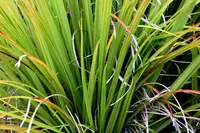
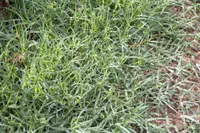
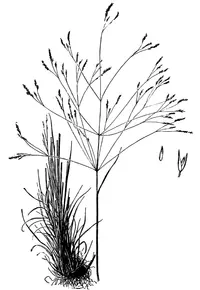
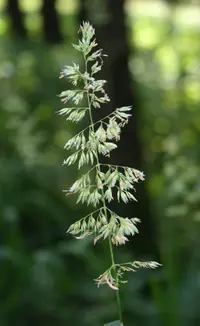
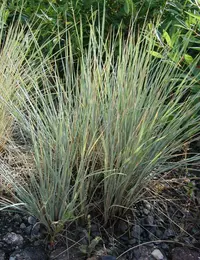
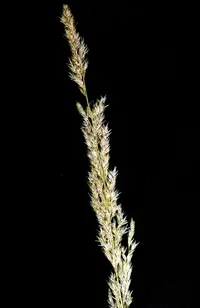
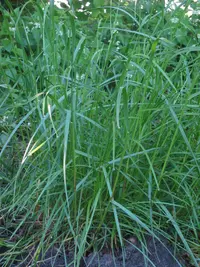
Spike bentgrass (Agrostis exarata) is a cool-season perennial grass native to western North America, commonly found in moist meadows, streambanks, and open woodlands. It forms upright, tufted clumps with narrow leaves and tall flowering spikes that give it a fine, airy texture.

The species adapts well to a range of soils, from sandy to heavier loams, provided drainage is reasonable and moisture is fairly consistent. It tolerates full sun to light shade, which makes it flexible for restoration plantings and naturalistic landscapes.

Due to its adaptability and moderate growth rate, it is considered relatively straightforward to care for spike bentgrass in suitable climates, especially in low-input or wild-style plantings.

Main Plant Requirements

Care Difficulty

Easy Care

Light Preference

Full Sun

Water Requirements

Regular Water

Temperature Preference

Cold Hardy

Hardiness Zone

5–9

Soil Texture

Sandy, Loamy, Silty

Soil pH

Acidic (5.5–6.5), Slightly acidic (6.5–7.0)

Soil Drainage

Moist but well-drained

Fertilization

Minimal (feed rarely)

Get Personalized Care Plan

Scan your plant to receive care tips personalized for your specific plant

Available on iOS and Android

How to Care for the spike bentgrass

Agrostis exarata grows best in bright, open sites that avoid extreme afternoon heat in hot regions.

  • Provide 4–8 hours of direct sun daily, with morning sun preferred and light afternoon shade in areas above 85°F (29°C).
  • Plant spike bentgrass where it receives full sun in cool coastal or northern climates, and very light, shifting shade in hotter inland sites.
  • Watch for weak, floppy growth and pale leaves in too much shade, and scorched or brown leaf tips under intense, all-day summer sun.

Agrostis exarata prefers consistently moist, but not saturated, soil that mimics a natural meadow or streamside habitat.

  • Allow the top 2–4 cm of soil to start drying, then water deeply so moisture reaches the root zone without leaving puddles.
  • Increase watering during hot, dry periods if leaves curl or wilt by midday; reduce frequency in cool, rainy seasons to avoid soggy conditions.
  • Check for overwatering signs such as soft, yellowing foliage and foul-smelling soil, and for underwatering signs like crispy tips and slow growth.

This cool-season grass prefers mild temperatures and tolerates cold better than prolonged heat.

  • Aim for active growth in 55–75°F (13–24°C), which supports strong foliage and root development in most temperate climates.
  • Agrostis exarata tolerates light frosts and can survive short drops near 20°F (−7°C), though foliage may burn and recover from the base.
  • In hot summers above 85–90°F (29–32°C), expect slower growth, possible browning, and consider extra shade and moisture to limit heat stress.

This grass handles a wide humidity range and usually does not need special humidity management outdoors.

  • Performs reliably in 30–70% humidity, matching most temperate outdoor climates.
  • Tolerates short dry-air periods if soil moisture is maintained, so focus on watering rather than misting.
  • Humidity stress shows as leaf tip browning combined with dry soil; improve by watering deeply and mulching rather than trying spike bentgrass indoor care tricks like frequent misting.

This bunch-forming native grass prefers moist, well-aerated mineral soils that do not stay waterlogged.

  • Aim for a loamy or sandy-loam texture with moderate organic matter to balance moisture retention and aeration for Agrostis exarata.
  • Ensure drainage by avoiding compacted clay; amend heavy soil with 30–40% coarse sand plus compost to open structure.
  • Target a slightly acidic to neutral pH around 6.0–7.0, avoiding strongly alkaline or saline conditions that weaken root growth.
  • Avoid constantly soggy sites; in wet areas, use raised beds or shallow swales to keep roots from standing in water.

This species can be grown in containers, mainly for temporary displays, seed increase, or restoration plantings.

  • Choose a wide, stable pot to accommodate clumping roots and spreading foliage so the container does not tip in wind.
  • Use a deep container (at least 25–30 cm) to support fibrous root development and maintain more even moisture between waterings.
  • Select a heavier material like clay or thick-walled plastic outdoors to reduce rapid drying and keep tall foliage from toppling the pot.

Agrostis exarata is a modest feeder, but light nutrition supports denser growth and healthier color in managed plantings.

  • Use a balanced, slow-release fertilizer (for example 10-10-10) or a thin layer of mature compost in early spring.
  • Apply at low to moderate label rates, or use liquid feed diluted to 1/2 strength to avoid excessive, weak growth.
  • Feed every 6–8 weeks during the active growing season if soil is poor; skip or reduce applications on fertile sites.
  • Stop fertilizing in late summer, and do not feed in winter dormancy to prevent tender, frost-prone growth in spike bentgrass.

Pruning needs for Agrostis exarata are low and mainly focused on maintaining a tidy, healthy stand.

  • Best timing is late winter to very early spring, before strong new growth begins.
  • Shear or mow to remove dead, bent, or broken foliage, keeping blades sharp to avoid tearing the leaves.
  • Thin out dense or lodging clumps by cutting small sections to the base, which encourages upright new shoots.
  • Avoid cutting too short; leave 7–10 cm of stubble so the plant can recover quickly and maintain vigor.

This grass is usually grown in the ground, so care focuses more on transplanting clumps than on frequent repotting.

  • Transplant in early spring or early fall, when temperatures are mild and soil moisture is steady.
  • Lift and divide crowded clumps every 3–4 years, especially if centers thin or growth becomes patchy and slow.
  • If grown in containers, repot when roots circle the pot or water drains very quickly, choosing a slightly larger container.
  • Reduce root stress by watering well before and after moving, handling roots gently, and shading transplants for a few days.

Agrostis exarata is commonly propagated by both seed and division for restoration and ornamental use.

  • Sow fresh seed in early fall or early spring on a fine, firm seedbed with good drainage and consistent moisture.
  • Light is helpful for germination, so press seed into the surface rather than burying it deeply.
  • Divide mature clumps in early spring, keeping several shoots and roots per piece to establish quickly.
  • Keep new divisions evenly moist and slightly shaded from strong sun until strong new growth appears.

This cool-season grass is generally cold hardy in its native range and needs minimal winter care once established.

  • In cold regions, leave foliage standing over winter to insulate the crown and provide habitat benefits.
  • Apply a light mulch layer around the base in late fall where freeze–thaw cycles are frequent, keeping mulch off the crown.
  • Container-grown plants in very cold climates can be overwintered in an unheated, bright shelter to protect roots from extreme freezes.

Care Tips

Mow For Density

Use a sharp mower set to 5–8 cm and mow lightly but frequently during active growth to encourage dense tillering and reduce weed invasion when growing spike bentgrass.

Controlled Traffic Use

Rotate foot traffic patterns and concentrate paths or play areas to specific zones so the grass has undisturbed areas where it can recover and maintain full ground cover.

Overseed On Schedule

Topdress lightly with fine compost or sand and overseed thin patches in early spring or early fall to keep the stand young, even, and competitive against weeds.

Targeted Thatch Management

Inspect the thatch layer once or twice a year and use a light rake or power dethatcher only when thatch exceeds about 1 cm to improve air and water movement without tearing up the turf.

Strategic Irrigation Cycling

In larger plantings, water in 2–3 shorter cycles in the same irrigation window to reduce runoff on sloped or compacted soils and help moisture penetrate to the deeper root zone.

Common Pests and Diseases

Leaf rust

This disease causes small yellow to orange-brown pustules on leaves, often leading to thinning and reduced vigor in spike bentgrass stands. Symptoms include premature leaf death in warm, humid conditions or when turf is under stress.

Solution

Reduce leaf wetness by watering early in the day and avoiding frequent light irrigation, and improve air movement by mowing at the recommended height and avoiding excessive thatch buildup. Remove or mow off heavily infected foliage, collect clippings if feasible, and in persistent cases use a labeled turf fungicide rotated by active ingredient to slow resistance development.

Powdery mildew

This disease appears as white to gray, powdery fungal growth on leaf surfaces, especially in shaded, cool, and moist sites. Symptoms include reduced growth and gradual thinning where light and airflow are poor.

Solution

Increase light and airflow by selective pruning of surrounding vegetation, and avoid overhead irrigation in the evening. Mow and remove the most affected foliage where possible, and in severe, recurring cases apply a systemic fungicide labeled for cool-season grasses while also adjusting site conditions for long-term control.

Leaf spot and melting-out

This disease complex produces small, dark leaf spots that can expand and lead to blighted leaf blades and thinning patches in the sward. Symptoms include rapid decline during cool, wet periods followed by warm, stressful weather.

Solution

Maintain moderate nitrogen levels and avoid heavy spring fertilization that promotes lush, susceptible growth, and water deeply but infrequently to limit prolonged leaf wetness. Remove clippings during active outbreaks, improve drainage and airflow, and where needed apply a targeted turf fungicide at the first sign of spotting to protect new leaves.

Aphids

These insects feed on sap from leaf blades and stems, causing yellowing, curling, and reduced vigor, especially in young or stressed spike bentgrass. This pest can also excrete honeydew, which encourages sooty mold growth on foliage.

Solution

Encourage natural predators such as lady beetles by limiting broad-spectrum insecticides, and dislodge small populations with a strong stream of water directed at the foliage. For heavier infestations, use a low-impact insecticidal soap or horticultural oil applied thoroughly to leaf surfaces, repeating as needed according to label directions.

Cutworms

These insects are nocturnal caterpillars that chew off leaves and stems near the soil surface, creating small, irregularly shaped bare spots that can expand over time. Symptoms include wilting patches and clipped plants that pull up easily, often with frass and larvae present in the thatch or upper soil layer.

Solution

Monitor at night or by flushing suspected areas with soapy water to confirm the presence of larvae, then reduce thatch and maintain a healthy, dense turf to make the habitat less favorable. In confirmed, damaging infestations, apply a targeted turf insecticide or a biological control product containing Bacillus thuringiensis (Bt) in the evening when larvae are actively feeding, following label directions carefully as part of broader Agrostis exarata care.

Interesting Facts

Native Pacific grass

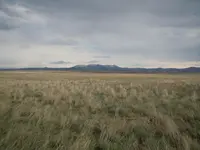
This species is native to western North America, especially common from Alaska south through California, where it occurs in moist meadows, riparian zones, and open woodland edges.

Tolerant of disturbance

It often colonizes disturbed, moist soils such as roadsides, ditches, and logged areas, helping stabilize ground and provide early cover in recovering plant communities.

Important wildlife forage

The foliage and seed heads are eaten by grazing animals and seed-eating birds, making this bunchgrass a functional component of many Pacific coast grassland and riparian food webs.

Botan icon

Did you know?

This grass is a frequent component of native restoration seed mixes in the Pacific Northwest, where its relatively quick establishment and tolerance of moist, heavy soils make it useful for erosion control along streams and wetland margins.

FAQs about spike bentgrass

This species spreads mainly by seed and short rhizomes, forming loose to moderately dense patches. In typical garden or restoration settings it is not strongly aggressive, but in moist, disturbed soil it can self-seed and slowly expand.

Grow Healthy Plants with Botan Care

Keep your plants happy and healthy with plant identification, disease detection, and easy care guidance.

Botan plant care app — identify plants on mobile

Explore More Plants