Mowing height management
Maintain turf at 5–7.5 cm and avoid removing more than one-third of the leaf height in a single mowing to keep the stand dense and reduce weed invasion when growing winter bentgrass.

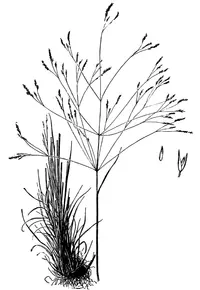
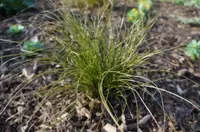
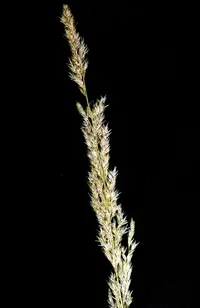
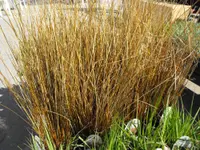
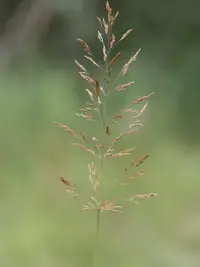
Winter bentgrass (Agrostis hyemalis) is a fine-textured, cool-season grass native to North America. It often forms loose, delicate clumps with airy seed heads. In the wild, it occurs in open woods, meadows, and disturbed ground, where it tolerates cool temperatures and relatively poor soils. Its slim stems and soft foliage give it a light, almost wispy look, especially when flowering. The species grows best in cool climates with consistent moisture and well-drained, moderately fertile soil. These traits make it moderately easy to manage in naturalistic plantings, though maintaining a uniform lawn or ornamental stand can require attentive care for winter bentgrass.

Care Difficulty
Moderate Care

Light Preference
Full Sun

Water Requirements
Regular Water

Temperature Preference
Cold Hardy

Hardiness Zone
3–8

Soil Texture
Sandy, Loamy, Silty

Soil pH
Acidic (5.5–6.5), Slightly acidic (6.5–7.0)

Soil Drainage
Moist but well-drained

Fertilization
Minimal (feed rarely)
Scan your plant to receive care tips personalized for your specific plant
Available on iOS and Android
This cool-season grass prefers consistent sun exposure but tolerates light shade, especially in warmer regions.
This species prefers evenly moist, well-drained soil rather than cycles of drought and saturation.
This cool-season grass thrives in moderate temperatures and tolerates substantial cold once established.
This cool-season grass tolerates a fairly wide humidity range but prefers moderate conditions.
This species prefers light, well-drained mineral soils that stay evenly moist without becoming waterlogged.
This grass can be grown in containers if moisture and stability are carefully managed.
Agrostis hyemalis is a modest feeder that performs well with light, balanced nutrition on most soils.
Agrostis hyemalis benefits from simple, seasonal pruning to maintain a tidy clump and support fresh growth.
This cool-season bunchgrass is more often transplanted in the landscape than kept long term in containers.
Agrostis hyemalis is commonly propagated by seed or by division of established clumps.
This species is cold hardy in much of its native range and usually needs little specific winter care outdoors.

Plant Health Check
Not sure what's wrong with your plant? Check your plant's health inside the app.
This grass typically behaves as a winter annual in much of its range, germinating in cool seasons, growing through winter, then completing its life cycle by early summer.
It commonly appears in open woods and on disturbed forest soils, where its fine roots and rapid early growth help stabilize loose, sandy, or recently exposed substrates.
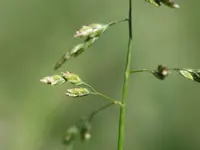
Unlike some related bentgrasses, its small, one-flowered spikelets lack long awns and are essentially hairless, which gives mature inflorescences a smooth, fine-textured appearance under magnification.
This cool-season grass spreads by short stolons and seed but is not usually aggressive in managed garden conditions. In fertile, moist sites it can form loose colonies, so edging or occasional thinning controls its spread.
Keep your plants happy and healthy with plant identification, disease detection, and easy care guidance.