Mulch For Cool Roots
Apply a 3–5 cm layer of fine bark or leaf mold around the base, keeping it 2–3 cm away from the crown, to keep the root zone cool and moist and reduce weed competition without risking crown rot.

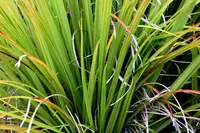
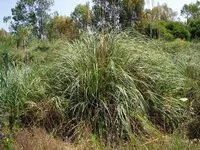
Astelia trinervia, commonly called kauri grass, is an evergreen clumping perennial with stiff, arching leaves that form a bold fountain shape. The foliage often has a silvery or metallic sheen that stands out in mixed plantings.
This species is native to New Zealand, where it typically grows in forested or shaded habitats, often near kauri trees. It is valued in gardens for its strong structure, foliage interest, and ability to handle cooler conditions.
Astelia trinervia prefers consistent moisture, free-draining soil, and protection from harsh, direct sun in hotter climates. These traits make it moderately easy to grow if its shade and moisture needs are met, and understanding how to care for Kauri Grass helps maintain its best appearance.

Care Difficulty
Moderate Care

Light Preference
Partial Shade

Water Requirements
Moderate Water

Temperature Preference
Warm Climate

Hardiness Zone
9–11

Soil Texture
Loamy, Sandy, Organic-rich

Soil pH
Acidic (5.5–6.5), Slightly acidic (6.5–7.0)

Soil Drainage
Moist but well-drained

Fertilization
Minimal (feed rarely)
Scan your plant to receive care tips personalized for your specific plant
Available on iOS and Android
Astelia trinervia prefers bright but softened light to maintain strong, silver-green foliage.
Astelia trinervia prefers evenly moist, well-drained soil rather than extremes of wet or dry.
This species grows best in mild, frost-light climates with stable, moderate temperatures.
This species benefits from moderately moist air but usually adapts to typical home humidity.
Astelia trinervia prefers a loose, well-aerated mix that drains quickly but retains some moisture.
This species is well suited to container growing when the pot is chosen to manage moisture and weight.
Astelia trinervia benefits from light, balanced feeding but does not need heavy fertilization for healthy growth.
Pruning needs for Astelia trinervia are minimal and focus mainly on tidying and maintaining plant health.
This species is usually grown in the ground, so focus on careful transplanting rather than frequent container repotting.
New Astelia trinervia plants are most reliably produced by division of established clumps rather than from seed.
In mild coastal or frost-free climates, Astelia trinervia usually needs only basic winter care.

Plant Health Check
Not sure what's wrong with your plant? Check your plant's health inside the app.
This species is naturally found in damp, shaded broadleaf forests of New Zealand’s North Island, where it often grows on steep banks and among forest understorey plants rather than in open, exposed sites.
Its narrow, arching leaves show a clear three-veined pattern running along the blade, a feature that helps distinguish it from other New Zealand Astelia species with broader or differently veined foliage.
Clumps of this plant form dense root and rhizome networks that help bind leaf litter and shallow soil on slopes, contributing to erosion control and moisture retention in its native forest habitat.
Yellowing leaves usually result from water stress, root rot, nutrient deficiency, or natural aging of older foliage. Check drainage, adjust watering, and apply a balanced slow‑release fertilizer if new leaves also appear pale or weak.
Keep your plants happy and healthy with plant identification, disease detection, and easy care guidance.