northern wildrice Care (Zizania palustris)

Also known as: Wild rice, Indian rice, Tuscarora rice
northern wildrice

About northern wildrice

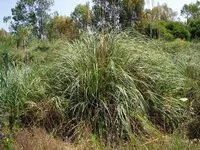
Northern wildrice, Zizania palustris, is an annual aquatic grass native to shallow lakes, slow rivers, and wetlands across the northern United States and Canada. It is grown both as a wild food crop and an ornamental water plant.

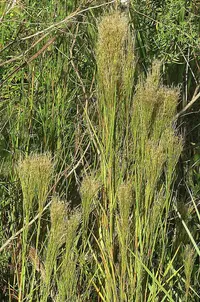
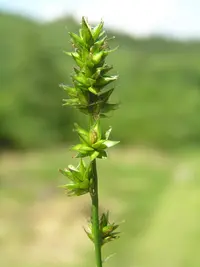
The plant forms tall, upright stems with narrow leaves and airy flower panicles that mature into dark, elongated grains. It typically anchors in mud while most of its foliage and flowers rise well above the water surface.

This species prefers full sun, cool clean water, and soft, silty or muddy substrates. Once established, it can reseed itself, but fluctuating water levels, poor water quality, and competition from other aquatic plants can make how to care for northern wildrice more challenging.


Main Plant Requirements

Care Difficulty

Hard Care

Light Preference

Full Sun

Water Requirements

Aquatic

Temperature Preference

Cool Climate

Hardiness Zone

3–8

Soil Texture

Loamy, Silty, Organic-rich

Soil pH

Acidic (5.5–6.5), Slightly acidic (6.5–7.0)

Soil Drainage

Waterlogged tolerant

Fertilization

Minimal (feed rarely)

Get Personalized Care Plan

Scan your plant to receive care tips personalized for your specific plant

Available on iOS and Android

How to Care for the northern wildrice

This aquatic grass needs long, bright days to produce strong stems and full seed heads.

  • Provide 6–8 hours of direct sun daily; full sun is best in open, shallow water or wet soils.
  • Tolerates light afternoon shade, but northern wildrice grown in less than 4–5 hours of sun produces thinner stems and fewer seeds.
  • In hot regions, ensure at least morning sun with some light afternoon shade to limit leaf scorch and overheating of shallow water in midsummer.

This species is adapted to standing water and cannot tolerate drying out.

  • Grow in shallow water 15–45 cm deep or saturated muck; the crown should stay submerged or at the water surface at all times.
  • Ensure continuous water supply during the growing season; drooping foliage, exposed roots, or cracked mud indicate insufficient water.
  • If water becomes stagnant and foul-smelling, or leaves yellow and soften from the base, reduce depth slightly or improve slow flow to protect Zizania palustris roots.

This cool-season aquatic grass prefers moderate summer temperatures and is sensitive to hard freezes at certain stages.

  • Optimal growth occurs around 65–77°F (18–25°C); seedlings establish best before sustained heat above 82°F (28°C).
  • Mature plants tolerate short dips near 32°F (0°C), but hard frost on young shoots can kill new growth; sow after ice-out once water is consistently above 45–50°F (7–10°C).
  • During heat above 86–90°F (30–32°C), warm, shallow water can stress plants; maintain water depth and some water movement to buffer temperature spikes.

This semi-aquatic grass prefers very high humidity, matching marsh-edge conditions.

  • Aim for 70–90% humidity by situating plants over standing water or in consistently wet basins.
  • Dry air leads to leaf-tip browning, reduced height, and slower tiller formation in northern wildrice.
  • Increase humidity by grouping tubs, using large water trays beneath containers, and minimizing strong, drying wind exposure.

This species grows best in saturated, organic-rich, fine-textured substrates that mimic shallow lake or marsh margins.

  • Use a heavy loam or silty clay soil with 30–50% decomposed organic matter such as composted leaf mold or well-aged manure.
  • Maintain soil that is saturated or shallowly submerged rather than drained; free-draining mixes cause weak growth and lodging (stem collapse).
  • Target a slightly acidic to neutral pH of 6.0–7.0 for stable nutrient availability and healthy root development in Zizania palustris.
  • Avoid sandy, fast-draining, or highly alkaline substrates; if existing soil is light, blend in clay subsoil and additional organic matter to reduce percolation.

This species can be grown in large containers if those containers are managed as mini-ponds rather than standard pots.

  • Choose a deep, heavy tub or stock tank that resists tipping once filled with water-saturated soil and tall stems.
  • Use a container without drainage holes or seal them so water can stand 10–20 cm above the soil surface.
  • Place the container where its weight when water-filled will not damage surfaces and where splashing and overflow are acceptable.

This aquatic native usually needs little feeding when grown in fertile, silty pond or wetland soils.

  • In poor or artificial substrates, apply a balanced 10-10-10 or 14-14-14 slow-release aquatic fertilizer at the start of the growing season.
  • Use low rates; aim for half the label recommendation to limit excess nutrients entering the water.
  • Avoid additional feeding once plants flower, and do not fertilize during dormancy or frozen conditions.
  • When caring for northern wildrice, prioritize improving sediment with organic matter over repeated liquid fertilization.

Pruning Zizania palustris is minimal and focuses on removing dead material and managing stand density.

  • Cut back dead or broken stems at or just above water level in late fall or very early spring.
  • Thin out weak, overcrowded shoots to improve water movement and light penetration in dense plantings.
  • Use clean, sharp shears or a serrated harvest knife to avoid shredding hollow stems.
  • After flowering and seed harvest, remove spent panicles to reduce self-seeding if spread is a concern.

Transplanting is more relevant than repotting, since this species is usually grown in ponds, lakes, or flooded beds.

  • Move plants or plug-grown starts in spring when water temperatures begin to rise and growth resumes.
  • Transplant clumps when stands become overcrowded, growth weakens, or seed harvest declines.
  • Lift plants gently, keeping roots and surrounding sediment intact to limit shock, then replant at the same depth in soft, silty soil.
  • Water containers or flooded beds carefully after moving plants so roots stay submerged but not buried under disturbed sediment.

Propagation of Zizania palustris is usually done from seed rather than vegetative division.

  • Collect mature seed heads in late summer to early fall, then store seeds moist and cool because they lose viability if dried.
  • Sow fresh seeds in fall into shallow, silty substrates under 5–30 cm of standing water, mimicking natural stratification.
  • For spring sowing, cold-stratify seeds at 32–41°F for 2–3 months, then place outdoors as water warms.
  • Keep water clean and gently moving to limit fungal growth and support even germination.

This cool-temperate aquatic annual is cold hardy in its natural range and usually needs little intentional winter care.

  • In outdoor ponds, allow stems to die back naturally; the root zone tolerates freezing water and ice cover.
  • Leave some dead stems standing over winter to trap snow and provide habitat, then remove in early spring.
  • Container-grown plants can be overwintered outdoors in unfrozen, cool water or sunk into deeper sections of a pond.

Care Tips

Flooding schedule

Set up a shallow pond, stock tank, or lined bed that can be slowly flooded to 15–45 cm of standing water just after seedlings establish, then maintain a fairly constant depth through the growing season to support stable growth and easier harvest.

Soft-bottom substrate

Create a 10–20 cm layer of heavy loam or clayey silt under the water so roots can anchor well, and avoid sharp gravel that can damage developing rhizomes and make stands unstable in wind and wave action.

Managed self-seeding

Leave a portion of mature seed heads unharvested and let them shatter naturally into the water in late summer so the stand can reseed itself and reduce the need for replanting each year when caring for northern wildrice.

Water movement control

Use simple barriers like silt fences, boards, or rock edges to reduce strong currents and wave action, which can uproot plants and wash away seed in narrow ponds or along shorelines.

Wildlife and bird netting

Install temporary overhead netting or lines across small cultivation areas about 30–60 cm above the water surface during seed ripening to reduce loss from waterfowl and blackbirds while still allowing air movement and light penetration.

Common Pests and Diseases

Stem-boring larvae

This pest tunnels inside stems and culms, causing wilting, lodging, and empty or partially filled grain heads. Symptoms include weak, yellowing stems that break or collapse before harvest.

Solution

Cut and remove heavily infested stems to reduce larval numbers and destroy them away from the water. Encourage fish and bird predators where possible, avoid dense monocultures, and if needed use a labeled biological larvicide in accordance with local regulations for aquatic systems.

Leaf spot

This disease produces small brown to purplish spots on leaves that can merge into larger lesions, reducing photosynthesis and weakening plants. Symptoms include premature leaf yellowing and reduced grain yield in severe cases.

Solution

Remove and dispose of heavily diseased foliage or spent plants after the growing season to reduce inoculum. Improve water movement and spacing to lower humidity around foliage, avoid overhead irrigation in managed plantings, and select or retain healthier, more tolerant plants for future seed.

Fungal smut

This disease replaces developing grains with dark, powdery spore masses, making seed heads look blackened or sooty. Symptoms include distorted panicles and poor seed set in affected stands.

Solution

Rogue out and destroy infected panicles or plants before spores spread, and avoid saving seed from contaminated stands. Use clean, disease-free seed, rotate planting areas when possible, and maintain good water quality and moderate plant density to reduce smut pressure as part of broader Zizania palustris plant care.

Aphids

These insects cluster on young stems and panicles, sucking sap and excreting sticky honeydew that can attract sooty mold. This pest can weaken plants and reduce grain formation when populations are high.

Solution

Spray infested shoots with a firm stream of water to dislodge aphids and encourage natural enemies such as lady beetles and lacewings. In managed or small-scale plantings, use insecticidal soap or horticultural oil labeled for aquatic or emergent plants, applied in calm weather and kept off open water as required by local regulations.

Interesting Facts

Northern wild rice grain

The grains of this aquatic grass are actually large, elongated caryopses (a type of dry fruit typical of grasses) that mature in late summer and early fall and drop individually into the water rather than ripening all at once on the panicle.

Semi-domesticated native crop

Unlike most cereal crops, it remains only partially domesticated, so cultivated stands often retain traits such as shattering seeds and variable plant height, reflecting its origin as a wild North American wetland species.

Key waterfowl food source

Dense beds provide both cover and high‑energy seeds for migratory ducks such as mallards and teal, and many wetland restoration projects plant this species specifically to support these birds.

Botan icon

Did you know?

For many Anishinaabe and other Indigenous peoples of the Great Lakes region, northern wildrice is a staple food central to cultural identity and ceremony, and traditional harvesting from canoes using knocking sticks is protected and managed through community-based rules rather than intensive agricultural domestication.

FAQs about northern wildrice

This aquatic annual germinates in cool spring water and then grows rapidly in warm conditions, often reaching 1–2 m in a single season. Growth speed depends strongly on water depth, nutrient levels, and temperature.

Grow Healthy Plants with Botan Care

Keep your plants happy and healthy with plant identification, disease detection, and easy care guidance.

Botan plant care app — identify plants on mobile

Explore More Plants