Understory positioning
Plant in light dappled shade beneath high-branching trees or to the east of taller shrubs to mimic its natural woodland edge habitat and prevent leaf scorch in hot summers.

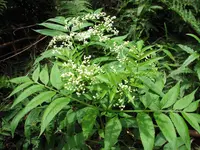
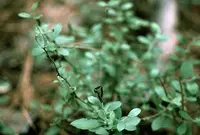
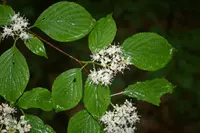
White elderberry, Sambucus gaudichaudiana, is a small deciduous shrub native to moist forests and cool gullies in eastern Australia. It is grown mostly for its clusters of white berries and soft green foliage.
Plants usually form a loose, bushy shape and can spread slowly in suitable conditions. In the garden it suits informal, naturalistic plantings and wildlife-friendly areas.
This species prefers partial shade, consistently moist soil, and protection from very hot, dry conditions. These traits make it relatively easy to care for White Elderberry in temperate, sheltered locations.

Care Difficulty
Moderate Care

Light Preference
Partial Shade

Water Requirements
Regular Water

Temperature Preference
Cool Climate

Hardiness Zone
7–9

Soil Texture
Loamy, Sandy, Organic-rich

Soil pH
Acidic (5.5–6.5), Slightly acidic (6.5–7.0)

Soil Drainage
Moist but well-drained

Fertilization
Minimal (feed rarely)
Scan your plant to receive care tips personalized for your specific plant
Available on iOS and Android
This shrub prefers bright but gentle light rather than intense, all-day sun.
This species prefers consistently moist, never waterlogged soil.
This cool-temperate shrub tolerates a fairly wide range of outdoor temperatures.
This species generally tolerates a wide humidity range without special measures.
This shrub prefers moist, fertile, well-structured soil that stays evenly damp but not waterlogged.
This species can be grown in containers, but only if the pot is large and moisture-retentive enough for its shrub-like growth.
This woodland shrub benefits from modest feeding when grown in garden conditions, especially in poorer soils.
Pruning helps Sambucus gaudichaudiana maintain a healthy structure and good flowering.
This shrub is usually planted in the ground, so focus on careful transplanting rather than frequent repotting.
Sambucus gaudichaudiana is commonly propagated from cuttings and sometimes from seed for larger batches of plants.
This elderberry is moderately cold hardy and usually needs only light winter care in most temperate climates.

Plant Health Check
Not sure what's wrong with your plant? Check your plant's health inside the app.
This species is native to moist forests and cool-temperate rainforests of eastern Australia, where it often grows along shaded creek lines and gullies rather than in open, exposed sites.
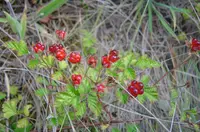
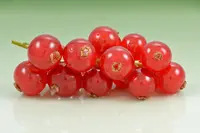
The fruit is produced in drooping clusters and ripens to white to pale translucent berries, which is unusual compared with the more common dark purple or black fruits of many other elder species.
Its berries and soft foliage provide seasonal food for birds and small mammals in its native range, and the plant often acts as a pioneer understorey shrub in naturally regenerating forest edges.
This shrub is highly attractive to many native bees, hoverflies, and small butterflies when in bloom. The flat clusters of small white flowers offer accessible nectar and pollen, supporting local pollinator populations in temperate gardens.
Keep your plants happy and healthy with plant identification, disease detection, and easy care guidance.