Bulbostylis densa Care

Bulbostylis densa

About Bulbostylis densa

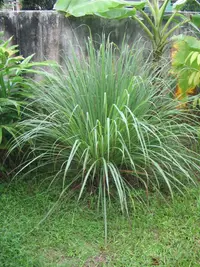
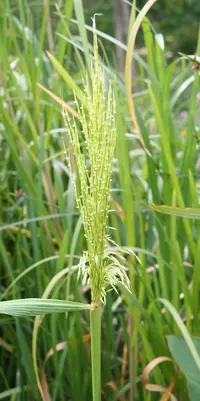
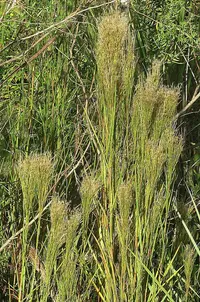
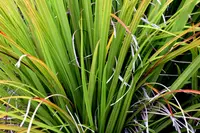
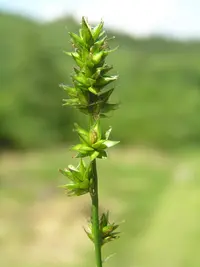
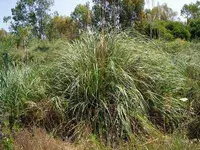
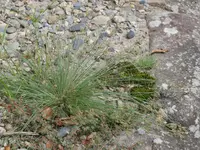
Bulbostylis densa is a small, tuft-forming sedge-like plant, usually found in dry, open habitats such as sandy grasslands, rocky slopes, and scrub. It forms dense clumps of fine, wiry leaves with slender flowering stems that give it a grassy, delicate look.

In the wild it often grows in nutrient-poor, well-drained soils and copes well with heat and periodic drought. These traits make it relatively low-maintenance in cultivation but less suitable for very moist or rich garden beds.

Those who want to care for Bulbostylis densa should provide strong light, good drainage, and avoid prolonged waterlogging or heavy, compacted soils.

Main Plant Requirements

Care Difficulty

Moderate Care

Light Preference

Full Sun

Water Requirements

Moderate Water

Temperature Preference

Warm Climate

Hardiness Zone

Unknown

Soil Texture

Sandy, Rocky

Soil pH

Slightly acidic (6.5–7.0)

Soil Drainage

Well-drained

Fertilization

Minimal (feed rarely)

Get Personalized Care Plan

Scan your plant to receive care tips personalized for your specific plant

Available on iOS and Android

How to Care for the Bulbostylis densa

This small grass-like sedge prefers open, bright sites with strong light exposure for compact growth.

  • Aim for 6–8 hours of direct sun daily, with morning and midday sun ideal; light afternoon shade helps prevent leaf scorch in very hot regions.
  • It tolerates light partial shade for a few hours, but dense shade leads to weak, elongated growth and sparse clumps over time.
  • In summer, protect from reflected heat off walls or pavement; in winter, choose a spot with maximum sun to support healthy regrowth of Bulbostylis densa.

This species prefers evenly moist, sharply drained soil rather than constant saturation.

  • Allow the top 2–3 cm of soil to dry slightly between waterings; use a finger test rather than a fixed schedule to guide timing.
  • Use gritty, fast-draining soil so water runs through quickly; standing water or compacted soil increases risk of root rot and yellowing foliage.
  • In hot, dry weather, watch for rolling or browning leaf tips as a sign it needs more frequent watering, while limp, darkened bases suggest overwatering.

This plant performs best in warm, open conditions and is not reliable in hard frost.

  • Ideal growing temperatures are 65–80°F (18–27°C), which support steady foliage production and dense clump formation.
  • It can tolerate brief drops to about 40°F (4–5°C), but repeated frost or freezing conditions can damage or kill top growth.
  • In hot periods above 90°F (32°C), growth may slow; combine strong light with good airflow and slightly higher soil moisture to limit heat stress on Bulbostylis densa.

This species tolerates low humidity and rarely needs special moisture in the air.

  • Target 30–50% humidity, similar to most heated or air-conditioned homes.
  • Leaves and stems browning at tips or crisping indicate air is extremely dry, often below 25%.
  • If air is very dry, place the pot on a shallow pebble tray with water, keeping the base above the waterline.

Bulbostylis densa prefers open, sandy substrates that drain quickly and never stay waterlogged.

  • Use a mix such as 50–60% coarse sand or fine grit with 40–50% lean potting mix to keep roots aerated.
  • Ensure water drains through in seconds, not minutes, and avoid any medium that feels dense or heavy when wet.
  • Aim for slightly acidic to neutral pH around 6.0–7.0, avoiding limed or strongly alkaline substrates.
  • Improve drainage and structure by adding perlite or fine gravel if your base mix compacts or holds water for many hours.

This species can be grown in containers if the pot stays sharply drained and relatively shallow.

  • Choose a wide, shallow pot to match the fibrous, surface-oriented root system and prevent deep soggy zones.
  • Select unglazed clay if extra evaporation is needed, as it releases moisture faster than plastic or glazed ceramics.
  • Raise the pot slightly on feet or spacers so drainage holes stay clear and water does not pool under the container.

This species is adapted to nutrient-poor sites and usually needs little or no fertilizer in garden or naturalistic plantings.

Bulbostylis densa needs only light, occasional grooming rather than structured pruning.

  • Carry out any tidying in late winter or early spring before strong new growth begins.
  • Use clean scissors or small shears to remove dead, broken, or discolored tufts.
  • Thin out congested clumps by cutting back the oldest, weakest shoots at the base.
  • Avoid hard cutting into green growing points to maintain a natural, tufted shape.

This small sedge-like species is most often grown in the ground, with transplanting kept minimal to reduce disturbance.

  • Transplant in early spring or early fall, when temperatures are mild and soil stays evenly moist.
  • Look for tight, congested clumps or poor vigor as signs that division and re-spacing may help.
  • Lift clumps with a trowel, disturb roots as little as possible, and replant at the same depth.
  • Water gently after transplanting and keep soil slightly moist for 1–2 weeks to limit root stress.

Propagation of Bulbostylis densa is usually done by seed, with division of small clumps as a secondary method.

  • Sow fresh seed in late winter to early spring in a very well-drained, sandy mix.
  • Cover seeds lightly, keep at 65–75°F, and maintain just-moist conditions for germination.
  • Provide bright light and good air movement for seedlings to prevent damping-off disease.
  • For division, split small clumps in early spring, replant immediately, and water sparingly.

In most temperate climates this species is reasonably cold hardy and needs little specific winter care.

  • In areas with severe frost, apply a light, dry mulch around the root zone after the ground cools.
  • Avoid heavy, wet mulches that hold excess moisture and may cause crown rot.
  • Container plants in very cold regions can be moved to a cold, bright, frost-free area.

Care Tips

Seedling density control

When sowing, thin seedlings so that clumps are spaced 5–10 cm apart, which reduces competition for light and nutrients and produces more even, tufted growth.

Managed self‑sowing

Allow a portion of mature seed heads to dry on the plant, then gently shake or crumble them over the desired area to encourage natural reseeding and maintain a continuous, dense stand over several seasons.

Substrate stabilization

Use this species on sandy banks or in rock garden crevices where its fine root system can help bind loose substrate and reduce minor erosion, but avoid compacted heavy clay where roots cannot spread effectively.

Controlled traffic zones

In naturalistic plantings, place stepping stones or clear paths around clumps so that foot traffic does not crush the fine foliage, which is easily damaged and slow to recover when repeatedly trodden.

Minimal thatch removal

Once dry foliage accumulates, lightly rake or comb through the tufts by hand at the end of the growing season to remove dead material without pulling up the shallow root system, which supports long‑term Bulbostylis densa care.

Common Pests and Diseases

Fungal leaf spots

This disease causes small brown to dark olive spots on the fine leaves and stems, sometimes merging into larger patches under humid conditions. Symptoms include thinning clumps and premature browning of foliage.

Solution

Remove and discard affected foliage to reduce inoculum, then improve air circulation and avoid wetting the leaves when watering. If conditions stay humid and spotting continues, apply a light copper- or chlorothalonil-based fungicide labeled for ornamental grasses, following label rates and intervals.

Culm and crown blight

This disease leads to blackened, collapsing stems at the base of the clump, often following prolonged damp or poorly drained conditions. Symptoms include a patchy dieback within tufts while surrounding plants may remain healthy.

Solution

Cut out and dispose of blighted tufts at ground level and reduce irrigation so the soil can dry slightly between waterings. In compacted or heavy soils, increase drainage with sand or grit and avoid dense overcrowding; in high-value collections, a systemic fungicide for crown blights in sedges and rushes can be used as a preventive drench where allowed.

Grass aphids

These insects cluster on young shoots and stem bases, sucking sap and causing pale, weakened foliage and occasional leaf distortion. This pest can also leave sticky honeydew that attracts sooty mold on surrounding surfaces.

Solution

Dislodge colonies with a strong stream of water and remove heavily infested shoots if clumps are small. For recurring problems, introduce or conserve natural predators such as ladybird beetles, or use a targeted insecticidal soap or horticultural oil, ensuring thorough coverage of stems and leaf bases.

Soil-dwelling root-feeding larvae

These insects, including fungus gnat larvae and small crane fly larvae, feed on the fine root system in overly moist media, causing stunted growth and gradual thinning of clumps. Symptoms include poor establishment in pots or trays despite seemingly adequate water and light.

Solution

Allow the upper soil layer to dry slightly between waterings and use a gritty, sharply drained substrate when attempting to grow Bulbostylis densa in containers. Sticky traps help monitor adult populations, while a biological control such as Bacillus thuringiensis israelensis (Bti) or entomopathogenic nematodes can be applied to the soil to reduce larval numbers.

Interesting Facts

Granite outcrop specialist

This species is typically found on thin, sandy soils over granite or quartzite rock outcrops in Mediterranean-type regions, especially in parts of southern Europe and the western Mediterranean basin.

Drought-adapted life cycle

It behaves as a short-lived perennial or sometimes annual sedge whose fine, tufted growth form and small leaves help reduce water loss in the seasonally dry habitats where it grows.

Tiny spikelet structures

The plant produces very small, dense clusters of spikelets whose specialized bracts and scales protect the developing flowers and fruits from desiccation and mechanical damage in open, exposed sites.

FAQs about Bulbostylis densa

This species is generally considered a short‑lived perennial or sometimes a facultative annual, depending on climate. In harsher or drier conditions it may behave more like an annual, regenerating from self‑sown seed each year.

Grow Healthy Plants with Botan Care

Keep your plants happy and healthy with plant identification, disease detection, and easy care guidance.

Botan plant care app — identify plants on mobile

Explore More Plants