crested wheatgrass Care (Agropyron cristatum)

Also known as: Wheatgrass
crested wheatgrass

About crested wheatgrass

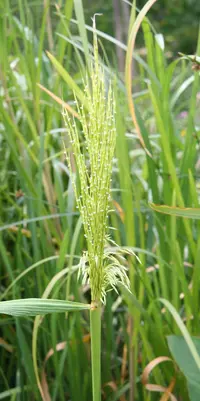
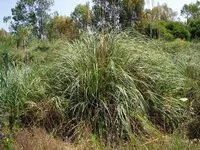
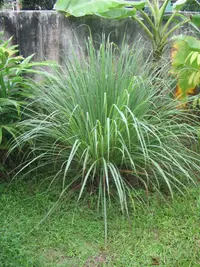
Crested wheatgrass, Agropyron cristatum, is a cool-season perennial grass grown mainly for pasture, soil stabilization, and low-input landscaping. It forms dense clumps with fine leaves and distinctive, comb-like seed heads.

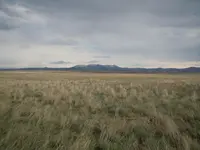
The species is native to the steppes of Eurasia and has been widely introduced to dry, open landscapes in North America. It is valued for its strong drought tolerance, winter hardiness, and ability to establish a stable sod.

These traits make it relatively easy to grow in sunny, well-drained sites with moderate to low moisture and simple soil requirements. Understanding how to care for crested wheatgrass helps maintain healthy stands and limit unwanted spreading into nearby natural areas.

Main Plant Requirements

Care Difficulty

Easy Care

Light Preference

Full Sun

Water Requirements

Low Water

Temperature Preference

Cold Hardy

Hardiness Zone

3–8

Soil Texture

Sandy, Loamy, Rocky

Soil pH

Slightly acidic (6.5–7.0), Slightly alkaline (7.0–7.5)

Soil Drainage

Well-drained

Fertilization

Minimal (feed rarely)

Get Personalized Care Plan

Scan your plant to receive care tips personalized for your specific plant

Available on iOS and Android

How to Care for the crested wheatgrass

This cool-season grass performs best in open, bright conditions typical of prairie or pasture sites.

  • Provide full sun for 6–8 hours daily; crested wheatgrass forms denser clumps and stronger roots in unobstructed light.
  • It tolerates light partial shade (around 3–4 hours of direct sun), but stems may elongate and seed heads become sparser over time.
  • In hot regions, morning sun with light afternoon exposure reduces leaf scorch, while prolonged deep shade leads to thin, weak growth and more weeds.

This species prefers dry to moderately dry conditions and is adapted to low-water landscapes.

  • Allow the top 5–8 cm of soil to dry before watering; in established field plantings, rely mostly on rainfall except during extended drought.
  • Use well-drained, sandy or loamy soil; standing water, heavy clay, or frequent shallow sprinkling increase the risk of root rot in Agropyron cristatum.
  • Signs of underwatering include bluish, curling leaves and slow regrowth, while overwatering causes yellowing, limp foliage and possible crown rot.

This hardy bunchgrass is well adapted to cold climates and wide outdoor temperature swings.

  • Optimal active growth occurs in cool conditions around 60–75°F (16–24°C), especially in spring and early fall when soil moisture is moderate.
  • Plants tolerate winter cold down to about -30°F (-34°C) once established, surviving deep frost and snow cover without protection in most temperate regions.
  • During hot summers above 90°F (32°C), growth slows and leaves may brown at the tips, so reduced traffic and avoiding cutting during extreme heat help recovery.

This grass grows best in relatively dry air, and humidity management is usually unnecessary.

  • Target 30–50% humidity, which matches typical outdoor and indoor air in most temperate regions.
  • It tolerates drier air very well; leaf issues are more likely from overwatering or poor light than from low humidity.
  • If tips brown while soil stays wet, suspect root or salt stress rather than low humidity, and adjust watering and drainage first.

This species prefers mineral, well-drained soil that mimics dry grassland conditions.

  • Use a sandy or sandy-loam mix with low to moderate organic matter, such as 60–70% mineral topsoil plus coarse sand and 10–20% compost.
  • Ensure sharp drainage; water should infiltrate quickly and never leave the surface puddled for more than a few minutes.
  • Aim for slightly alkaline to neutral pH around 7.0–8.0, which supports typical Agropyron cristatum growth in many rangeland-type soils.
  • Avoid heavy clay, peat-heavy mixes, or sites that stay wet, and improve aeration by blending in coarse sand or small grit.

This grass can be grown in containers if the pot and drainage are suited to its deep, fibrous roots.

  • Choose a deep, heavy container to provide enough rooting depth and to prevent tall, tufted clumps from tipping in wind.
  • Drill or confirm multiple wide drainage holes so irrigation water exits within seconds rather than pooling at the base.
  • Use a gritty, fast-draining mix and raise the pot slightly on feet or bricks to keep the drainage holes from clogging against the ground.

Agropyron cristatum is a tough grass that usually grows well in average, unfertilized soils.

  • In poor soils, apply a light top-dressing of compost in early spring to support growth.
  • Use a low-dose, balanced NPK granular or slow-release fertilizer once in spring if plants appear weak or pale.
  • Apply at 1/2 strength of the label rate to avoid lush, floppy growth and lodging.
  • Do not feed in late fall or winter, when growth is naturally slow or dormant.

Pruning Agropyron cristatum is mainly about tidying and maintaining a healthy, upright clump.

  • Cut back flower stalks after seeds mature if self-seeding is not desired.
  • Shear the whole clump to 5–10 cm in late winter or very early spring before new growth emerges.
  • Remove any dead, damaged, or matted foliage with clean shears to improve air flow and appearance.
  • Use sharp hand pruners or grass shears, cutting cleanly without tearing the leaves or crowns.

This grass is usually grown in the ground, so focus on dividing and transplanting mature clumps rather than frequent repotting.

  • Plan transplanting or division in early spring or early fall, when temperatures are mild and soil is workable.
  • Lift and divide clumps every 3–5 years, or when centers thin out and growth becomes sparse or patchy.
  • If grown in a container, repot when roots circle the pot or growth slows, stepping up only 1 pot size.
  • Water thoroughly after moving, then keep soil slightly moist for 1–2 weeks to limit root stress and aid establishment.

Propagation of Agropyron cristatum is straightforward through seed or clump division.

  • Sow seeds in spring or fall in well-drained soil, barely covering them and keeping the surface evenly moist until germination.
  • For division, dig mature clumps in early spring, then separate into smaller sections with healthy roots and several shoots.
  • Replant divisions at the same depth, firm soil around roots, and irrigate to settle them in.
  • Provide full sun and moderate moisture during establishment to support rapid rooting and stable growth.

Crested wheatgrass is very cold hardy and typically needs minimal winter care in the ground.

  • In cold regions, leave dry foliage over winter to insulate crowns and cut back in late winter.
  • Apply a light mulch layer around, not over, crowns in exposed sites to reduce heaving from freeze–thaw cycles.
  • For containers, move pots to a sheltered spot and ensure drainage so roots do not sit in frozen, waterlogged soil.

Care Tips

Grazing Management

Use rotational grazing or periodic cutting to a height of 7–10 cm to encourage dense regrowth and prevent the stand from becoming coarse and unpalatable over time.

Early Weed Suppression

In the establishment year, mow competing annual weeds just above the wheatgrass canopy before they set seed, instead of hand-pulling, to protect shallow new roots and reduce weed pressure.

Seedhead Monitoring

Inspect seedheads as they turn from green to straw-colored and harvest for reseeding when the seeds are firm but not shattering, then dry them in paper bags in a well-ventilated, shaded area.

Patch Reseeding

Overseed thin or winter-damaged patches in early spring using the same cultivar, lightly harrow or rake the soil to ensure seed-to-soil contact, and avoid heavy traffic on the area until seedlings are well anchored.

Soil Surface Protection

Leave a short stubble of 5–8 cm after haying or mowing to protect the crown from heat and desiccation, which supports long-term stand persistence when growing crested wheatgrass in open, windy sites.

Common Pests and Diseases

Wheat stem sawfly

This pest tunnels inside stems, causing weak, hollow culms that lodge or break near the base before or during seed set.

Solution

Cut and remove infested stems after lodging is noticed to reduce overwintering larvae, and mow or harvest stands close to the ground; where pressure is high, maintain dense, vigorous plantings and use crop rotation around crested wheatgrass fields to reduce nearby host cereals that support sawfly populations.

Grasshoppers

These insects chew leaves and young shoots, often leaving ragged edges and thinning foliage, especially in hot, dry summers.

Solution

Encourage predators such as birds by maintaining nearby habitat, and when populations are high use targeted bait formulations labeled for rangeland grasses, applying them along field margins and hot spots while monitoring defoliation regularly.

Barley yellow dwarf virus

This disease causes yellowing or reddening of leaves, stunting, and reduced vigor, particularly in cooler seasons when aphid vectors are active.

Solution

Limit aphid pressure by avoiding heavy nitrogen that encourages lush, susceptible growth, manage nearby cereal hosts, and if grown in an agricultural setting consider aphid monitoring and timely use of selective insecticidal soaps or oils on small plantings to reduce virus spread.

Leaf rust

This disease produces orange to brown powdery pustules on leaves and sheaths, leading to premature leaf drying and reduced forage quality.

Solution

Promote good air movement by avoiding overly dense sowing, remove and destroy heavily infected foliage or residue after the growing season, and where rust recurs frequently consider rotating with non-host species to break the infection cycle.

Powdery mildew

Symptoms include white, powdery fungal growth on leaf surfaces, which can lead to reduced photosynthesis and weakened plants in shaded or humid conditions.

Solution

Improve airflow and light by avoiding overcrowding and reducing shade, irrigate at the soil level rather than overhead, and remove the most heavily infected leaves or thin sections of the stand to lower humidity around the foliage, following general Agropyron cristatum care instructions to keep plants vigorous and more tolerant of infection.

Interesting Facts

Distinct comb-like spikes

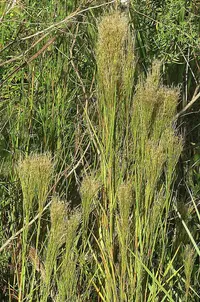
This grass is named for its dense, comb-like seed heads, where short awns (bristle-like extensions) radiate from a flattened central axis, giving the spike a crested appearance that is distinctive even from a distance.

Exceptional drought tolerance

Agropyron cristatum develops a deep, fibrous root system that allows it to persist and produce forage under low rainfall and on poor, sandy or alkaline soils where many other cool-season grasses decline.

Aggressive in North America

Introduced from Eurasia for forage and erosion control, this species can form dense, long-lived stands that outcompete many native prairie grasses and forbs, altering plant community composition and reducing habitat quality for some wildlife.

Botan icon

Did you know?

Agropyron cristatum has been widely used in plant breeding programs as a genetic resource, and it can hybridize with related wheatgrasses, contributing traits such as drought resistance and winter hardiness to improve cultivated forage and cereal crops.

FAQs about crested wheatgrass

This species is non-native in North America and can behave invasively, especially in dry rangelands. It forms dense stands, outcompetes native grasses and forbs, and reduces plant diversity if used without careful monitoring and management.

Grow Healthy Plants with Botan Care

Keep your plants happy and healthy with plant identification, disease detection, and easy care guidance.

Botan plant care app — identify plants on mobile

Explore More Plants