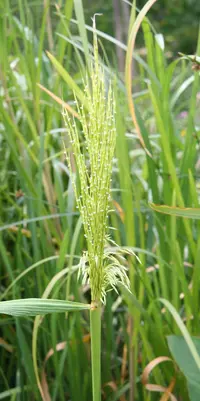
Bermudagrass Care (Cynodon dactylon)

Also known as: Finger Grass, Bermunda Quick Grass, Indian doab, Couch Grass, Quick Grass, Running Grass, Kweek, couch, Bataviesekweek, Coarse Kweek, Common Couch Grass, Common Quickgrass, Doob Grass, Dub Grass, Fince Couch Grass, Finegrass, Fingers, Florida Grass, Indian Couch, Scotch Grass, White Quick Grass
Bermudagrass

About Bermudagrass

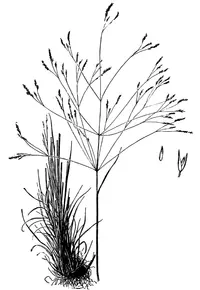
Bermudagrass, Cynodon dactylon, is a warm-season perennial grass commonly used for lawns, sports fields, and pastures. It forms a dense, low-growing turf through runners above and below the soil. Leaves are fine to medium in texture and the grass spreads quickly, which helps it outcompete many weeds. It thrives in full sun and tolerates heat, drought, and heavy foot traffic better than many lawn grasses. This resilience makes it generally easy to establish where the climate is suitable. For those learning how to care for Bermudagrass, it performs best in well-drained soil with moderate, consistent moisture but does not tolerate deep shade.

Main Plant Requirements

Care Difficulty

Easy Care

Light Preference

Full Sun

Water Requirements

Moderate Water

Temperature Preference

Warm Climate

Hardiness Zone

7–10

Soil Texture

Sandy, Loamy, Clay

Soil pH

Acidic (5.5–6.5), Slightly alkaline (7.0–7.5)

Soil Drainage

Well-drained

Fertilization

Light (every 4–6 weeks)

Get Personalized Care Plan

Scan your plant to receive care tips personalized for your specific plant

Available on iOS and Android

How to Care for the Bermudagrass

This warm-season grass needs strong, direct light to maintain dense, green growth.

  • Provide 6–8 hours of full sun daily; Bermudagrass forms a thicker, more competitive turf when it gets unobstructed light.
  • It tolerates light, dappled shade for part of the day, but expect thinning and coarser leaves if sun drops below about 4–5 hours.
  • Prioritize morning sun over harsh late-afternoon exposure in very hot regions to reduce leaf scorching and water stress, especially on slopes.

This species prefers deep, infrequent watering once roots are established.

  • Irrigate when the soil in the top 5–7 cm feels dry and footprints remain visible on the lawn surface, then water enough to moisten 10–15 cm deep.
  • In peak summer, Cynodon dactylon may need watering every 3–7 days depending on soil type, wind, and sun; extend intervals in cooler, rainy periods.
  • Signs of overwatering include moss, algae, soft thatch, and fungal spots, while bluish-gray color, folded leaves, and slow spring-back indicate drought stress.

This warm-season grass thrives in heat but slows dramatically in cool conditions.

  • Optimal growth occurs around 80–95°F (27–35°C); below about 70°F (21°C) shoot growth slows and color may dull slightly.
  • It tolerates high temperatures up to 105°F (40°C) if soil moisture is adequate, but extended heat with drought can cause dormancy and browning.
  • Cynodon dactylon survives brief drops to about 20°F (−6°C), going dormant and turning brown; repeated hard frosts below this can thin the stand over winter.

Humidity is rarely a concern for Cynodon dactylon, which is adapted to open, dry-air sites.

Cynodon dactylon prefers well-aerated, fast-draining mineral soils and tolerates relatively low fertility.

  • Use sandy or sandy-loam soil with at least 50–70% mineral content to keep roots oxygenated.
  • Maintain pH around 6.0–7.5; avoid strongly acidic or saline conditions that limit root growth.
  • Incorporate 10–20% compost or fine bark to improve structure without making the mix heavy or waterlogged.
  • For compacted areas, loosen the top 10–15 cm and mix in coarse sand to enhance drainage and root penetration.

This species can be grown in containers, but performance is usually poorer than in open ground.

  • Choose a wide, shallow container to allow lateral stolon spread rather than focusing on depth.
  • Select a heavier pot material, such as clay or concrete, to resist tipping as the turf thickens and spreads.
  • Use an extra-fast-draining mix and raise the container slightly off the ground so drainage holes never sit in collected runoff.

Cynodon dactylon benefits from light, targeted nutrition during active warm-season growth.

  • Apply a balanced slow-release lawn fertilizer (for example 3-1-2 NPK ratio) at low label rates during late spring and summer.
  • Feed every 6–8 weeks in the growing season, adjusting down if soil is already fertile or clippings are returned.
  • Use half-strength liquid feed only on stressed or container-grown Bermudagrass, and water in thoroughly to avoid salt buildup.
  • Stop feeding 4–6 weeks before expected frost to allow grass to harden off and enter dormancy cleanly.

Pruning Cynodon dactylon is mainly mowing management that directs density and turf quality.

  • Mow during the warm growing season, keeping blades sharp to reduce tissue tearing and disease entry.
  • Remove no more than one-third of leaf height at a time to limit stress and encourage dense lateral spread.
  • Clip off visibly dead or damaged patches, then overseed or plug if needed to restore uniform coverage.
  • Edge along paths and beds with hand shears or a string trimmer to contain stolons and maintain a defined shape.

Transplanting Cynodon dactylon focuses on establishing sod, plugs, or sprigs into new ground with minimal shock.

  • Plan major transplanting for late spring to mid-summer when soil is warm and grass is actively growing.
  • Transplant when existing turf shows thinning, heavy thatch, or when containers have roots circling and growth slows.
  • Prepare the new site by loosening the top 10–15 cm of soil, removing weeds, and leveling for close root-soil contact.
  • Water deeply just before lifting pieces, keep roots shaded and moist during transfer, then irrigate lightly and frequently until rooted.

Cynodon dactylon is commonly multiplied for lawns using vegetative pieces and seed under warm conditions.

  • Sow seed in late spring to summer onto fine, firm soil, keeping the surface evenly moist until germination in 7–21 days.
  • Plant sod, plugs, or sprigs in warm soil, spacing closely enough for runners to close gaps within one season.
  • For small areas, divide healthy sod sections with a spade, replant immediately, and water well to anchor roots.
  • Maintain soil temperatures above 65°F, good light, and moderate nitrogen to support rapid establishment of new plants.

Cynodon dactylon is a warm-season grass that is cold hardy but naturally browns and becomes dormant in winter.

  • In USDA zones 7–10, established turf usually needs no special winter protection beyond normal autumn care.
  • Avoid heavy traffic on frozen or saturated dormant turf to limit crown and root damage.
  • In colder zones or exposed sites, maintain 5–7.5 cm mowing height before winter to insulate crowns slightly.
  • Container-grown plants in very cold regions can be overwintered in an unheated but frost-free garage or shed.

Care Tips

Seasonal Scalping

In early spring before green-up, mow very low (1–1.5 in) and collect clippings to remove dormant thatch and winter debris, which helps the turf warm faster and fill in more uniformly.

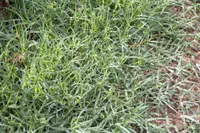
Targeted Overseeding

Use high-quality Bermudagrass seed or sprigs to overseed thin or high-traffic areas in late spring, lightly topdressing with sand or sandy loam so new plants knit quickly into the existing turf.

Traffic Rotation

Rotate play areas, dog runs, and footpaths with temporary barriers or stepping stones so heavily used sections can recover and spread back through stolons and rhizomes.

Soil Compaction Relief

On compacted zones like sports areas or along walkways, perform core aeration and then brush sand into the holes to improve root depth, drainage, and wear tolerance.

Edge Containment

Install a 10–15 cm deep physical edging or maintain a shallow spade-cut trench along beds and pathways to control Bermudagrass runners and simplify caring for Bermudagrass in mixed landscapes.

Common Pests and Diseases

Bermudagrass mite

This pest lives inside leaf sheaths and causes tight rosetting, yellowing, and a tufted, witch’s broom appearance of the turf. Symptoms include very short, stunted leaves and a rough, uneven lawn surface.

Solution

Mow and bag clippings to remove infested growth, then dispose of it off site. Reduce plant stress with proper irrigation and balanced fertilization, overseed thin areas, and in severe cases use a miticide labeled for bermudagrass, applied according to local extension or label guidance.

Bermudagrass stem maggot

This pest is a small fly whose larvae tunnel inside stems, killing the newest leaf and giving the turf a blighted or frosted look at the tips. Symptoms include white or straw-colored top growth while lower parts of the plant remain green.

Solution

Mow more frequently and remove clippings to reduce larval stages in the turf canopy. Improve plant vigor with correct nutrition and irrigation, and in areas with recurring problems use a targeted insecticide timed to adult fly activity as recommended in Bermudagrass care instructions from regional turf specialists.

spring dead spot

This disease causes circular patches of dead bermudagrass that become visible in spring as surrounding turf greens up. Symptoms include well-defined, sunken patches with healthy grass in the centers or around the edges over time.

Solution

Avoid excessive nitrogen in late summer and fall, improve soil drainage, and maintain proper mowing height to reduce stress. Where the disease is chronic, apply a systemic fungicide in fall at the recommended timing, then plug or overseed patches in spring to restore turf cover.

dollar spot

This disease produces small, round, straw-colored spots in the turf that can merge into larger irregular patches under humid conditions. Symptoms include bleached lesions on individual blades with reddish-brown borders.

Solution

Increase mowing height slightly, avoid cutting the lawn when it is wet, and provide light, regular nitrogen to reduce turf stress. Improve air flow and morning drying by reducing shade and thatch, and if needed apply a labeled fungicide in rotation to prevent resistance.

helminthosporium leaf spot

This disease (also called leaf spot and melt-out) causes purple to brown spots on leaves that may expand and lead to thinning turf, especially in warm, humid weather under stress. Symptoms include general lawn thinning and bare areas following foliar spotting.

Solution

Reduce thatch, avoid overwatering, and apply moderate, balanced fertilization to support recovery. During high-risk periods, water early in the day so foliage dries quickly and, if disease pressure stays high, use a systemic fungicide labeled for leaf spot on bermudagrass following all label directions.

Interesting Facts

Warm‑season C4 grass

This species uses C4 photosynthesis, a carbon-fixing pathway that allows high growth rates and good drought and heat tolerance in warm climates compared with many cool-season lawn grasses.

Rhizomes and stolons

It spreads aggressively using both underground rhizomes and above-ground stolons, forming dense turf and allowing rapid recovery from damage but also making it difficult to contain outside intended areas.

High salt tolerance

Cynodon dactylon shows relatively high tolerance to saline soils and recycled irrigation water, which is why it is widely used on sports fields and lawns in coastal and arid regions.

Botan icon

Did you know?

Genetic and historical evidence indicates that Cynodon dactylon likely originated in Africa and later spread with human activity across warm regions of Europe, Asia, and the Americas, becoming one of the most widely distributed turf and pasture grasses in the world.

FAQs about Bermudagrass

This species spreads rapidly by both stolons (above-ground runners) and rhizomes (underground stems). In suitable climates it can quickly fill bare soil, but it also easily invades beds, paths, and neighboring lawns if not contained with edging.

Grow Healthy Plants with Botan Care

Keep your plants happy and healthy with plant identification, disease detection, and easy care guidance.

Botan plant care app — identify plants on mobile

Explore More Plants