Zoysia minima Care

Zoysia minima

About Zoysia minima

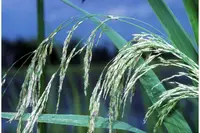
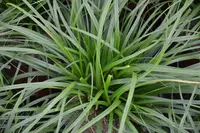
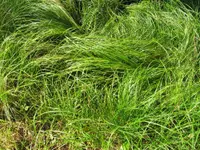
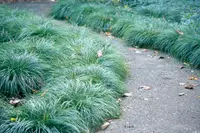
Zoysia minima is a low-growing warm-season grass, often used as a dense groundcover or lawn alternative in mild to warm climates. It forms a fine-textured, carpet-like mat that spreads slowly by short stolons.

This species is native to parts of East Asia and coastal regions, where it experiences sun, warmth, and periodic dryness. It is valued for good heat and drought tolerance once established, but it can be slow to fill in.

Zoysia minima prefers full sun, well-drained soil, and moderate moisture. Its slow growth and compact habit can reduce mowing needs but require patience and careful establishment when you care for Zoysia minima.

Main Plant Requirements

Care Difficulty

Moderate Care

Light Preference

Full Sun

Water Requirements

Moderate Water

Temperature Preference

Warm Climate

Hardiness Zone

6–11

Soil Texture

Sandy, Loamy, Organic-rich

Soil pH

Acidic (5.5–6.5), Slightly acidic (6.5–7.0)

Soil Drainage

Well-drained

Fertilization

Minimal (feed rarely)

Get Personalized Care Plan

Scan your plant to receive care tips personalized for your specific plant

Available on iOS and Android

How to Care for the Zoysia minima

This warm-season groundcover prefers consistent sun exposure for dense, even growth.

  • Provide 6–8 hours of direct sun daily; morning sun with light afternoon shade helps reduce heat stress in hot summers.
  • Zoysia minima tolerates light partial shade (3–4 hours of direct or filtered sun) but may grow thinner and develop less intense color.
  • In very bright, hot climates, protect from intense afternoon sun to avoid leaf scorch, and ensure nearby trees or buildings do not create deep, all-day shade.

This turf forms deep roots and performs best with infrequent, thorough watering rather than light, frequent applications.

  • Allow the top 3–5 cm of soil to dry before watering; apply enough water so moisture reaches 10–15 cm deep, then let the surface dry again.
  • In summer, watch for leaf folding, bluish-gray color, or slow spring-back after walking as signs Zoysia minima needs water; in cooler seasons, irrigation needs drop sharply.
  • Use well-drained soil to prevent soggy conditions; yellowing, thinning patches, or a musty smell can indicate overwatering and potential root or fungal issues.

This warm-season grass thrives in hot summers but slows or goes dormant in cooler conditions.

  • Optimal growth occurs around 75–90°F (24–32°C), with the most active spread during consistently warm months.
  • The turf tolerates brief drops near 50°F (10°C) but growth slows; repeated exposure below 40°F (4°C) causes dormancy and possible leaf browning.
  • It handles heat up to about 100°F (38°C) if soil moisture is adequate, but hard frost or freezes below 32°F (0°C) can damage leaves, which usually recover in warmer weather.

This turf species tolerates typical outdoor humidity but performs best with moderate moisture in the air.

  • Aim for 30–60% ambient humidity; extremes above or below this range rarely matter outdoors if soil moisture is stable.
  • Dry, hot winds can mimic low humidity stress, causing browning leaf tips and edges, especially on shallow-rooted patches.
  • In exposed, arid sites, reduce humidity stress by mulching around the edges and providing occasional fine misting during heat waves.

This grass prefers lean, well-drained mineral soil that does not stay waterlogged after rain or irrigation.

  • Use sandy or sandy-loam soil with 10–20% compost to improve structure without making it heavy or water-retentive.
  • Ensure rapid drainage; if water sits longer than 1 hour after deep watering, incorporate coarse sand or fine gravel into the top 10–15 cm.
  • Keep pH roughly 6.0–7.5; strongly acidic or alkaline soils reduce nutrient availability and weaken turf density.
  • Avoid dense clay, thick peat mixes, or compacted areas; aerate and add coarse material where roots struggle to penetrate.

This species can be grown in shallow containers for groundcover-style displays or turf trials.

  • Choose wide, low pots at least 8–10 cm deep so stolons can spread horizontally without the soil mass drying too fast.
  • Use a gritty, fast-draining mix and elevate the container so drainage holes never sit directly in collected runoff water.
  • In windy or exposed spots, favor heavier materials such as ceramic or concrete to keep the spreading mat from tipping or shifting.

Light feeding supports dense, healthy growth in Zoysia minima without forcing weak, lush blades.

  • Apply a balanced slow-release lawn fertilizer (for example, 10-10-10) at 1/2 label strength at the start of active growth in late spring.
  • Repeat feeding once more in mid-summer in warm climates; skip extra applications on already vigorous turf.
  • Use compost or a thin organic topdressing instead of frequent synthetic fertilizer on established lawns.
  • Stop feeding in late summer to early fall so new growth can harden before cool weather or dormancy.

Pruning for Zoysia minima mainly involves light grooming to maintain an even, healthy groundcover.

  • Best timing is late spring to early summer once growth is fully green and active.
  • Remove dead, discolored, or diseased patches with clean shears, cutting just into healthy turf.
  • Lightly trim or scalp uneven, thatchy spots to encourage fresh, dense regrowth.
  • Use sharp mower blades or a hand trimmer to keep height uniform and reduce tearing of leaf blades.

Transplanting Zoysia minima is more common than repotting, since it is usually grown as groundcover or turf.

  • Plan transplanting for late spring to early summer when soil is warm and plants are actively growing.
  • Move or divide plugs/sods when growth thins, spread declines, or roots form a dense mat against edging or container walls.
  • Cut sections with a sharp spade, keep root pieces 5–8 cm thick, and replant into moist, well-drained soil.
  • Water deeply before and after transplanting, then shade or reduce traffic for 1–2 weeks to limit root stress.

Propagation of Zoysia minima is commonly done from divisions or small sod plugs rather than from seed.

  • Choose late spring to midsummer, when soil temperatures are warm and plants root quickly.
  • Cut turf into small plugs or strips using a sharp spade or knife, keeping roots and some soil attached.
  • Plant divisions into loosened, well-drained soil, spacing 10–20 cm apart to allow lateral spread.
  • Keep soil evenly moist, not waterlogged, for 2–3 weeks until new shoots and firm rooting appear.

Zoysia minima is generally cold tolerant in suitable climates and often needs minimal winter care.

  • In regions with frost, expect foliage to brown and go dormant, then green up again in spring.
  • Apply a light mulch layer around edges or shallow roots in colder zones to buffer temperature swings.
  • For container plantings in marginal climates, move pots to an unheated but frost-free area over winter.

Care Tips

Mowing height control

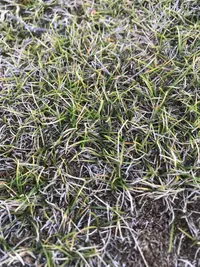
Maintain a mowing height of 1–2 in and avoid removing more than one-third of the leaf blade at a time to keep the mat dense and reduce weed invasion when caring for Zoysia minima.

Traffic management

Rotate foot traffic routes, use stepping stones in high-use areas, and rest compacted zones for a few weeks to allow stolons and roots to recover and fill in gaps.

Targeted thatch reduction

If thatch exceeds about 1.3 cm, lightly verticut or comb the turf in late spring, then collect debris and follow with irrigation to encourage new, healthy shoots.

Edge containment

Install a shallow physical barrier 5–8 cm deep along beds and paths, and trim creeping stolons monthly during the growing season to prevent unwanted spread into nearby areas.

Seasonal weed strategy

Use a pre-emergent herbicide suited to warm-season turf in late winter or very early spring, then hand-pull or spot-treat escaped weeds so the dense mat can close over bare soil.

Common Pests and Diseases

Fall armyworm

This pest feeds aggressively on foliage and stolons, creating ragged patches and thinning in Zoysia turf. Symptoms include chewed leaf blades, visible caterpillars, and rapidly expanding bare areas.

Solution

Monitor turf closely during warm seasons and treat early with a Bacillus thuringiensis (Bt) or spinosad-based product according to label directions. Mow and collect clippings before treatment to reduce hiding places, and encourage birds and beneficial insects by avoiding broad-spectrum chemicals that kill natural predators.

Hunting billbug

This pest causes yellowing, wilting, and eventual dieback in irregular patches as larvae tunnel inside stems and crowns. Symptoms include hollowed stolons that break apart easily and a spongy feel underfoot in damaged spots.

Solution

Inspect damaged turf for hollow stems and billbug larvae, then apply a systemic insecticide labeled for billbugs in late spring when adults are active. Reduce thatch, avoid excessive thatch-building fertilizers, and overseed or plug thin areas once activity is under control to support healthy regrowth.

Zoysia patch

This disease creates circular or irregular orange-brown to straw-colored patches, often with a reddish or bronze margin during cool, wet periods. Symptoms include slow recovery within affected rings and visible mycelium (cottony fungal growth) in very moist conditions.

Solution

Improve drainage and airflow, reduce thatch, and avoid high nitrogen fertilization in cool, wet weather to lower disease pressure. At the first sign of symptoms, apply a fungicide labeled for large patch/zoysia patch and keep mowing equipment clean to limit spread between areas.

Rust

This disease appears as fine yellow to orange powdery pustules on leaf blades, leading to thinning and reduced vigor. Symptoms include leaves that yellow prematurely and leave rust-colored dust on hands or shoes when touched.

Solution

Mow and remove clippings from affected areas to reduce spore load, then improve light penetration and airflow by avoiding excessive turf density and shade. In persistent cases, use a targeted turf fungicide labeled for rust and adjust irrigation to water early in the day so foliage dries quickly.

Leaf spot and blight

This disease causes small purple, brown, or tan lesions on leaves that can merge into larger blighted areas during prolonged humidity. Symptoms include thinning turf, tip dieback, and a generally dull or gray-green appearance in affected patches.

Solution

Reduce evening watering, avoid wetting foliage for long periods, and limit high-nitrogen fertilizer that promotes lush, susceptible growth. Where symptoms are recurring or severe, apply a suitable turf fungicide and dethatch or core-aerate compacted areas to improve air movement around the canopy, supporting more resilient Zoysia minima care instructions.

Interesting Facts

Mat-forming stolon network

This species spreads mainly through fine stolons, which are horizontal stems that root at the nodes and create a tightly knit mat adapted to very low mowing or natural groundcover use in warm climates.

High salt tolerance

Compared with many turf species, this plant shows relatively high tolerance to soil salinity, which is why it is sometimes considered for coastal landscapes and areas exposed to salt spray.

Warm-season growth pattern

As a warm-season grass using C4 photosynthesis, it grows most actively in hot weather and naturally slows or becomes sparse in cooler seasons, especially in regions with cold winters.

FAQs about Zoysia minima

Growth is generally slow to moderate. It forms a dense mat over several seasons rather than weeks. Establishment speed depends on soil preparation, temperature, and moisture, so expect a gradual fill-in rather than instant coverage when following Zoysia minima care instructions.

Grow Healthy Plants with Botan Care

Keep your plants happy and healthy with plant identification, disease detection, and easy care guidance.

Botan plant care app — identify plants on mobile

Explore More Plants