threeway sedge Care (Dulichium arundinaceum)

threeway sedge

About threeway sedge

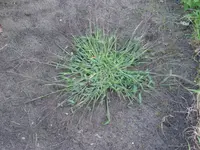
Threeway sedge (Dulichium arundinaceum) is a grass-like, clumping aquatic plant often found along the edges of ponds, lakes, and slow-moving streams. It belongs to wetland habitats and thrives in saturated or shallowly flooded soils.

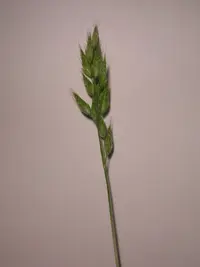
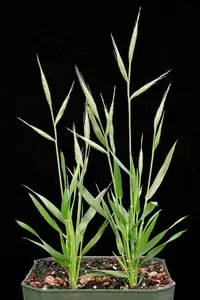
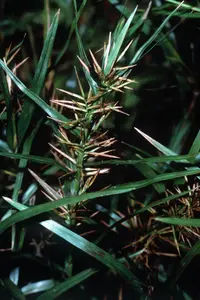
The plant has upright, triangular stems with narrow leaves arranged in three distinct ranks, giving it a neat, architectural look. It typically forms dense stands that provide habitat and erosion control along shorelines.

Dulichium arundinaceum is generally low-maintenance if its constant moisture needs are met. It tolerates full sun to light shade and prefers nutrient-rich, organic soils.

In garden settings, it suits naturalistic ponds, bog gardens, and restoration projects, and understanding how to care for threeway sedge starts with providing reliable, consistent moisture.

Main Plant Requirements

Care Difficulty

Moderate Care

Light Preference

Full Sun

Water Requirements

Aquatic

Temperature Preference

Cold Hardy

Hardiness Zone

3–7

Soil Texture

Sandy, Loamy, Silty

Soil pH

Acidic (5.5–6.5), Slightly acidic (6.5–7.0)

Soil Drainage

Waterlogged tolerant

Fertilization

Minimal (feed rarely)

Get Personalized Care Plan

Scan your plant to receive care tips personalized for your specific plant

Available on iOS and Android

How to Care for the threeway sedge

This wetland species prefers bright, open conditions but tolerates some shade, especially in hotter regions.

  • Provide 4–8 hours of direct sun, with morning sun and light afternoon shade ideal in warm climates to reduce stress on threeway sedge.
  • Allow partial shade (around 3–4 hours of sun) in summer; plants in deeper shade grow thinner, taller, and may lodge or lean.
  • Watch for leaf scorch or bleaching in exposed, all-day sun, and for weak, floppy stems and sparse growth when light is below about 3 hours per day.

This rhizomatous sedge is adapted to consistently wet or even shallowly flooded conditions.

  • Maintain soil that is saturated or very wet; in garden settings, avoid letting the top 2–3 cm fully dry, especially during active growth.
  • Use heavy, moisture-retentive soil near ponds, ditches, or rain gardens so water stands or seeps slowly rather than draining away quickly.
  • Monitor for underwatering when leaves curl, yellow from the tips, or clumps thin, and for poor vigor or root rot when water is stagnant but foul-smelling.

This hardy aquatic sedge tolerates a wide climate range but grows best in cool to warm conditions.

  • Aim for active growth in 60–77°F (16–25°C); plants remain vigorous in typical spring and fall temperatures in temperate regions.
  • Dulichium arundinaceum survives winter cold well below 32°F (0°C) when roots are in the ground or submerged, dying back aboveground and resprouting in spring.
  • Tolerates summer heat up to about 86–90°F (30–32°C) if soil stays saturated; extended heat with drying mud can stress plants and reduce density.

This wetland species prefers consistently high humidity and is not suitable for dry indoor air.

  • Aim for 60–90% humidity, matching the saturated conditions where threeway sedge naturally grows.
  • Crisping leaf tips and slowed growth indicate air that is too dry or inconsistent with its marshy needs.
  • Increase humidity by grouping pots in trays of water with stones, or placing containers at the edge of ponds or water features.

This species prefers permanently moist, organic-rich substrate that mimics marsh or pond-edge conditions.

  • Use a heavy loam mixed with 30–50% compost or peat-free organic matter to create a dense, water-holding soil for Dulichium arundinaceum.
  • Allow very slow drainage only; a consistently saturated or shallowly flooded root zone is ideal, unlike typical houseplant potting mixes.
  • Target slightly acidic to neutral pH around 6.0–7.0, avoiding strongly alkaline substrates that can reduce nutrient availability.
  • Avoid sandy, fast-draining, or rocky mixes that dry out quickly, and do not add coarse perlite or bark that would increase aeration too much.

This species can grow in containers if the setup allows permanently saturated conditions without drying out.

  • Choose a deep, heavy container such as glazed ceramic to stabilize tall, reed-like shoots and reduce tipping in wind.
  • Set the pot inside a larger, watertight outer container or pond basket so water can stand several cm above the soil surface.
  • If drainage holes are present, place the container in a reservoir that keeps the lower third of the pot continuously submerged.

This wetland species usually needs minimal feeding when grown in rich, organic soil.

  • In nutrient-poor or container setups, apply a balanced slow-release fertilizer (around 10-10-10) at half strength in early spring.
  • Optionally supplement with a thin topdressing of compost to support steady growth without excess nutrients entering waterways.
  • Feed at most 1–2 times during the growing season; do not apply fertilizer in fall or winter when growth slows.

Pruning Dulichium arundinaceum is mainly for tidiness and to maintain vigorous new growth.

  • Perform main pruning in late winter or very early spring before new shoots emerge.
  • Cut back dead, winter-burned, or damaged stems to the base with clean, sharp shears.
  • Thin crowded or lodging stems to improve air movement and keep a more upright, controlled clump.
  • Remove spent or broken stems during the season as needed to maintain a neat appearance.

This species is more often transplanted in wetland beds or pond margins than repotted in containers.

  • Plan division or transplanting in early spring as new shoots appear, or in early fall while soil is still warm.
  • Look for tight, congested clumps, slowed growth, or rhizomes pushing beyond the planting area as signs it needs more space.
  • Lift and divide the rhizomes into sections with healthy shoots and roots, then replant at the same depth in saturated, organic soil.
  • Keep the root zone consistently wet after transplanting and shade slightly for 1–2 weeks to reduce stress.

Propagation is commonly done by division, with seed used mainly for restoration or larger projects.

  • Divide mature clumps in early spring, when new shoots are just emerging and conditions are cool and moist.
  • Use a sharp spade or knife to separate rhizome sections, each with several buds and roots, then replant in saturated, organic soil.
  • For seed, sow fresh in fall or after cold stratification, keeping the seedbed constantly moist and in bright, indirect light.
  • Maintain high moisture and limit disturbance around new divisions or seedlings until growth is clearly established.

This cold-hardy wetland sedge usually needs little special winter care in its suitable hardiness range.

  • The rhizomes tolerate typical freezes once established, and top growth naturally dies back.
  • In colder regions or exposed sites, add a 5–7 cm layer of mulch around the root zone after the ground cools.
  • For threeway sedge in containers, move pots into a frost-free but cool, very bright spot and keep the substrate damp, not frozen.

Care Tips

Contain Rhizome Spread

Use a pond basket or root barrier fabric when planting to limit rhizome spread, so the clump stays manageable and does not invade nearby planting zones.

Managed Water Level

In ponds or containers, keep the crown just at or slightly above the water surface and adjust planting depth seasonally so new shoots are not submerged too deeply or left high and dry.

Sediment Top‑Dressing

Top-dress the planting zone once a year with a thin layer of washed sand or fine aquatic soil to stabilize roots, reduce nutrient loss, and maintain a clean, oxygenated root zone.

Winter Clump Clean‑Up

In late winter, cut back and remove dead stems down to just above the crown to reduce overwintering pests and allow new vertical growth to emerge cleanly in spring.

Divide For Vigor

Every 3–4 years, lift and divide the rhizome mass into smaller sections with fresh white roots, then replant promptly to maintain strong growth when growing threeway sedge.

Common Pests and Diseases

Sedge billbug

This pest feeds on stems near the waterline and at the base of shoots, causing yellowing, wilting, and eventual collapse of culms in clumps of threeway sedge. Symptoms include hollow or girdled stems and patchy dieback in planting beds or shoreline stands.

Solution

Remove and destroy heavily damaged stems and any visibly infested plant material to reduce the local population. In managed landscapes or shoreline restorations, monitor emerging growth in spring, encourage natural predators by avoiding broad-spectrum insecticides nearby, and, if needed, use a targeted, labeled insect control product as a soil or stem drench only according to local aquatic-use regulations.

Leaf spot

This disease produces small, water-soaked lesions on leaves that enlarge into brown or tan spots with darker margins, often starting on older foliage in dense or stagnant water conditions. Symptoms include premature yellowing and thinning of the stand, especially in crowded plantings.

Solution

Cut and remove affected foliage to reduce pathogen load and dispose of it away from ponds or wetlands. Improve water circulation where possible, avoid nutrient-rich runoff that encourages disease, and if growing Dulichium arundinaceum in containers, thin crowded clumps and rinse foliage occasionally to remove debris and spores.

Rust

This disease appears as small, orange to brown pustules on leaf surfaces and sheaths, which may cause localized yellowing and reduced vigor. Symptoms include powdery spore masses that rub off on fingers or nearby plants.

Solution

Prune and discard the most heavily infected leaves and thin dense plantings to improve air movement over the water surface. Avoid overhead irrigation in container or bog-garden culture, remove accumulated plant litter where spores can overwinter, and, in high-value plantings, consider a rust-labeled fungicide applied according to local regulations and only when cultural measures are insufficient.

Stem-boring larvae

These insects tunnel inside the upright stems, causing distorted growth, weak culms, and sudden stem breakage at exposed shorelines or in constructed wetlands. Symptoms include frass (sawdust-like material) near feeding sites and stems that bend or snap in wind.

Solution

Cut and remove wilted or broken stems at the base during the growing season to physically remove larvae from the stand. Maintain plant diversity along shorelines to support natural predators such as birds and predatory insects, and avoid unnecessary fertilization that encourages lush, soft growth more prone to boring damage.

Interesting Facts

Unique three-ranked leaves

This sedge has leaves arranged in three distinct rows around the stem, giving it a triangular, almost architectural look that is unusual among wetland graminoids such as sedges and grasses.

Strict wetland specialist

It grows almost exclusively in shallow, still or slow-moving freshwater such as pond margins, lake edges, and quiet stream shallows, and is considered a strong indicator of stable, undisturbed wetland conditions.

Clonal shoreline stabilizer

The plant spreads mainly by creeping rhizomes, forming dense colonies that help bind soft sediments and reduce shoreline erosion in lakes and ponds.

Botan icon

Did you know?

In parts of its range, especially in the northeastern United States, this species is considered rare or locally threatened because it depends on intact, unpolluted wetlands that have been widely lost or altered by shoreline development and water-level regulation.

FAQs about threeway sedge

This species spreads slowly to moderately by rhizomes in consistently wet soil but is not usually aggressive in managed gardens. In ponds or naturalized shorelines, it can form dense clumps that gradually expand over several years.

Grow Healthy Plants with Botan Care

Keep your plants happy and healthy with plant identification, disease detection, and easy care guidance.

Botan plant care app — identify plants on mobile

Explore More Plants