dwarf waterclover Care (Marsilea minuta)

Also known as: Gelid Waterklawer, Small Water Clover
dwarf waterclover

About dwarf waterclover

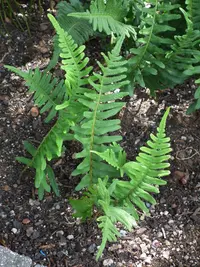
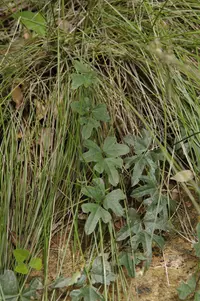
Dwarf waterclover (Marsilea minuta) is a small aquatic or semi-aquatic fern often used as a foreground plant in aquariums, paludariums, and shallow water features. It forms low, clover-like mats with delicate, divided leaves held on thin stems.

In nature it grows in warm, slow-moving or still waters, wet soil, and periodically flooded areas across parts of Asia and other tropical regions. Its compact growth, tolerance of shallow submersion, and ability to spread by creeping rhizomes make it relatively easy to establish when basic needs are met.

Light to moderate light, consistently moist conditions, and nutrient-rich, fine-textured substrate support healthy growth and simplify how to care for dwarf waterclover in most indoor setups.

Main Plant Requirements

Care Difficulty

Moderate Care

Light Preference

Partial Sun

Water Requirements

Aquatic

Temperature Preference

Tropical / Frost Sensitive

Hardiness Zone

10–12

Soil Texture

Loamy, Silty, Organic-rich

Soil pH

Acidic (5.5–6.5), Slightly acidic (6.5–7.0)

Soil Drainage

Waterlogged tolerant

Fertilization

Light (every 4–6 weeks)

Get Personalized Care Plan

Scan your plant to receive care tips personalized for your specific plant

Available on iOS and Android

How to Care for the dwarf waterclover

Marsilea minuta grows best with bright, gentle light that mimics the edges of shallow ponds or wetlands.

  • Provide 3–6 hours of soft light daily, such as morning sun with light afternoon shade, or bright filtered light under taller plants.
  • Plant in a spot that avoids strong midday sun; intense exposure can scorch fronds and dry out shallow rooting zones too quickly for dwarf waterclover.
  • In summer, increase shade if fronds pale or curl; in winter, choose the brightest frost-free position available to maintain compact growth.

This semi-aquatic fern prefers consistently moist to shallowly flooded conditions rather than fluctuating between very wet and very dry.

  • Aim for soil that stays saturated or with 0.5–5 cm of standing water, avoiding strong currents that can expose roots and topple the plant.
  • If grown in very shallow soil, do not let the surface dry and crack; pale, crisping leaflets indicate underwatering, while soft, yellowing fronds can signal stagnant, low-oxygen conditions.
  • In cooler months, reduce water depth slightly and allow gentle movement or partial water changes to prevent rot and keep Marsilea minuta roots healthy.

This species prefers warm, frost-free conditions that resemble tropical or subtropical wetlands.

  • Ideal growth occurs at 70–86°F (21–30°C); foliage is denser and spreads faster within this range when moisture and light are also stable.
  • Plants can tolerate down to about 50°F (10°C), but growth slows; prolonged exposure below 45°F (7°C) can cause dieback, especially in exposed, shallow plantings.
  • It tolerates short heat spikes up to 95°F (35°C) if water is abundant and not stagnant; protect from frost by moving containers or adding insulation in marginal climates.

This aquatic fern prefers very humid conditions and does poorly in dry air.

  • Aim for 70–100% humidity, ideally by growing it submerged or in a very wet margin rather than exposed to room air.
  • Dry indoor air causes curled leaflets, crisp edges, and slow creeping growth along the substrate.
  • Increase humidity by using shallow trays of water around the plant or by growing dwarf waterclover in a covered, vented aquatic setup.

This species thrives in permanently wet, fine-textured substrate that stays saturated without turning anaerobic.

  • Use a soil base of heavy loam with 30–50% clay and added fine sand to anchor rhizomes and resist floating in water.
  • Keep drainage minimal so the substrate remains submerged or waterlogged, but avoid deep, stagnant muck that smells sulfurous.
  • A slightly acidic to neutral pH around 6.0–7.2 supports nutrient uptake and stable growth for Marsilea minuta.
  • Cap the soil with 1–2 cm of rinsed sand or fine gravel to reduce clouding and improve stability while still allowing gas exchange.

This species is well suited to containers, especially shallow aquatic tubs or aquarium foregrounds.

  • Choose wide, shallow containers to maximize horizontal spread of creeping rhizomes rather than focusing on depth.
  • Weight the container base with sand or gravel so it stays stable under water movement or when partially submerged outdoors.
  • Use inert inner pots or baskets inside decorative tubs to localize the substrate and prevent it from dispersing into the surrounding water.

Marsilea minuta benefits from light, consistent nutrition but is sensitive to excess salts, especially in containers or shallow water.

  • During active growth, use a balanced liquid fertilizer (for example 10-10-10) at 1/4–1/2 strength every 4–6 weeks.
  • For submerged or semi-aquatic setups, rely mainly on a nutrient-rich substrate or aquatic plant tabs rather than frequent water-column feeding.
  • Pause or greatly reduce feeding in winter or dormancy, when growth slows and nutrient demand drops.
  • In outdoor plantings, thin compost around the root zone usually provides enough nutrients for caring for dwarf waterclover.

Marsilea minuta needs light, periodic pruning to keep growth dense and prevent overrun in ponds or containers.

  • Best timing is during the main growing season, trimming every few weeks as needed.
  • Use clean scissors to remove yellowed, damaged, or algae-covered fronds at the base.
  • Thin crowded runners to control spread and maintain a tidy mat or defined edge.
  • Prompt removal of old foliage encourages fresh fronds and improves light penetration to younger growth.

This species spreads by creeping rhizomes, so transplanting clumps is more common than traditional repotting.

  • Consider transplanting when rhizomes overcrowd the container, water circulation is reduced, or growth becomes weak in the center.
  • Best timing is in spring or early summer, when Marsilea minuta resumes strong growth and recovers fastest.
  • Typical intervals are every 1–2 years in containers, lifting and dividing mats into smaller sections.
  • Gently loosen roots, keep rhizomes moist during the move, then replant at the same depth and shade them slightly for a few days to limit stress.

Marsilea minuta is most commonly multiplied by division of its creeping rhizomes rather than by seed.

  • Carry out division in spring or early summer, when plants are actively growing and water temperatures are mild.
  • Lift a section of the mat and cut it into small clumps, each with several fronds and healthy rhizome segments.
  • Replant divisions shallowly in fine substrate or mud, pressing gently so rhizomes stay in contact with the soil.
  • Maintain stable shallow water, good light, and low water movement to support quick establishment of new clumps.

In mild climates, Marsilea minuta usually survives winter with minimal intervention, but colder regions require extra attention for container plants.

  • This species is frost-sensitive; fronds may die back after freezing nights, though roots can survive short light frosts.
  • In the ground, a thin mulch over damp soil helps buffer root temperatures in exposed spots.
  • Move containers indoors to a bright, cool, frost-free place or sink them deeper in a pond where water does not freeze solid.

Care Tips

Controlled Spread Management

Contain the plant by using shallow trays or edging strips in ponds and paludariums, trimming back creeping rhizomes every few weeks to prevent it from overtaking slower species.


Substrate Depth Zoning

Create a gentle slope in the aquatic substrate from 1–2 cm at the front to 3–4 cm at the back so the plant can root shallowly in the foreground and form a denser mat in deeper zones.

Emersed Transition Strategy

When converting between submerged and emersed growth, change water level in small steps over 7–10 days and adjust light intensity gradually to minimize leaf melt and stress.

Nutrient Patch Placement

Insert small, balanced aquatic fertilizer tabs a few centimeters away from the rhizomes rather than directly under them to encourage horizontal spreading without burning tender roots.

Regular Thinning Propagation

Lift and divide dense mats into small plugs every 4–6 weeks and replant them with slight gaps between clumps to maintain good water circulation, reduce algae buildup, and easily grow Marsilea minuta in new areas.

Common Pests and Diseases

Aquatic snails

This pest often feeds on young leaflets and tender stems, leaving irregular holes or completely eaten leaves. Symptoms include missing fronds, ragged margins, and visible snails on hardscape or substrate, especially at night.

Solution

Manually remove visible snails, egg clusters, and heavily damaged leaves, and reduce overfeeding of fish or livestock that encourages snail population growth. For persistent problems, use species-safe snail traps or introduce natural predators such as certain loaches in larger aquaria, or apply a targeted snail treatment labeled safe for aquatic plants while performing partial water changes as directed.

Aquatic leaf miners

These insects create pale, winding tunnels inside the leaflets, which can cause distortion and reduced vigor in dense plantings. Symptoms include discolored serpentine trails and thin, almost transparent patches within the leaf tissue.

Solution

Trim and discard affected fronds to remove larvae from the system, and avoid letting plant debris accumulate in the tank or pond. In outdoor setups, encourage natural predators like predatory beetles or parasitic wasps, while in indoor aquaria use fine mechanical filtration and regular siphoning of detritus to reduce emerging adults.

Algal overgrowth

This condition occurs when algae colonize the fronds and stems, smothering the plant and blocking light from the small leaflets. Symptoms include green, brown, or filamentous coatings that cause stunting, yellowing, and eventual dieback of the clover foliage.

Solution

Improve light balance and nutrient control by reducing excess lighting duration to about 8–10 hours, cutting back on fertilizers or feeding, and increasing partial water changes. Gently remove algae from leaves with a soft brush or gloved fingers, add fast-growing competing plants or algae-eating fish or shrimp when appropriate, and ensure good water circulation so surfaces do not accumulate stagnant film.

Bacterial leaf blight

This disease causes water-soaked, translucent spots on the leaflets that may expand into brown, necrotic patches along the margins. Symptoms include rapid collapse of affected fronds, especially in warm, nutrient-rich, low-flow water.

Solution

Promptly remove and dispose of all affected fronds and decaying material, and increase gentle water movement and filtration to lower bacterial load. Avoid overcrowding, reduce organic waste and overfertilization, and consider a short course of an aquarium-safe antibacterial treatment if losses continue despite improved hygiene.

Fungal crown rot

This disease starts at the rhizome or crown at the substrate level, where tissue becomes soft, brown, and mushy, leading to yellowing and detachment of the clover fronds. Symptoms include easy pull-out of plants from the substrate and foul-smelling, decomposing bases.

Solution

Uproot and discard all affected plants and any obviously decayed roots or rhizomes, then gently stir or replace compacted, foul substrate to restore oxygenation. Reduce organic buildup with more frequent gravel vacuuming and water changes, avoid burying the crown too deeply, and replant only firm, healthy sections to support stable growing dwarf waterclover conditions.

Interesting Facts

Semi-aquatic life cycle

This species can grow both rooted in shallow water and on moist mud, shifting between submerged and emersed leaf forms depending on seasonal flooding and drying in its native habitats.

Clover-like fern

Although its leaves look like a four-leaf clover, it is actually a fern, reproducing via spores produced in specialized structures called sporocarps rather than through flowers and seeds.

Salt-tolerant occurrence

Natural populations are sometimes found in slightly brackish wetlands and coastal rice fields, showing higher salt tolerance than many other small aquatic ferns.

Botan icon

Did you know?

Marsilea minuta is one of the most widespread Marsilea species across tropical and subtropical Asia, often becoming a characteristic component of traditional rice paddy agroecosystems where its floating and creeping growth helps stabilize soft, waterlogged soils.

FAQs about dwarf waterclover

This species spreads by creeping rhizomes and can form dense mats in shallow water or wet soil. In small ponds or containers, regular thinning and physical barriers help prevent it from overtaking other low plants.

Grow Healthy Plants with Botan Care

Keep your plants happy and healthy with plant identification, disease detection, and easy care guidance.

Botan plant care app — identify plants on mobile

Explore More Plants