Diplazium lineolatum Care

Alex Yar, Botan author
Reviewed byAlex Yar
Plant Expert

About Diplazium lineolatum

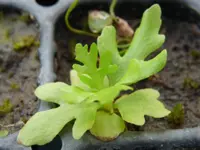
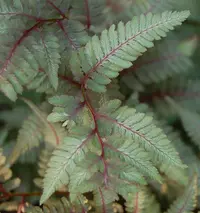
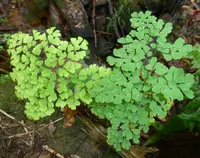
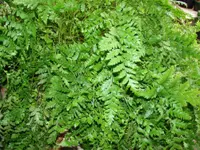
Diplazium lineolatum is a terrestrial fern known for its finely divided fronds and graceful, arching habit. It typically forms loose clumps that slowly expand over time. Native to moist, shaded forests in parts of Asia, it favors cool, humid environments with consistent moisture and good air circulation. The fronds are usually medium to deep green, giving it a soft, layered look that suits woodland-style plantings. It is considered moderately easy to grow if its need for shade and steady moisture is respected. Gardeners who want to care for Diplazium lineolatum should provide rich, humus-based soil that stays damp but not waterlogged.

Main Plant Requirements

Care Difficulty

Moderate Care

Light Preference

Partial Shade

Water Requirements

Keep Soil Moist

Temperature Preference

Tropical / Frost Sensitive

Hardiness Zone

10–12

Soil Texture

Loamy, Peaty, Organic-rich

Soil pH

Acidic (5.5–6.5)

Soil Drainage

Moist but well-drained

Fertilization

Light (every 4–6 weeks)

Get Personalized Care Plan

Scan your plant to receive care tips personalized for your specific plant

Available on iOS and Android

How to Care for the Diplazium lineolatum

This fern prefers soft, filtered light similar to a shady forest understory.

  • Provide bright shade or dappled light, such as 1–3 hours of weak morning sun and the rest of the day in filtered light under taller plants or trees.
  • Avoid direct midday and afternoon sun, which can scorch fronds, cause pale patches, and dry the soil too quickly, especially in summer.
  • In hotter months, increase shade or use shade cloth; in cooler seasons, allow more open shade so Diplazium lineolatum still receives 4–6 hours of indirect light.

Watering should keep the root zone consistently moist but never waterlogged.

  • Water when the top 2–3 cm of soil feels slightly dry, aiming for evenly moist soil from spring to fall without allowing it to dry out completely.
  • Use humus-rich, well-drained soil; prolonged puddling, sour smell, blackened bases, or collapsing fronds indicate overwatering and poor aeration.
  • In cooler months reduce frequency so soil is just lightly moist; crisp frond tips and wilting in damp soil suggest root problems, while soft drooping with dry soil signals underwatering in Diplazium lineolatum.

This species favors mild, frost-free conditions with stable, moderate temperatures.

  • Aim for 60–80°F (16–27°C) for active growth; it performs best toward the middle of this range with consistent moisture and shelter from strong drying winds.
  • Protect from temperatures below 45°F (7°C); light, brief dips may be tolerated, but hard frost can damage or kill fronds and crowns.
  • In hot periods above 85°F (29°C), increase shade and humidity and ensure soil does not dry out, as high heat combined with low moisture stresses the plant.

This fern needs consistently moist air to maintain healthy fronds.

  • Aim for 60–80% humidity; growth slows and fronds crisp at prolonged levels below 50%.
  • Dry air causes browning tips, curled pinnae, and stalled new fronds, especially near heating or AC vents.
  • Increase humidity using a nearby humidifier, grouped plants, or a wide pebble tray that allows evaporation around the foliage.

Diplazium lineolatum prefers an airy, organic-rich substrate that stays evenly moist but never stagnant.

  • Use a loose mix such as 2 parts peat or coco coir, 1 part fine bark, and 1 part perlite to combine moisture retention with aeration.
  • Aim for slightly acidic conditions, around pH 5.5–6.5, which support nutrient uptake and discourage some root pathogens.
  • Ensure water drains freely; water should pass through in seconds, with no standing water left in the saucer or outer cachepot.
  • Avoid heavy garden soil, high-clay mixes, or compacted substrates that stay waterlogged and limit root oxygen.

This species is well suited to container culture when moisture and stability are managed carefully.

  • Choose a pot that is wider than it is deep to accommodate the slowly spreading root system and maintain even moisture distribution.
  • Select a relatively heavy container material, such as ceramic, to keep the fern stable as fronds extend outward and catch air movement.
  • Use a nursery pot with side and bottom drainage holes nested in a cover pot, so excess water can drain rapidly while humidity remains slightly elevated around the plant.

This fern benefits from light, consistent nutrition rather than heavy feeding.

  • Use a balanced liquid fertilizer (around 10-10-10) at 1/4–1/2 strength for Diplazium lineolatum during active growth.
  • Apply every 4–6 weeks in spring and summer when fronds are forming.
  • Pause or reduce feeding to once in mid-winter only if growth continues indoors under warm, bright conditions.
  • Alternatively, top-dress with a thin layer of fine compost in spring for a slow, gentle nutrient supply.

Pruning focuses on hygiene and maintaining a neat, healthy fern crown.

  • Inspect in late winter or early spring and after any stress period.
  • Remove dead, yellowing, or damaged fronds at the base using clean, sharp scissors or snips.
  • Thin out overcrowded inner fronds to improve air flow and reduce fungal issues.
  • Avoid heavy cutting into the crown, as this can slow new frond production and distort the plant’s form.

Repotting or transplanting is only needed when the root system clearly outgrows its space.

  • Check for roots circling the pot, pushing out drainage holes, or slowed growth despite good care.
  • Plan moves for early spring, just before strong new frond growth, and generally every 2–3 years for container plants.
  • Choose a slightly larger pot with moisture-retentive, humus-rich mix and transplant at the same depth as before.
  • Water thoroughly after shifting and keep in shaded, draft-free conditions for 1–2 weeks to limit root stress.

Propagation is usually done by division rather than from spores for predictable results.

  • Divide mature clumps in early spring when new croziers are just emerging.
  • Lift the plant, gently tease apart the rhizome into sections, each with several healthy fronds and buds.
  • Plant divisions into moist, humus-rich, well-drained medium and firm gently around the roots.
  • Maintain high humidity, stable warmth, and even moisture until strong new fronds confirm establishment.

This fern has limited frost tolerance and benefits from moderate winter protection in colder regions.

  • In mild climates, a 3–5 cm layer of leaf mulch around the root zone helps buffer temperature swings.
  • In regions with hard frost, grow in containers and move indoors to a cool, bright, frost-free space.
  • Keep soil slightly moist but never waterlogged, as cold, saturated media increase root rot risk.

Care Tips

Cool root zone

Place the pot inside a slightly larger cachepot with damp sphagnum moss around the nursery pot to keep the root zone cooler and more stable, which supports steady frond production in warm indoor conditions.


Frond spacing check

Rotate the plant weekly and watch the spacing between new fronds; if fronds emerge crowded and distorted, thin out the weakest new croziers with clean scissors to maintain good air flow through the crown and reduce fungal risk.

Moisture-retentive mulch

Top-dress the substrate with a 1–2 cm layer of fine orchid bark or partially decomposed leaf mold to keep the rhizome evenly moist while still allowing gas exchange at the soil surface.

Gentle root division

When the clump becomes congested, divide the plant only during active growth, splitting the rhizome into sections with at least 3–4 healthy fronds each and potting divisions tightly so roots make quick contact with the new medium, which is key for successful growing Diplazium lineolatum.

Preventive fungal hygiene

Remove shed fronds promptly, avoid letting water sit trapped in old frond bases, and periodically wipe the inside of the pot rim so spores and decaying tissue do not accumulate in the crown area where rot can start easily.

Common Pests and Diseases

Scale insects

These insects feed on the frond midribs and undersides, causing yellow spotting, weakened fronds, and sticky honeydew that can lead to sooty mold growth.

Solution

Remove heavily infested fronds, then wipe remaining colonies from the frond undersides with a cotton pad dipped in diluted alcohol or insecticidal soap, repeating weekly until new growth is clean. Improve airflow and avoid excess nitrogen fertilizer, which encourages soft, scale-prone growth when growing Diplazium lineolatum in containers or shaded beds.

Fern aphids

These insects cluster on young frond tips and fiddleheads, sucking sap and causing distortion, puckering, and slow expansion of new fronds.

Solution

Rinse colonies off with a firm stream of water, then treat tender growth with insecticidal soap or a horticultural oil labeled for ferns, applied in the cool part of the day. Reduce high-nitrogen feeding that stimulates very soft, aphid-attractive growth and remove nearby heavily infested host weeds.

Rhizoctonia leaf blight

This disease causes irregular brown lesions starting at frond bases or areas that stay wet, sometimes leading to collapse of entire fronds in dense clumps.

Solution

Cut out and discard affected fronds at the base, then thin crowded crowns to increase air movement and allow fronds to dry more quickly. Water at soil level in the morning, keep debris off the crown, and if the problem recurs, apply a fern-safe fungicide containing chlorothalonil or a similar active ingredient according to label directions.

Bacterial leaf spot

Symptoms include small, water-soaked translucent spots that turn dark brown to black, often with a yellowish halo along the pinnae and midrib of older fronds.

Solution

Promptly remove and destroy spotted fronds, avoid overhead watering, and keep foliage dry as much as possible. Sterilize tools between cuts with alcohol, increase spacing and airflow, and avoid splashing water from contaminated soil onto the fronds.

Interesting Facts

Streambank specialist

This fern is typically found on moist, shaded stream banks and ravine slopes in parts of South and Southeast Asia, where it helps stabilize soil and reduce erosion with its fibrous root system.

Distinctive lined fronds

The species name lineolatum refers to the fine linear markings on the underside of the fronds, where the sori (spore-bearing structures) form in narrow lines along the veins, giving the lower frond surface a subtly striped appearance.

Shade-tolerant understory fern

In its native forests, this species grows in the understory, adapted to low light levels and high humidity, and often forms scattered colonies that contribute to the multi-layered forest structure.

FAQs about Diplazium lineolatum

This fern is evergreen in mild, frost-free climates, keeping fronds year-round. In colder areas, fronds may partially die back in winter but the rootstock usually survives and sends up fresh growth in spring.

Grow Healthy Plants with Botan Care

Keep your plants happy and healthy with plant identification, disease detection, and easy care guidance.

Botan plant care app — identify plants on mobile

Explore More Plants