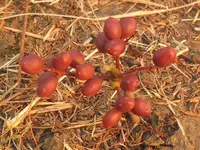
European waterclover Care (Marsilea quadrifolia)

Also known as: Common Water Clover, Water Shamrock, clover fern, European water fern, pepperwort
European waterclover

About European waterclover

European waterclover (Marsilea quadrifolia) is a small aquatic fern that grows in shallow water, ponds, and wet mud. It forms mats of clover-like leaves on thin stems. The plant naturally occurs in parts of Europe and Asia and has become naturalized in some regions of North America. It spreads by creeping rhizomes, which makes it a fast colonizer in the right conditions. This species is generally considered easy to grow if water is stable and not heavily polluted. It prefers still or slow-moving water, consistent moisture, and nutrient-rich, fine-textured substrates, which is important to understand when learning how to care for European waterclover.

Main Plant Requirements

Care Difficulty

Moderate Care

Light Preference

Partial Sun

Water Requirements

Aquatic

Temperature Preference

Cool Climate

Hardiness Zone

6–10

Soil Texture

Loamy, Silty, Organic-rich

Soil pH

Slightly acidic (6.5–7.0), Neutral (7.0)

Soil Drainage

Waterlogged tolerant

Fertilization

Light (every 4–6 weeks)

Get Personalized Care Plan

Scan your plant to receive care tips personalized for your specific plant

Available on iOS and Android

How to Care for the European waterclover

This aquatic fern prefers bright conditions but tolerates a range of light exposures in ponds and water gardens.

  • Provide 4–6 hours of sun daily, ideally morning sun with light afternoon shade to avoid leaf scorch in hot summers.
  • Allow partial shade (2–4 hours direct sun) in warmer climates; plants may grow taller and less compact but remain healthy.
  • In cooler seasons, give as much sun as available; in intense summer sun, use taller plants or shade cloth to create filtered light and protect European waterclover fronds.

This species is adapted to consistently wet conditions and often grows with its roots submerged.

  • Maintain waterlogged soil or shallow standing water (2–10 cm above the crown); do not allow the root zone to dry out completely.
  • In garden soil at pond edges, keep the surface visibly moist; if the top layer lightens in color or cracks, increase watering or raise the water level.
  • Watch for underwatering (wilting, crisp edges) versus overwatering in poorly drained containers (sour smell, blackened roots) when managing Marsilea quadrifolia in captive setups.

This hardy aquatic plant tolerates a broad temperature range but responds best to mild, stable conditions.

  • Aim for 65–80°F (18–27°C) during the main growing season for steady leaf production and spreading rhizomes.
  • Plants often survive down to about 40°F (4°C) if submerged, but foliage may die back; rhizomes overwinter better under ice-free water.
  • In hot weather above 90°F (32°C), growth can slow; provide partial shade and stable water depth to buffer temperature swings and prevent stress.

This semi-aquatic fern prefers constant high moisture around foliage and water surface rather than dry household air.

  • Aim for 60–80% humidity, using shallow trays or ponds so leaves sit just above the waterline.
  • European waterclover tolerates brief dips to 40–50% humidity but foliage may brown at the edges if kept dry.
  • Humidity stress shows as crisping leaf tips and slower spread; increase moisture with larger water trays or partially flooded containers.

This species grows best in saturated, fine-textured substrates that hold water yet allow some oxygen around the rhizomes.

  • Use a heavy loam or clay-loam with 30–50% organic matter such as composted leaf mold to anchor the plant in shallow water.
  • Keep the substrate constantly wet or submerged by 2–10 cm, avoiding any situation where it dries and cracks.
  • A slightly acidic to neutral pH of 6.0–7.5 supports healthy Marsilea quadrifolia growth and nutrient uptake.
  • Avoid coarse, fast-draining mixes dominated by sand or perlite, which let water escape and reduce rhizome stability in aquatic setups.

This species is well suited to container culture in water bowls, tubs, or small ponds.

  • Choose a broad, shallow container so rhizomes can spread horizontally without creating deep, stagnant pockets of water.
  • Use a wide, heavy pot or pond basket so the container does not tip as foliage spreads across the water surface.
  • Place the soil container inside a larger watertight outer vessel to maintain a stable water level above the substrate.

Marsilea quadrifolia benefits from light, consistent nutrition during its active growing season.

  • Use a balanced liquid fertilizer (e.g., 10-10-10) at 1/4–1/2 strength for European waterclover grown in containers or ponds.
  • Apply every 4–6 weeks during spring–summer when growth is active, avoiding heavy doses that can cause algae in water features.
  • For soil-grown plants, mix in a thin layer of fine compost or use slow-release aquatic tablets pushed into the substrate.
  • Stop or greatly reduce feeding in fall–winter when growth slows or plants go dormant.

Pruning Marsilea quadrifolia is mainly about tidiness and maintaining healthy foliage.

  • Trim yellowing, dead, or damaged fronds at the base at any time using small, clean scissors or snips.
  • In late spring or early summer, thin out crowded stems to improve light penetration and reduce rot in dense mats.
  • Remove old, submerged, or decaying leaves in aquatic setups to maintain water quality and prevent fungal issues.
  • Light shaping of the patch edge can keep growth within bounds without stressing the rhizomes.

Marsilea quadrifolia often spreads quickly, so transplanting or dividing clumps keeps growth manageable.

  • Look for dense mats, slow growth, or roots circling a container as signs that division or transplanting is needed.
  • Plan to lift and divide clumps every 2–3 years in spring, when new growth begins and recovery is fastest.
  • Gently rinse roots, separate rhizomes into smaller sections with several fronds each, and trim damaged roots to reduce stress.
  • Replant into shallow trays or pond margins with consistently moist substrate, then keep water stable and light moderate for 1–2 weeks.

Marsilea quadrifolia is most commonly propagated by division of rhizomes rather than by seed.

  • Divide established clumps in spring–early summer when plants are actively growing and recover well.
  • Lift a section, gently separate rhizomes by hand, ensuring each piece has healthy roots and at least 2–3 fronds.
  • Plant divisions in shallow, consistently moist soil or aquatic substrate, covering rhizomes lightly but not burying fronds.
  • Maintain bright, indirect light and stable water levels until new growth confirms successful establishment.

Marsilea quadrifolia is generally cold hardy in much of the US and needs only modest winter attention in outdoor ponds or beds.

  • In cold climates, submerged plants usually overwinter as dormant rhizomes under ice without extra covering.
  • For marginal or shallow plantings, add a 3–5 cm mulch layer over soil to insulate the root zone.
  • Move small container-grown plants indoors to a cool, bright spot or into an indoor tank before hard frosts.

Care Tips

Contain Rhizome Spread

Plant in a shallow, rimmed container or pond basket to confine creeping rhizomes, which makes dividing, thinning, and repositioning the colony much easier over time.

Manage Water Depth

Keep the crown just below the water surface in ponds or trays and adjust the water level seasonally so new leaves can reach the surface quickly instead of exhausting energy on overly long petioles.

Divide For Vigor

Every 1–2 years, lift and gently divide dense mats into smaller sections with at least a few healthy rhizome nodes and roots, then replant to prevent self-shading and maintain strong, even growth.

Control Floating Shade

Regularly thin duckweed, water lettuce, or other floating plants above your colony so the foliage still receives bright conditions and does not develop weak, elongated stems.

Acclimate Emersed Growth

When moving plants from submerged to emersed culture, gradually lower the water level over 7–10 days so new leaves harden in air while older underwater leaves are allowed to die back without stressing the plant, which is key for successful Marsilea quadrifolia care.

Common Pests and Diseases

Aquatic snails

This pest feeds on tender leaflets and young stems, often leaving irregular holes or completely eaten new growth. Symptoms include slow decline of submerged foliage and visible snails or egg clusters on pots, glass, or hardscape near the plant.

Solution

Hand-pick visible snails, remove egg clusters, and rinse plant sections outside the tank or container with dechlorinated water. In ponds or aquaria, reduce overfeeding of fish, add natural predators where appropriate, and use species-safe snail traps or, if needed, a targeted snail treatment that is labeled safe for aquatic plants like Marsilea quadrifolia care instructions.

Algae overgrowth

This problem competes directly with Marsilea for light and nutrients, often coating leaf surfaces with green, brown, or filamentous growth. Symptoms include shaded, weak, or yellowing leaves and slower spreading of the clover mat.

Solution

Reduce excess light and dissolved nutrients by shortening light duration, avoiding overfertilization, and increasing partial water changes. Gently wipe or brush algae from leaves and hardscape, improve water circulation, and introduce appropriate algae-eating species in ponds or tanks if suitable for the system.

Leaf spot fungus

This disease causes small translucent or brown spots on the floating or emergent leaves, which may enlarge and merge into larger dead patches. Symptoms include thinning foliage and premature leaf drop on plants grown in shallow water or very humid containers.

Solution

Remove and discard affected leaves, then improve air movement above the water surface and avoid splashing water on foliage during watering. If spots continue to spread, apply a mild, aquatic-safe fungicide according to label directions and thin overly dense plantings to lower humidity around leaves.

Spider mites

These insects occasionally attack emergent or marginal plantings, causing fine speckling, dulling, or bronzing of leaves above the waterline. Symptoms include very fine webbing between leaflets and a dusty appearance when infestations become heavy.

Solution

Rinse emergent foliage thoroughly with a strong but gentle stream of water, focusing on the undersides of leaves, and repeat several times per week. For persistent infestations, use an insecticidal soap or horticultural oil labelled safe for aquatic-edge use, taking care to keep runoff out of enclosed aquaria or fish-heavy ponds.

Interesting Facts

Floating clover leaves

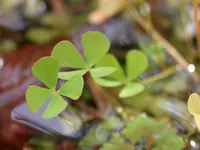
This aquatic fern produces leaf blades that look like a four-leaf clover and can either float on the water surface or stand upright in shallow mud, depending on water depth and light.

Submerged grass-like form

Under deeper water or lower light, its leaves change shape and become narrow and grass-like, a plastic response that helps it photosynthesize efficiently in different aquatic conditions.

Rice paddy naturalization

The species is native to parts of Europe and Asia but has naturalized in North American rice paddies and slow-water habitats, where it can form dense mats that compete with crops.

Botan icon

Did you know?

Marsilea quadrifolia produces hard, bean-like sporocarps (specialized spore cases) that can remain viable in soil for many years, allowing the species to survive periodic drying and recolonize wetlands when water returns.

FAQs about European waterclover

This species spreads steadily by creeping rhizomes and can form dense mats in shallow water or very wet soil. In small ponds or containers, regular thinning and physical barriers help prevent it from overtaking other aquatic or marginal plants.

Grow Healthy Plants with Botan Care

Keep your plants happy and healthy with plant identification, disease detection, and easy care guidance.

Botan plant care app — identify plants on mobile

Explore More Plants