Woodwardia orientalis Care

Woodwardia orientalis

About Woodwardia orientalis

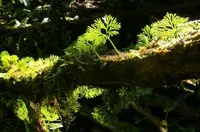
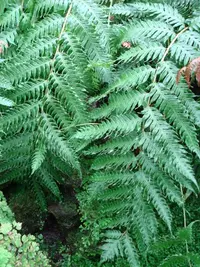
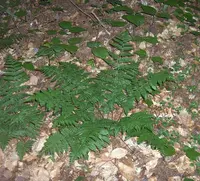
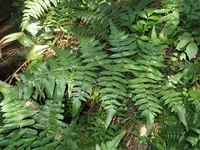
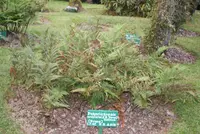
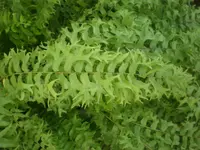
Woodwardia orientalis, often called oriental chain fern, is a semi-evergreen fern known for its long, arching fronds and trailing plantlets that form along the leaf blades. It creates a lush, layered look and gradually forms a clump that can spread over time.

This species is native to East Asia, where it grows in humid, shaded forests and along stream banks. It is generally considered moderate in difficulty, as it needs consistent moisture and protection from strong sun or drying winds.

Those conditions guide how to care for Woodwardia orientalis, which prefers cool to mild temperatures, evenly moist soil rich in organic matter, and a sheltered, shaded location outdoors or in bright shade under cover.

Main Plant Requirements

Care Difficulty

Moderate Care

Light Preference

Partial Shade

Water Requirements

Keep Soil Moist

Temperature Preference

Tropical / Frost Sensitive

Hardiness Zone

9–11

Soil Texture

Loamy, Peaty, Organic-rich

Soil pH

Acidic (5.5–6.5), Slightly acidic (6.5–7.0)

Soil Drainage

Moist but well-drained

Fertilization

Minimal (feed rarely)

Get Personalized Care Plan

Scan your plant to receive care tips personalized for your specific plant

Available on iOS and Android

How to Care for the Woodwardia orientalis

This species prefers bright, indirect light that mimics a sheltered forest floor.

  • Aim for dappled light or light shade with 2–4 hours of soft morning sun and no harsh afternoon sun.
  • Plant in a position filtered by overhead trees, shade cloth, or a north/east-facing exposure to reduce leaf scorch.
  • If fronds become pale, floppy, or sparse, light is likely too low; if frond edges crisp or bronze, the site is too sunny.

This fern thrives in consistently moist, never stagnant, soil.

  • Maintain evenly moist soil by watering whenever the top 2–3 cm feels just barely damp rather than dry.
  • Use rich, humus-heavy soil with good drainage so moisture holds without forming puddles or foul smell, which signal waterlogging.
  • In hot, dry periods increase checks to daily, watching for drooping or crisp tips as signs of thirst and blackened, mushy bases as overwatering.

Stable, mild temperatures support healthy frond growth and root vigor.

  • Ideal growth occurs around 60–75°F (16–24°C), with cooler nights improving vigor as long as conditions stay frost-free.
  • Protect from temperatures below 30°F (-1°C); repeated light frosts can damage fronds and harder freezes may kill the crown.
  • In summer, it tolerates 80–86°F (27–30°C) if soil stays moist and the site is shaded and humid, avoiding hot, drying winds.

This fern prefers consistently moist air and reacts poorly to dry indoor conditions.

  • Aim for 60–80% humidity, as Woodwardia orientalis naturally grows in damp, sheltered habitats.
  • Dry air causes crisping frond tips, slowed unfurling, and increased susceptibility to spider mites.
  • Use a wide pebble tray with water under the pot, grouped plants, or a cool-mist humidifier to raise humidity levels.

This fern needs consistently moist, airy, humus-rich soil that never becomes waterlogged.

  • Use a loose mix of 50–60% composted bark or leaf mold, plus peat-free compost and 10–20% perlite for structure and drainage.
  • Aim for slightly acidic soil, around pH 5.5–6.5, similar to woodland conditions that support steady growth of Woodwardia orientalis.
  • Ensure the mix drains freely yet retains moisture; water should drain within seconds, with no puddling on the surface.
  • Avoid heavy clay, compacted ground, or mixes dominated by sand or gravel that either suffocate roots or dry out too quickly.

This species adapts reasonably well to container growing if moisture and root space are managed carefully.

  • Choose a deep, wide pot to accommodate its spreading rhizomes and arching fronds without crowding the root zone.
  • Select a heavier material like ceramic to help stabilize the pot against wind and the fern’s outward-spreading foliage.
  • Elevate the container slightly on feet or bricks so drainage holes stay clear and excess water escapes quickly after heavy watering or rain.

This fern grows well in humus-rich soil and needs only light supplemental feeding.

  • Apply a balanced, diluted liquid fertilizer (around 1/4 strength) every 4–6 weeks in spring and summer for Woodwardia orientalis.
  • Use compost or leaf mold as a thin top-dressing once a year to mimic woodland soil.
  • Avoid high-nitrogen products that cause weak, lush fronds and increase pest risk.
  • Stop feeding in fall and winter to allow natural rest.

Pruning focuses on hygiene and maintaining a tidy clump rather than reshaping the fern.

  • In late winter or early spring, remove dead, yellow, or damaged fronds at the base before new growth emerges on Woodwardia orientalis.
  • Cut crowded or overlapping fronds to improve airflow and reduce fungal issues in damp climates.
  • Use clean, sharp pruning shears and disinfect blades between plants.
  • Avoid cutting healthy green fronds heavily, as this reduces photosynthesis and weakens the plant.

This fern is most often grown in the ground, with container repotting needed only occasionally.

  • Transplant or divide in early spring when new fronds start, choosing a cool, overcast day to limit stress for Woodwardia orientalis.
  • Look for roots circling the pot, slow growth, or frequent drying as signs a container plant needs a larger home, usually every 2–3 years.
  • Lift the plant with a generous root ball, keep roots shaded and moist, and replant at the same depth in rich, moist soil.
  • Water thoroughly after transplanting, then keep evenly moist and sheltered from hot sun until growth resumes strongly.

This fern is commonly propagated by division or by encouraging plantlets that form on fronds.

  • In early spring, divide established clumps with several healthy crowns, replanting sections immediately into moist, humus-rich soil.
  • For frond plantlets of Woodwardia orientalis, pin them onto moist soil while still attached, then sever once roots form.
  • Maintain high humidity and consistent moisture, but avoid waterlogging, to support new root growth.
  • Spore propagation is possible but slow, requiring sterile, consistently moist conditions and filtered light.

This fern is moderately cold tolerant but benefits from some winter protection in colder regions.

  • In climates colder than about 20–25°F, add a 5–8 cm mulch layer over the root zone once the ground cools.
  • Leave old fronds on marginally hardy plants until late winter, as they shelter the crown of Woodwardia orientalis.
  • In containers, move pots to a frost-free, bright, cool space and keep soil just slightly moist.

Care Tips

Stolon management

Inspect creeping stolons once or twice a year and selectively remove or redirect them with a clean knife to prevent overcrowding and to keep the clump within its allotted space.


Layering for propagation

Pin a healthy, still-attached frond tip with plantlets onto a shallow tray of moist potting mix until roots form, then sever and pot individually to expand your planting with minimal stress to the parent.

Mulch for frond protection

Apply a 3–5 cm layer of fine, composted bark or leaf mold around the crown (not touching it) to buffer soil moisture and protect shallow rhizomes from temperature swings.

Slug and snail barriers

Place coarse barriers such as crushed gravel or diatomaceous earth in a ring around the plant and set out evening hand-picking or traps to protect tender emerging fronds from chewing damage.

Container refresh schedule

For container-grown plants, gently lift and divide crowded crowns every 3–4 years, renewing the potting mix and trimming old, congested roots to maintain vigor when growing Woodwardia orientalis.

Common Pests and Diseases

Scale insects

This pest attaches to frond stalks and the undersides of pinnae, sucking sap and causing yellowing, stunting, and sticky honeydew deposits that may lead to sooty mold. Infestations tend to build up on older, sheltered clumps in humid, shaded positions.

Solution

Prune and destroy heavily infested fronds, then wipe remaining scales from stems and midribs with a cotton pad dipped in diluted insecticidal soap or horticultural oil, repeating every 7–10 days until new growth is clean. Improve air movement around the fern and avoid overfertilizing, which encourages soft growth that scale prefers, as part of long-term Woodwardia orientalis care instructions.

Mealybugs

These insects appear as white, cottony clusters in frond bases, on rhizomes, and along midribs, where they feed on sap and weaken the plant. Symptoms include distorted new fronds, sticky residue, and sometimes black sooty mold on nearby surfaces.

Solution

Isolate affected plants, then dab visible mealybugs with cotton swabs dipped in 70% isopropyl alcohol and follow with a thorough spray of insecticidal soap into all crevices. Repeat treatments weekly until no new insects appear and keep the plant slightly drier at the crown so hiding places remain less favorable.

Fern rust

This disease causes orange to brown powdery pustules on the undersides of fronds, sometimes with yellowing patches on the upper surface. In severe cases fronds brown prematurely and overall vigor declines.

Solution

Remove and discard affected fronds promptly, avoiding overhead watering to keep foliage as dry as possible, especially in dense shade. Increase spacing and air circulation, and in persistent, severe cases apply a labeled fungicide for rust on ferns, focusing on new emerging fronds as they unfold.

Rhizoctonia crown rot

This disease starts at the crown and upper rhizome, where tissue turns brown, mushy, and may develop a fine web of fungal mycelium, leading to collapse of central fronds. Symptoms include sudden wilting in warm, wet conditions even when the soil is moist.

Solution

Excavate the plant and cut away all affected brown, soft tissue, keeping only firm, healthy rhizome sections, then replant in well-drained, loose substrate and avoid burying the crown. Reduce watering frequency, discard infected debris, and if the problem recurs, use a fungicide labeled for Rhizoctonia on ornamentals and adjust irrigation to keep the crown from staying saturated.

Interesting Facts

Plantlet-bearing fronds

Mature fronds often produce small plantlets along the leaf margins, which can root when they touch moist soil, allowing the fern to spread vegetatively without spores.

Distinctive bicolored foliage

New fronds typically emerge bronzy red to pinkish and then mature to glossy deep green, creating a strong color contrast that is especially visible in humid, shaded habitats.

Subtropical cliff specialist

In nature, this fern often grows on moist rock faces, stream banks, and vertical slopes in warm, humid regions of East Asia, anchoring its roots into crevices where water trickles past.

Botan icon

Did you know?

In some parts of its native range, this fern forms almost pure stands on dripping rock walls and ravines, where its hanging fronds can create curtain-like green displays several meters across.

FAQs about Woodwardia orientalis

This fern spreads by creeping rhizomes and can form wide clumps over time, but it is usually not aggressively invasive in gardens. In favorable, moist, mild climates, monitor and divide clumps if they begin crowding nearby plants.

Grow Healthy Plants with Botan Care

Keep your plants happy and healthy with plant identification, disease detection, and easy care guidance.

Botan plant care app — identify plants on mobile

Explore More Plants