fishtail swordfern Care (Nephrolepis falcata)

fishtail swordfern

About fishtail swordfern

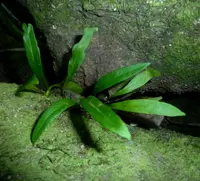
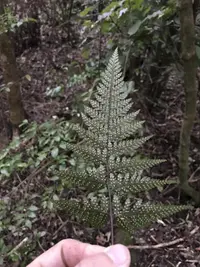
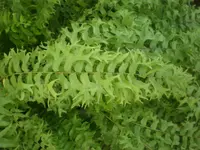
Nephrolepis falcata, commonly called fishtail swordfern, is an evergreen tropical fern known for its divided, fish-tail shaped fronds and dense, arching clumps. It usually grows as an epiphyte on trees or rocks in warm, humid forests of Southeast Asia and the Pacific region. The plant offers a lush, textured look that suits hanging baskets and containers indoors. Its main challenges are sensitivity to dry air and irregular watering, which can cause frond tips to brown or foliage to thin. With consistent moisture, good drainage, and soft filtered light, it is moderately easy to manage once you understand how to care for fishtail swordfern.

Main Plant Requirements

Care Difficulty

Moderate Care

Light Preference

Bright Indirect Light

Water Requirements

Keep Soil Moist

Temperature Preference

Tropical / Frost Sensitive

Hardiness Zone

10–11

Soil Texture

Loamy, Peaty, Organic-rich

Soil pH

Acidic (5.5–6.5), Slightly acidic (6.5–7.0)

Soil Drainage

Moist but well-drained

Fertilization

Light (every 4–6 weeks)

Get Personalized Care Plan

Scan your plant to receive care tips personalized for your specific plant

Available on iOS and Android

How to Care for the fishtail swordfern

This fern prefers bright, filtered light that mimics dappled forest shade.

  • Provide 4–6 hours of bright, indirect light each day; morning sun through an east window or light under shade cloth outdoors works well for fishtail swordfern.
  • Tolerates partial shade, but very low light leads to sparse, pale fronds and slow growth; move closer to a bright window or lightly brighter outdoor spot if this occurs.
  • Avoid strong midday or afternoon sun, which can scorch frond tips; in summer, shift slightly farther from windows or give more overhead shade.

This species prefers evenly moist, never soggy, soil.

  • Water when the top 2–3 cm of soil feels barely dry; fronds should not wilt between waterings, which signals underwatering.
  • Use a free-draining, organic-rich mix so excess water runs out quickly; yellowing, mushy bases indicate overwatering, while crisp, browning tips suggest the root zone is staying too dry.
  • Reduce frequency in cooler months when growth slows, but do not let the root ball dry out completely, especially in heated indoor air or windy outdoor conditions.

Stable, warm conditions support dense, healthy fronds.

  • Aim for 65–80°F (18–27°C) for active growth; plants maintain best foliage density and color in this range.
  • Short dips to 55°F (13°C) are usually tolerated, but prolonged exposure below 50°F (10°C) can cause frond damage and eventual dieback.
  • Protect from frost and extreme heat; avoid locations above 90°F (32°C) without shade and airflow, and shield from cold drafts near doors, uninsulated windows, or outdoor cold snaps.

This fern prefers consistently moist air and reacts quickly to very dry conditions.

  • Aim for 50–70% humidity to prevent frond tips from drying and browning.
  • Tolerates short dry spells, but prolonged air below 40% leads to crispy edges and sparse new fronds in fishtail swordfern.
  • Increase humidity with a nearby humidifier, grouped plants, or a pebble tray, rather than misting alone.

Nephrolepis falcata prefers a loose, organic-rich, evenly moist but well-drained substrate.

  • Use a peat- or coco coir-based mix with plenty of fine bark and compost for a fibrous, loamy texture.
  • Improve drainage and aeration by adding 20–30% perlite or pumice so water drains within seconds, not minutes.
  • Keep soil slightly acidic, around pH 5.5–6.5, which supports nutrient availability and healthy root function.
  • Avoid heavy garden soil, dense clay, or mixes that stay waterlogged, which promote root and rhizome rot.

This species grows well in containers, including hanging baskets, when stability and drainage are managed carefully.

  • Choose a wide, shallow pot to accommodate its spreading root system and prevent the plant from becoming top-heavy at the rim.
  • Select breathable materials such as unglazed terracotta if moisture retention tends to be high in your environment.
  • Ensure the container has multiple drainage holes so excess water exits quickly and does not pool around the rhizomes.

This fern benefits from light, consistent nutrition during active growth but reacts poorly to strong feeds.

  • Use a balanced liquid fertilizer (such as 10-10-10 or 20-20-20) at 1/4–1/2 strength every 4–6 weeks in spring and summer.
  • Alternatively, apply a thin layer of fine compost on the soil surface for gentle, slow nutrient release.
  • Skip or halve feeding in fall and winter when growth slows, especially for fishtail swordfern grown indoors.
  • Flush the pot with plain water every few months to reduce salt buildup from soluble fertilizers.

Careful pruning keeps Nephrolepis falcata neat and encourages fresh frond production.

  • Best time is late winter to early spring, before strong new growth begins.
  • Remove dead, yellowing, or mechanically damaged fronds at the base using clean, sharp scissors or pruners.
  • Thin out crowded or inward-growing fronds to improve air flow and maintain an even, arching shape.
  • Disinfect tools before and after use, especially if any fronds show signs of rot or disease.

This fern prefers slightly tight quarters but needs repotting when root-bound or declining.

  • Check for signs such as roots circling the pot, pushing through drainage holes, or slower frond growth despite good care.
  • Plan to repot every 2–3 years in spring, using a slightly larger container with airy, peat-free, well-draining mix.
  • Water the plant a day before repotting, then gently loosen and untangle outer roots to reduce transplant shock.
  • After repotting, keep the plant in bright, indirect light, maintain even moisture, and avoid fertilizing for 3–4 weeks.

This fern is most often propagated by division rather than spores for reliable results.

  • Divide mature clumps of Nephrolepis falcata in spring when removing from the pot for repotting or refreshing soil.
  • Use a clean knife or hand-tear natural divisions, ensuring each section has healthy roots and several viable fronds.
  • Plant divisions into small pots with moist, well-draining mix, and firm gently to remove large air pockets.
  • Maintain high humidity, steady warmth (65–75°F), and shaded, indirect light until strong new growth appears.

This tropical fern is frost-sensitive and needs mild, stable conditions in winter.

  • In regions below 50°F, grow Nephrolepis falcata in containers so plants can be moved indoors before first frost.
  • Indoors, place in bright, indirect light and keep temperatures around 60–75°F, away from cold drafts or heating vents.
  • Keep soil slightly moist but not waterlogged in winter, and increase humidity with trays of water or a room humidifier.

Care Tips

Use Wider Pots

Select a shallow, wider pot rather than a deep one to support the spreading, arching fronds and allow the rhizomes to colonize the surface evenly without becoming root-bound too quickly.

Regular Frond Grooming

Inspect fronds every few weeks and remove only fully brown or dead pinnae with clean scissors, which improves airflow through the dense foliage and reduces fungal spotting.

Rotate For Even Growth

Turn the pot 90° every 2–3 weeks so that new fronds develop evenly on all sides, preventing lopsided growth and reducing the risk of the plant leaning or tipping.

Shower Dust Removal

Rinse the foliage gently in a lukewarm shower or under a sink sprayer every 4–6 weeks to remove dust and mites, then let it drain thoroughly so water does not sit in the crown.

Divide Overgrown Clumps

Every 1–2 years, divide congested root balls into 2–3 sections with a clean knife and repot each division, which rejuvenates older plants and is a reliable method for growing fishtail swordfern without starting from spores.

Common Pests and Diseases

Fern scale

This pest attaches along frond midribs and stems as small brown or tan bumps, causing yellowing, thinning fronds, and reduced vigor.

Solution

Physically scrape or wipe off scale with a cotton pad dipped in 70% isopropyl alcohol, then rinse fronds thoroughly; repeat weekly until no new scale appears and improve air movement and light to keep plants less stressed.

Caterpillar leaf damage

These insects chew irregular holes and notches in the thin fishtail leaf segments, sometimes skeletonizing entire pinnae in a short time.

Solution

Inspect fronds in the evening, hand-pick caterpillars, and flush the plant with a strong but gentle stream of water; in recurring outdoor infestations, use a targeted Bacillus thuringiensis (Bt) spray labeled for caterpillars, applied only to foliage and repeated as directed.

Mealybugs

This pest appears as cottony white clumps at frond bases and in the crown, leading to distorted new growth and sticky honeydew on nearby surfaces.

Solution

Dab visible mealybugs with cotton swabs dipped in 70% isopropyl alcohol, then shower the plant with lukewarm water; for heavier infestations, follow with a neem oil or insecticidal soap spray, ensuring good coverage in the crown and repeating every 7–10 days until controlled.

Rhizoctonia leaf spot

This disease causes brown, water-soaked spots on pinnae that often develop tan centers and dark margins, sometimes coalescing into larger blighted areas on older fronds.

Solution

Remove and discard affected fronds, keep water off the foliage, increase spacing and airflow, and avoid overhead watering; in persistent cases, use a fungicide labeled for Rhizoctonia on ferns, following the product directions and focusing on crown and lower fronds.

Pythium crown rot

Symptoms include sudden wilting and collapse of the central crown while soil remains wet, with blackened, mushy crown tissue at or just below the soil surface.

Solution

Discard severely affected plants, as recovery is rare; to prevent the problem when growing fishtail swordfern, use a well-drained peat‑based mix, avoid standing water in saucers, and water only when the upper mix feels slightly dry, especially in cool, low-light conditions.

Interesting Facts

Distinctive fishtail pinnae

This species develops unusually shaped leaflet segments that fork and overlap toward the tip of each frond, creating the characteristic fishtail outline that distinguishes it from the more common Boston fern Nephrolepis exaltata.

Creeping stolon growth

It spreads via long, wiry, above-ground stolons that root when they touch suitable substrate, allowing the plant to gradually form loose colonies on the forest floor, tree bases, or rocky surfaces in its native tropical range.

Epiphytic and terrestrial habit

In the wild it can grow both as a terrestrial fern in soil and as an epiphyte anchored in organic debris on tree trunks or rock crevices, showing considerable adaptability to different microhabitats in humid tropical forests.

FAQs about fishtail swordfern

Yellowing fronds often result from overwatering, poor drainage, or natural aging of older leaves. Check that the pot drains freely, empty saucers, reduce watering slightly, and trim the oldest yellow fronds to encourage fresh growth.

Grow Healthy Plants with Botan Care

Keep your plants happy and healthy with plant identification, disease detection, and easy care guidance.

Botan plant care app — identify plants on mobile

Explore More Plants