Crassula obovata Care

Crassula obovata

About Crassula obovata

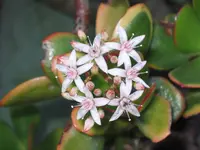
Crassula obovata is a small succulent shrub valued for its thick, rounded leaves and compact, branching habit. It often develops a woody base and a neat, upright form over time. Native to South Africa, it grows in rocky, well-drained habitats with bright light and infrequent rainfall. This background makes it drought tolerant and generally forgiving for indoor growers. Plants prefer bright, indirect light, porous soil, and careful watering that allows the mix to dry between waterings. With these basic conditions, it is straightforward to care for Crassula obovata, even in smaller homes or offices.

Main Plant Requirements

Care Difficulty

Easy Care

Light Preference

Full Sun

Water Requirements

Low Water

Temperature Preference

Tropical / Frost Sensitive

Hardiness Zone

10–11

Soil Texture

Sandy, Loamy, Rocky

Soil pH

Slightly acidic (6.5–7.0), Neutral (7.0)

Soil Drainage

Well-drained

Fertilization

Minimal (feed rarely)

Get Personalized Care Plan

Scan your plant to receive care tips personalized for your specific plant

Available on iOS and Android

How to Care for the Crassula obovata

This succulent prefers bright light with some direct sun but can tolerate partial shade.

  • Provide 4–6 hours of morning or late-afternoon sun; in very hot regions, protect from harsh midday sun to prevent leaf scorch and red or brown spotting.
  • Outdoors, place Crassula obovata where it gets bright, open sky plus brief direct sun; indoors, keep it near a south- or west-facing window with filtered light if sun is intense.
  • In winter, shorter days reduce growth; if stems stretch or leaves space out, increase light by moving closer to a window or using a grow light for 10–12 hours.

This plant stores water in its leaves and needs infrequent, thorough watering.

  • Allow the top 3–5 cm (1–2 in) of soil to dry fully before watering; in most homes this means every 10–21 days depending on pot size, light, and season.
  • Use a sharply draining mix and a pot with large drainage holes so excess water exits quickly, reducing risk of root rot and mushy, yellowing leaves.
  • In spring and summer, water more often as growth is faster; in fall and winter, extend the dry period, watching for wrinkling or soft, drooping leaves as a sign to water.

This succulent prefers warm, stable temperatures and does poorly in frost.

  • Aim for 65–80°F (18–27°C) for steady growth; brief highs to 90°F (32°C) are tolerated if light is filtered and soil is not kept wet.
  • Protect Crassula obovata from temperatures below 40°F (4°C); frost can damage leaves and stems, and hard frost can kill the plant.
  • If grown outdoors, shift it to a sheltered spot or indoors before night temperatures drop in fall, and avoid placing it near heaters, AC vents, or cold drafts that cause stress.

This succulent prefers dry indoor air and humidity is rarely a concern.

Crassula obovata grows best in a very fast-draining, mineral-rich mix that prevents waterlogging.

  • Use a cactus/succulent mix amended with extra perlite or pumice for a gritty, airy texture.
  • Aim for slightly acidic to neutral pH around 6.0–7.0, avoiding strongly acidic or alkaline substrates.
  • Include only a small proportion of organic matter, such as composted bark, to reduce moisture retention and rot risk.
  • Avoid dense, clay-heavy, or peat-heavy mixes that stay wet for more than 2–3 days after watering.

This species is well suited to container growing, including long-term cultivation on patios or bright windowsills.

  • Choose a relatively wide, shallow pot to match its fibrous, surface-leaning roots and reduce tipping risk as stems thicken.
  • Use unglazed terracotta if extra evaporation is needed, as it allows the mix to dry faster than plastic or glazed ceramic.
  • Place the pot where it cannot be knocked over, since the plant can become top-heavy as branches become woody.

This succulent benefits from light feeding but grows acceptably in lean, well-drained soil.

  • During spring–summer, use a balanced liquid fertilizer (such as 10-10-10) diluted to 25–50% strength every 4–6 weeks.
  • Choose products formulated for succulents or cacti rather than high-nitrogen lawn fertilizers.
  • Avoid fertilizing in late fall and winter when Crassula obovata slows growth.
  • Never apply fertilizer to bone-dry soil; water lightly first to reduce root burn risk.

Thoughtful pruning keeps this shrub compact, healthy, and structurally strong.

  • Best time is late winter to early spring before vigorous new growth begins.
  • Remove dead, damaged, or crossing stems to improve airflow and reduce disease risk.
  • Shorten leggy shoots to an outward-facing node to encourage branching and a dense shape.
  • Use clean, sharp pruning shears, making smooth cuts without tearing the tissue.

This slow-growing succulent shrub prefers slightly snug containers and infrequent repotting.

  • Plan to repot every 2–3 years in spring when roots circle the pot or growth stalls.
  • Select a container only 2–3 cm wider with drainage holes and a gritty cactus mix.
  • Lift the plant gently, loosen circling roots lightly, and remove old, compacted soil from the outer layer.
  • Water sparingly after repotting and keep in bright, indirect light for 7–10 days to limit stress.

Crassula obovata is commonly propagated from stem or leaf cuttings for consistent new plants.

  • Best season is spring–early summer when growth is active and light levels are high.
  • Take healthy 5–8 cm stem cuttings, remove lower leaves, and let cut ends dry for 1–2 days.
  • Set calloused cuttings into barely moist, gritty mix and keep at 70–80°F with bright, indirect light.
  • Avoid overwatering during rooting; allow the top layer of the substrate to dry between light waterings.

This succulent is frost-sensitive and needs protection in regions with freezing winters.

  • Move container plants indoors before temperatures drop below 40°F, providing bright light and good airflow.
  • For short, light frosts, cover outdoor plants with breathable frost cloth, avoiding plastic contact on leaves.
  • Keep soil on the dry side in winter to reduce cold damage to roots and stems.

Care Tips

Controlled branching

Pinch or cut soft stem tips above a node in early spring to encourage branching and a denser canopy, sterilizing tools with alcohol to reduce infection risk.

Rootbound management

Allow the plant to become slightly rootbound, then every 2–3 years slide it from the pot to inspect roots and trim only circling or dead sections before replanting at the same depth.

Stability weighting

For tall, top-heavy specimens, use a wider, heavier pot and add a surface layer of coarse gravel to improve stability and reduce the risk of the plant toppling over.

Light-direction training

Rotate the pot 90° every 2–3 weeks so stems grow more evenly and do not lean strongly toward the light source, which helps prevent lopsided, weak growth when growing Crassula obovata.

Preventing edema

After deep watering, let excess water drain fully and avoid sudden shifts from low to very high light to reduce edema, a condition where leaves develop raised, corky spots from water imbalance.

Common Pests and Diseases

Mealybugs

This pest commonly hides in leaf crevices and stem joints, sucking sap and causing stunted, distorted growth and sticky honeydew on leaves.

Solution

Isolate the plant, then dab visible insects with cotton swabs dipped in 70% isopropyl alcohol and gently wipe leaf surfaces; repeat weekly until no new insects appear, and improve light and air movement to discourage reinfestation as part of general Crassula obovata care instructions.

Soft scale

These insects form small, rounded, tan to brown bumps on stems and leaf undersides, weakening the plant by feeding on sap and excreting honeydew that can lead to sooty mold.

Solution

Manually scrape or wipe off scales with a soft cloth or cotton swab dipped in 70% isopropyl alcohol, then use several thorough applications of a horticultural or neem oil spray on all plant surfaces, focusing on stems and leaf undersides.

Spider mites

These insects thrive on Crassula foliage in hot, dry indoor air, causing fine webbing, tiny pale speckles, and a dull, dusty look on leaves.

Solution

Rinse the plant under a gentle lukewarm shower to remove mites and webbing, then increase humidity around the plant slightly, improve airflow, and use a targeted miticide or neem oil spray on both leaf surfaces, repeating every 5–7 days until symptoms stop.

Fungal leaf spots

This disease causes small brown or black spots on leaves, sometimes with yellow halos, often starting on older leaves after prolonged surface moisture or overcrowding.

Solution

Remove and discard affected leaves, space plants for better airflow, avoid overhead watering, and keep foliage dry; if spotting continues, apply a labeled copper-based or sulfur-based fungicide according to directions and monitor new growth closely.

Bacterial soft rot

Symptoms include mushy, water-soaked stems or leaf bases with a foul odor, usually starting where water has collected or where tissue was damaged.

Solution

Immediately cut away all affected soft tissue with a sterile tool, allow remaining healthy tissue to dry in bright, indirect light, and adjust watering so the soil dries well between waterings; if rot is extensive, take healthy stem cuttings to propagate and discard the original plant.

Interesting Facts

Loose, open branching

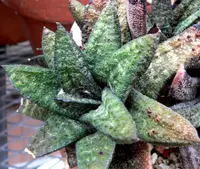
Compared with the compact jade plant Crassula ovata, this species often develops a looser, more open branching pattern with slightly flatter, paddle-shaped leaves, which helps distinguish it in mixed succulent collections.

Coastal South African origin

Crassula obovata is native to rocky, often coastal areas of South Africa, where it grows in shallow, well-drained soils and pockets in rock crevices, an environment that has selected for its thick, water-storing leaves and drought tolerance.

Subtle leaf color shifts

In strong light and drier conditions, the usually green, obovate (egg-shaped) leaves can develop reddish margins, a result of protective pigments called anthocyanins that help shield the tissues from excess sun.

FAQs about Crassula obovata

Brown leaves usually result from underwatering, intense direct sun scorch, or fertilizer burn. Check soil moisture, move the plant from harsh midday sun if scorched, and dilute or reduce fertilizer applications to prevent root damage.

Grow Healthy Plants with Botan Care

Keep your plants happy and healthy with plant identification, disease detection, and easy care guidance.

Botan plant care app — identify plants on mobile

Explore More Plants