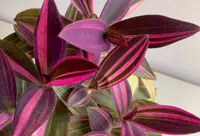
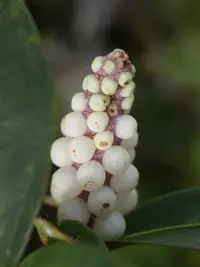
Callisia gracilis Care

Callisia gracilis

About Callisia gracilis

Callisia gracilis is a small, trailing perennial from the spiderwort family, valued mainly as a delicate foliage plant. It typically forms thin, wiry stems with small leaves that create a fine-textured mat or cascade from pots and hanging baskets.

This species is native to parts of Central and South America, where it grows in warm, moderately humid environments, often in bright but filtered light. Its compact size and relatively fast growth make it appealing for terrariums, mixed planters, and as a small indoor accent.

The plant is generally considered moderately easy to grow, provided it receives steady moisture, good drainage, and protection from harsh, direct sun. Understanding how to care for Callisia gracilis mainly involves balancing light and moisture so the stems stay dense rather than sparse or leggy.

Main Plant Requirements

Care Difficulty

Easy Care

Light Preference

Bright Indirect Light

Water Requirements

Moderate Water

Temperature Preference

Tropical / Frost Sensitive

Hardiness Zone

10–11

Soil Texture

Loamy, Sandy, Organic-rich

Soil pH

Acidic (5.5–6.5), Slightly acidic (6.5–7.0)

Soil Drainage

Moist but well-drained

Fertilization

Light (every 4–6 weeks)

Get Personalized Care Plan

Scan your plant to receive care tips personalized for your specific plant

Available on iOS and Android

How to Care for the Callisia gracilis

This trailing species prefers bright, indirect light with some gentle direct sun.

  • Provide 4–6 hours of bright, filtered light daily; soft morning sun from an east window or lightly shaded outdoor spot is ideal for Callisia gracilis.
  • It tolerates partial shade, but in very low light stems stretch, leaves pale, and growth becomes sparse, especially in winter at higher latitudes.
  • Avoid harsh midday or afternoon sun, which can bleach or scorch foliage; use sheer curtains or dappled shade outdoors in summer.

This plant prefers evenly moist but never waterlogged soil.

  • Water when the top 2–3 cm of soil feels dry, using enough water so it drains freely from the pot or through the bed profile.
  • Reduce frequency in winter, allowing the top layer to dry a bit more; in active warm-season growth, expect faster drying and more frequent watering.
  • Watch the foliage: limp, wrinkling leaves and very light pots suggest underwatering, while yellowing lower leaves and a sour soil smell point to overwatering or poor drainage.

This plant grows best in warm, frost-free conditions with stable temperatures.

  • Optimal growth occurs around 65–80°F (18–27°C), where stems stay compact and foliage colors remain strong throughout the growing season.
  • It tolerates brief dips to about 50°F (10°C), but growth slows; below 45°F (7°C) tissue damage is likely, especially to tender tips.
  • Protect from frost entirely, and in hot spells above 90°F (32°C) provide shade and good airflow to prevent leaf scorch and stress.

This species benefits from moderate to slightly elevated humidity for best foliage quality.

  • Aim for 40–60% humidity; it usually tolerates brief dips a bit lower if soil moisture is stable.
  • Dry indoor air causes crisp leaf tips, dull color, and slower spreading growth, indicating humidity stress.
  • Increase humidity with a nearby pebble tray, grouping plants, or a small humidifier rather than misting foliage.

Use a light, airy mix that drains quickly yet holds some moisture around the fine roots.

  • Choose a peat- or coco-based mix with added perlite or pumice for a loose, crumbly texture that resists compaction.
  • Aim for slightly acidic to neutral pH around 6.0–7.0, similar to standard houseplant or tropical mixes.
  • Blend in 20–30% fine bark or coarse perlite to improve aeration and prevent the roots of Callisia gracilis from staying waterlogged.
  • Avoid heavy garden soil, mixes dominated by clay, or containers without drainage, which encourage root rot and stem collapse.

This species is well suited to container growing due to its shallow, spreading root system.

  • Select a wide, shallow pot to support its trailing growth and promote quick surface drying of the mix.
  • Use pots with several small drainage holes so thin roots do not sit in residual water at the base.
  • Choose plastic or glazed ceramic if slower drying is desired, or unglazed terracotta if the plant often stays too wet.

Light, consistent feeding supports compact growth and foliage color in Callisia gracilis.

  • Use a balanced liquid fertilizer (for example 10-10-10 or 20-20-20) diluted to 1/4–1/2 strength.
  • Feed every 4–6 weeks during spring and summer when growth is active.
  • Skip or reduce feeding to once in the entire period during fall and winter.
  • Flush the pot with plain water every few months to limit salt buildup.

Thoughtful pruning keeps Callisia gracilis dense, tidy, and well-branched.

  • Best time is spring through early fall, avoiding periods of stress or recent repotting.
  • Pinch or trim soft stem tips to encourage bushier, less leggy growth.
  • Remove dead, yellowing, or damaged stems and crowded interior shoots with clean scissors.
  • Disinfect tools before and after use to reduce the risk of disease spread.

Occasional repotting maintains root health and even growth for this shallow-rooted trailing plant.

  • Plan to repot every 1–2 years in spring when new growth starts.
  • Check for roots circling the pot, crowded drainage holes, or slowed growth as signs it is time.
  • Choose a pot only 2–3 cm wider with good drainage and fresh, airy potting mix.
  • Water well after repotting, then keep in bright, indirect light and avoid heavy feeding for 2–3 weeks.

Propagation of this species is straightforward and often used to refresh leggy plants or create fuller pots.

  • Use stem cuttings with 2–4 nodes taken in spring or summer for best results.
  • Remove lower leaves and place nodes in water or moist, well-draining mix, keeping humidity moderate.
  • Provide bright, indirect light and temperatures around 65–80°F to encourage rooting.
  • Transplant rooted cuttings into small pots, keeping the soil slightly moist until new growth appears.

This plant is frost-sensitive and needs mild, protected conditions over winter, especially in containers.

  • Move potted plants indoors before temperatures drop below 50°F, placing them in bright, indirect light.
  • Keep soil slightly drier than in summer, allowing the top layer to dry between waterings.
  • Avoid cold drafts, unheated windowsills, and sudden temperature swings near heating vents.

Care Tips

Encourage Compact Growth

Pinch back the soft tips of each stem every few weeks to keep the plant dense and trailing rather than sparse and leggy, and use the cuttings for easy propagation in the same pot to thicken the mat.

Refresh Tired Mats

If the center of the clump becomes thin, trim and root several tip cuttings, then replant them into bare areas of the potting mix to quickly re-cover exposed substrate and maintain an even carpet.

Use Wide Containers

Choose a shallow, wide container instead of a deep pot so stems can spread horizontally, and rotate the container 90° every 1–2 weeks to encourage even growth on all sides.

Manage Salt Build-Up

Every 1–2 months, take the pot to a sink and slowly run clean, room-temperature water through the substrate for several minutes to flush out fertilizer salts that can scorch delicate roots and leaf tips.

Monitor Hidden Pests

Inspect the undersides of leaves and in the dense stem mat every 1–2 weeks for early signs of spider mites or mealybugs, since the tight foliage can hide pests; treat promptly with insecticidal soap if any are found to support long-term Callisia gracilis care.

Common Pests and Diseases

Spider mites

This pest thrives on the fine, trailing stems and small leaves, causing stippling, dull foliage, and fine webbing, especially in dry indoor air.

Solution

Rinse stems and leaves thoroughly under a gentle shower or sink sprayer, then repeat every few days for 1–2 weeks; increase humidity to 40–60% and isolate the plant. If needed, apply insecticidal soap or a ready-to-use neem oil spray to all leaf surfaces, including the undersides, and improve air circulation for long-term Callisia gracilis plant care.

Mealybugs

These insects hide in leaf nodes and along stems, sucking sap and causing distorted growth, sticky honeydew, and cottony white clusters.

Solution

Remove visible clusters with a cotton swab dipped in 70% isopropyl alcohol, then rinse the plant gently to dislodge remaining insects. Inspect weekly and, if activity continues, treat the whole plant with insecticidal soap or horticultural oil, ensuring good coverage in crevices and at stem joints.

Leaf spot

This disease causes water-soaked, tan to brown spots that may merge on the thin leaves, often starting where foliage stays wet for long periods.

Solution

Remove and discard affected leaves, then avoid overhead watering so foliage dries quickly. Improve airflow around the trailing stems, allow the top of the soil to dry slightly between waterings, and if spread continues, use a copper-based or other houseplant-labeled fungicide according to the product directions.

Soft stem rot

This disease leads to mushy, collapsing stems at or just above the soil line, usually under persistently wet, warm conditions.

Solution

Cut away and discard all affected stems, then repot into fresh, sharply draining mix in a pot with unobstructed drainage holes. Water less frequently, allowing the top 2–3 cm of soil to dry before watering again, and keep the plant in bright, indirect light to support firm, compact new growth.

Aphids

These insects cluster on tender shoot tips and new growth, causing curling leaves, stunted stems, and sticky honeydew that can attract sooty mold.

Solution

Rinse off colonies with a firm but gentle stream of water, repeating every few days until no aphids remain. For persistent infestations, spray the plant thoroughly with insecticidal soap, focus on new growth and undersides of leaves, and prune heavily infested tips if the plant is dense and easily regrows.

Interesting Facts

Microclimber growth habit

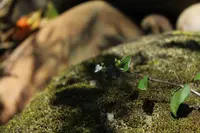
This species often scrambles and lightly climbs over neighboring vegetation rather than forming dense upright clumps, using its thin, flexible stems to spread across leaf litter and low shrubs in its native habitats.

Tiny but showy flowers

Although the individual flowers are very small, the loose clusters of white blooms can be conspicuous against the fine foliage, especially in bright conditions, and are visited by small insects in search of pollen.

Tolerance of rocky substrates

In the wild, this plant is frequently found rooted in thin soils on rocks or among crevices, indicating an adaptation to well-drained, sometimes nutrient-poor microhabitats in its natural range.

FAQs about Callisia gracilis

Leaf browning usually results from low humidity, underwatering, or fertilizer salts building up in the potting mix. Check soil moisture, flush the substrate occasionally with plain water, and move the plant away from hot, dry air sources.

Grow Healthy Plants with Botan Care

Keep your plants happy and healthy with plant identification, disease detection, and easy care guidance.

Botan plant care app — identify plants on mobile

Explore More Plants