Mounted display choice
Mount trailing stems on a piece of cork bark or a shallow wall planter with a thin sphagnum backing to encourage compact, pendant growth and improve air flow around the roots and foliage.

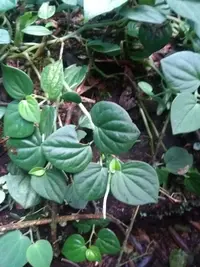
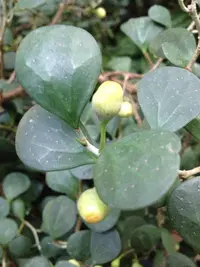
Brazilian peperomia (Peperomia urocarpa) is a compact, evergreen houseplant grown mainly for its fleshy, smooth leaves and tidy, mounding habit. It typically stays small, which makes it suitable for desks, shelves, and windowsills.
In nature, it occurs in tropical regions of South America, often growing in shaded, humid forest environments. The leaves store water, so the plant tolerates short dry spells better than constant wet soil.
Overall, it is considered a low-maintenance plant. Bright, indirect light, moderate moisture, and a freely draining potting mix are usually enough to care for Brazilian peperomia successfully.

Care Difficulty
Easy Care

Light Preference
Bright Indirect Light

Water Requirements
Moderate Water

Temperature Preference
Tropical / Frost Sensitive

Hardiness Zone
11–12

Soil Texture
Loamy, Peaty, Organic-rich

Soil pH
Acidic (5.5–6.5), Slightly acidic (6.5–7.0)

Soil Drainage
Well-drained

Fertilization
Light (every 4–6 weeks)
Scan your plant to receive care tips personalized for your specific plant
Available on iOS and Android
Peperomia urocarpa prefers bright, indirect light similar to dappled forest shade.
This species prefers slightly dry conditions and is sensitive to excess moisture around the roots.
This plant grows best in consistently warm, stable temperatures without sudden swings.
This species handles typical indoor humidity but benefits from slightly moist air.
This species prefers a loose, airy, fast-draining mix that mimics epiphytic conditions.
This plant is well suited to container culture on shelves and desks.
Peperomia urocarpa is a light feeder that benefits from modest, diluted nutrition during active growth.
Peperomia urocarpa responds well to light structural pruning to keep plants compact and healthy.
This shallow-rooted species prefers slightly snug pots and only occasional repotting.
New Peperomia urocarpa plants are most often produced from stem cuttings under warm, stable conditions.
This species is frost sensitive and needs mild, stable conditions during winter in temperate climates.

Plant Health Check
Not sure what's wrong with your plant? Check your plant's health inside the app.
This species forms very slender, almost thread-like stems with small leaves, giving the plant a fine, cascading texture that is quite different from the thicker, fleshy growth of many other peperomias.
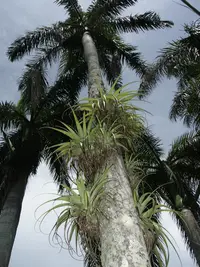
Peperomia urocarpa naturally grows as an epiphyte or lithophyte, anchoring to tree bark or rock surfaces in humid tropical forests rather than rooting in deep soil.
Its flower spikes are narrow and tail-like, carrying many tiny, closely packed flowers that later develop into small seeds along the spike surface, a typical Peperomia feature but especially noticeable on its thin, elongated inflorescences.
Brown leaf tips or patches usually come from low humidity, underwatering, or direct hot sun. Check that the potting mix dries only slightly between waterings, avoid cold drafts, and move it away from harsh midday light.
Keep your plants happy and healthy with plant identification, disease detection, and easy care guidance.

%20-%20Copy-200x143.webp)