Split Leaf Climber Care (Philodendron radiatum)

Split Leaf Climber

About Split Leaf Climber

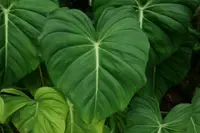
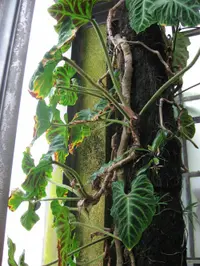
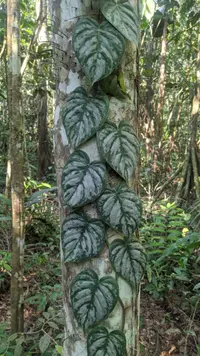
Philodendron radiatum is a tropical aroid grown mainly as an ornamental foliage plant. It is valued for its deeply lobed, glossy green leaves that develop a dramatic, sculptural look with age. The plant has a vining or climbing growth habit and often benefits from support such as a moss pole.

In nature, it occurs in humid tropical forests of Central and South America, where it grows as an understory climber. These origins make it suited to bright, indirect light, evenly moist but not waterlogged soil, and good humidity. With stable indoor conditions and basic attention, it is considered a moderate, manageable plant to care for Philodendron radiatum.

Main Plant Requirements

Care Difficulty

Moderate Care

Light Preference

Bright Indirect Light

Water Requirements

Moderate Water

Temperature Preference

Tropical / Frost Sensitive

Hardiness Zone

10–11

Soil Texture

Loamy, Peaty, Organic-rich

Soil pH

Acidic (5.5–6.5), Slightly acidic (6.5–7.0)

Soil Drainage

Moist but well-drained

Fertilization

Light (every 4–6 weeks)

Get Personalized Care Plan

Scan your plant to receive care tips personalized for your specific plant

Available on iOS and Android

How to Care for the Split Leaf Climber

This species prefers bright, indirect light that mimics a forest understory.

  • Provide 6–8 hours of bright, filtered light daily, such as near an east- or north-facing window or under light shade outdoors, which suits Philodendron radiatum well.
  • Tolerates partial shade but growth slows; leggy stems, small leaves, and wide gaps between leaves indicate insufficient light and the plant should be moved closer to the light source.
  • Avoid strong midday or afternoon sun, especially behind hot west-facing glass, as it can scorch leaves; use sheer curtains or move the plant slightly back in summer when light is most intense.

This plant prefers evenly moist but not waterlogged soil with brief drying between waterings.

  • Water when the top 2–4 cm of soil feel dry, using enough water so it drains freely from the pot or root zone, then discard any standing water to prevent root rot.
  • In spring and summer, expect to water more often as warm temperatures and active growth increase evaporation; in fall and winter, allow the soil to dry slightly deeper before watering.
  • Yellowing lower leaves, soft stems, or a sour soil smell indicate overwatering, while curling or drooping leaves and very dry, pulling-away soil point to underwatering and the need for more frequent checks.

Stable, warm conditions support steady growth and reduce stress.

  • Aim for 65–80°F (18–27°C) for best growth, avoiding sudden swings; this range supports healthy leaf expansion and root activity.
  • Protect from cold; growth slows below about 60°F (16°C), and prolonged exposure under 50°F (10°C) can cause leaf damage, while any frost can kill exposed tissue.
  • This species handles short heat spikes up to about 90°F (32°C) if humidity and airflow are good, but in hot spells provide shade, avoid hot drafts, and never place close to heaters or metal surfaces that overheat.

This species prefers moderately high humidity but tolerates typical indoor levels with minor adjustment.

  • Aim for 50–70% humidity to support large, healthy leaves and steady growth.
  • In drier air, expect brown leaf edges, curling tips, and slower unfurling of new leaves as signs of humidity stress.
  • Increase humidity with a nearby humidifier, grouping plants, or a pebble tray, rather than misting, to avoid leaf spot issues.

This aroid prefers airy, organic-rich soil that drains quickly yet retains some moisture.

  • Use a chunky mix of roughly 40% peat or coco coir, 30% fine bark, 20% perlite, and 10% compost for structure and nutrients.
  • Target a slightly acidic to neutral pH around 5.8–7.2, which supports nutrient availability for Philodendron radiatum roots.
  • Ensure rapid drainage by avoiding heavy garden soil or mixes dominated by fine peat that compact and exclude air.
  • Improve aeration by incorporating coarse perlite or bark chips so roots stay oxygenated and less prone to rot.

This species is well suited to container growing when the pot supports its climbing, spreading habit.

  • Choose a stable, wider container base to prevent tipping as stems elongate and leaves become larger and heavier.
  • Select a pot material with moderate moisture retention, such as thick plastic or glazed ceramic, to buffer against rapid drying in heated rooms.
  • Use a container that accommodates a moss pole or support stake so the plant can anchor and distribute weight more evenly above the pot.

This tropical aroid benefits from moderate feeding during its active growing season for balanced foliage growth.

  • Use a balanced liquid fertilizer (around 10-10-10 or 20-20-20) diluted to 1/4–1/2 strength for Philodendron radiatum.
  • Apply every 4–6 weeks in spring and summer on moist soil, never on completely dry roots.
  • Pause or reduce feeding to 1 light application in midwinter if growth continues under warm, bright indoor conditions.
  • Organic options like dilute compost tea or a light slow-release fertilizer in spring also support steady growth.

Thoughtful pruning keeps this climber manageable and encourages dense, healthy foliage.

  • Carry out most pruning in late winter or early spring before strong new growth starts.
  • Remove yellowing, dead, damaged, or crossing stems first to reduce disease risk and improve air flow.
  • Shorten overly long vines just above a node to compact the plant and encourage branching.
  • Use sharp, disinfected scissors or pruners and make clean cuts to limit tissue damage on Philodendron radiatum.

Container-grown plants benefit from periodic repotting to maintain root health and stable growth.

  • Repot every 2–3 years or when roots circle the pot, emerge from drainage holes, or growth slows noticeably.
  • Plan repotting for spring, when Philodendron radiatum resumes active growth and recovers faster.
  • Move to a pot 2–5 cm wider with fresh, chunky aroid mix to maintain drainage and aeration.
  • Water thoroughly after repotting, keep in bright indirect light, and avoid fertilizing for 2–3 weeks to reduce root stress.

This species is commonly multiplied by stem cuttings taken from healthy, actively growing vines.

  • Select 1–2 node stem sections with at least 1 leaf and a visible aerial root on Philodendron radiatum.
  • Take cuttings in late spring or summer for faster rooting under warm conditions (70–80°F).
  • Place nodes in water or moist, airy mix, keeping high humidity and bright indirect light.
  • Once roots reach 3–5 cm, pot cuttings into a well-draining mix and avoid heavy watering at first.

This tropical plant is frost-sensitive and needs warm, stable conditions during winter in temperate regions.

  • Maintain indoor temperatures above 60°F and avoid cold drafts, especially near windows and doors.
  • Move container plants indoors before outdoor temperatures drop below 55°F for reliable Philodendron radiatum indoor care.
  • Use sheer curtains to provide bright indirect light when days are short and sun is lower.
  • Water less often, letting the top 3–5 cm of mix dry out, and stop most fertilizing until spring.

Care Tips

Provide climbing support

Install a sturdy moss pole or textured plank when the plant is still young so aerial roots can attach and support larger, more deeply lobed leaves as it matures.

Direct aerial roots

Gently guide aerial roots toward a moist moss pole or stake and mist that support occasionally so the roots anchor quickly and improve water and nutrient uptake.

Rotate for symmetry

Rotate the pot 90° every 2–3 weeks to prevent leaning and to keep the lobed leaves evenly developed on all sides of the plant.

Seasonal repot timing

Plan any repotting or major root disturbance for mid-spring, just as new growth starts, so the plant can recover quickly and resume active growth.

Quarantine and inspect

When caring for Philodendron radiatum in a collection, keep new plants isolated for 2–3 weeks and inspect leaf undersides and petiole joints closely for pests before placing them nearby.

Common Pests and Diseases

Spider mites

This pest often appears on plants grown in warm, dry indoor air and causes stippled, dull foliage and fine webbing on leaves and petioles.

Solution

Rinse foliage thoroughly with a strong but controlled stream of lukewarm water, then increase humidity to 50–60% and improve air movement; for persistent infestations, apply a horticultural soap or neem oil spray to both leaf surfaces every 7–10 days until no new damage appears.

Mealybugs

These insects hide in leaf axils and along stems, forming white cottony clusters and causing yellowing, distorted foliage and sticky honeydew.

Solution

Isolate the plant, dab visible insects with cotton swabs dipped in isopropyl alcohol, then wash the plant with lukewarm water and use a systematic treatment of insecticidal soap or neem oil, repeating weekly until all stages are controlled.

Bacterial leaf spot

This disease produces water-soaked, translucent spots on leaves that may turn dark, sometimes with a yellow halo, especially on plants kept too wet or crowded.

Solution

Remove and discard affected leaves, let the potting mix dry slightly between waterings, improve airflow around the plant, and avoid wetting the foliage; in severe or recurrent cases, discard heavily infected plants to protect nearby aroids and support healthy Philodendron radiatum care overall.

Fungal leaf blight

Symptoms include rapidly enlarging brown patches with irregular edges that may start at the leaf margin or tip, often following episodes of prolonged leaf wetness or poor air circulation.

Solution

Prune and dispose of diseased foliage, reduce overhead watering, and increase light and airflow; in stubborn cases, use a copper-based or sulfur-based fungicide labeled for ornamental foliage plants, following label directions carefully.

Scale insects

These insects appear as small, dome-shaped brown or tan bumps on stems and leaf undersides, feeding on sap and causing general decline, yellowing, and sticky honeydew deposits.

Solution

Gently scrape or wipe off visible scale with a soft cloth or nail, rinse foliage, then apply insecticidal soap or horticultural oil to thoroughly coat stems and leaf undersides, repeating treatments every 10–14 days until new growth appears clean.

Interesting Facts

Strong climbing strategy

This species develops long, flexible aerial roots that anchor into tree bark and help the plant climb toward higher light in its native lowland tropical forests of Central and South America.

Deeply dissected leaves

Mature plants produce large leaves with deep, irregular lobes and sinuses, which increase surface area for light capture while reducing wind resistance in exposed canopy positions.

Juvenile to adult shift

The foliage changes markedly as the plant matures, starting with simpler, smaller juvenile leaves and progressing to much larger, heavily segmented adult leaves once the vine finds stable vertical support.

FAQs about Split Leaf Climber

This species is primarily a climbing aroid with a vining habit. It naturally attaches to trees or a support, producing longer internodes as it searches for something to climb, rather than forming a low, spreading ground cover.

Grow Healthy Plants with Botan Care

Keep your plants happy and healthy with plant identification, disease detection, and easy care guidance.

Botan plant care app — identify plants on mobile

Explore More Plants