Early structural training
Stake the main stem loosely when young and remove competing side shoots in the lower 20–30 cm to encourage a single strong trunk that can support future fruit load.

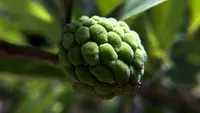
Annona amazonica is a small to medium tropical tree from lowland rainforests of the Amazon Basin. It belongs to the custard apple group and is mainly grown for its fruit in warm climates.
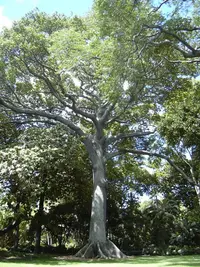
The tree usually has a rounded crown, simple green leaves, and seasonal, pale flowers that develop into fleshy, segmented fruits. In cultivation it prefers consistently warm temperatures, high humidity, and reliably moist but well-drained soil.
Light-loving yet sensitive to cold, it is best suited to tropical or protected subtropical gardens and is not ideal for beginners in cooler regions. Understanding how to care for Annona amazonica helps reduce stress from drought, root waterlogging, and sudden temperature drops.

Care Difficulty
Hard Care

Light Preference
Partial Sun

Water Requirements
Keep Soil Moist

Temperature Preference
Tropical / Frost Sensitive

Hardiness Zone
Unknown

Soil Texture
Loamy, Sandy, Organic-rich

Soil pH
Acidic (5.5–6.5), Slightly acidic (6.5–7.0)

Soil Drainage
Moist but well-drained

Fertilization
Light (every 4–6 weeks)
Scan your plant to receive care tips personalized for your specific plant
Available on iOS and Android
This tropical tree needs bright light with some protection from intense midday sun to grow and fruit well.
This species prefers evenly moist, well‑drained soil and reacts quickly to both drought and waterlogging.
This lowland tropical tree thrives in consistently warm conditions and is sensitive to cold and frost.
This species prefers consistently humid air that reflects its rainforest origin when grown in cultivation.
This species grows best in deep, loose, organic-rich soil that drains freely yet holds steady moisture.
This species can be grown in containers if given enough root volume and careful moisture management.
This tropical fruit tree benefits from moderate, targeted feeding during the warm growing season.
Thoughtful pruning helps maintain structure, light penetration, and fruiting potential in Annona amazonica.
This species is usually grown in the ground but young container plants benefit from occasional step-up potting or careful transplanting.
Propagation is most commonly done from seed, with vegetative methods used where specific traits must be preserved.
This lowland tropical tree is frost tender and needs active winter management in cooler climates.

Plant Health Check
Not sure what's wrong with your plant? Check your plant's health inside the app.
This species is native to seasonally flooded lowland forests of the central and western Amazon Basin, where it naturally copes with periodic soil saturation and high humidity.
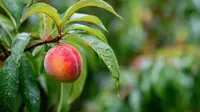
The tree produces small, green, thin-skinned fruits with soft, white, aromatic pulp and numerous seeds, eaten locally in parts of Brazil and neighboring countries, although it is far less known than commercial relatives like soursop.
Annona amazonica contributes to the very high diversity of the custard apple family (Annonaceae) in Amazonian forests, where many related species occupy slightly different microhabitats and dispersal niches.
Growth is moderate under warm, humid conditions, typically adding 30–60 cm per year once established. Cooler temperatures, low light, restricted root space, or nutrient-poor soil slow development, while consistent moisture and organic mulch usually support faster growth.
Keep your plants happy and healthy with plant identification, disease detection, and easy care guidance.