Rootzone mulching
Apply a 3–5 cm layer of clean bark mulch or wood chips over the root zone, keeping it 5–8 cm away from the trunk, to stabilize soil moisture and reduce weed competition that can slow growth.

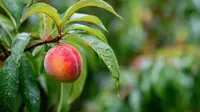
Prunus persica 'Bonanza' is a dwarf peach tree bred for compact growth and container culture. It suits small gardens, patios, and sunny balconies. The plant forms a short, branching tree with showy pink spring blossoms followed by full-sized edible peaches. Foliage is narrow and glossy green, giving a tidy, ornamental look even when not in fruit. This cultivar originates from breeding work on the common peach, which traces back to China but is now widely grown in temperate regions. It is moderately demanding, as it still needs good light, regular watering, and disease monitoring. Understanding how to care for Dwarf Peach helps maintain flowering, fruiting, and long-term health.

Care Difficulty
Moderate Care

Light Preference
Full Sun

Water Requirements
Moderate Water

Temperature Preference
Cool Climate

Hardiness Zone
5–9

Soil Texture
Sandy, Loamy, Organic-rich

Soil pH
Acidic (5.5–6.5), Slightly acidic (6.5–7.0)

Soil Drainage
Well-drained

Fertilization
Light (every 4–6 weeks)
Scan your plant to receive care tips personalized for your specific plant
Available on iOS and Android
This compact peach tree needs strong, direct light to flower and fruit well.
This dwarf peach prefers evenly moist, well-drained soil that never stays saturated.
This tree performs best with warm summers and cool winters that provide a distinct dormant period.
Humidity is not a major factor for Prunus persica 'Bonanza', which copes well in typical outdoor conditions.
Prunus persica 'Bonanza' performs best in loose, well-aerated, fast-draining mineral soil.
This dwarf peach is well suited to container growing on patios or small balconies.
Container-grown Prunus persica 'Bonanza' benefits from moderate, well-timed feeding to support flowering and fruiting.
Pruning directs growth, maintains size, and improves fruit quality in Prunus persica 'Bonanza'.
Dwarf container trees need occasional repotting to prevent root binding and maintain vigor.
Prunus persica 'Bonanza' is usually propagated by grafting onto dwarfing rootstocks to maintain its characteristics.
Compact growth makes this dwarf peach manageable in winter, but cold and freeze-thaw cycles can still cause damage.

Plant Health Check
Not sure what's wrong with your plant? Check your plant's health inside the app.
This cultivar is a true genetic dwarf peach, meaning its compact size comes from inherited growth traits rather than heavy pruning or growth regulators, yet it still produces full-size peaches.
It was selected specifically to fruit reliably in containers and small spaces, and under suitable conditions can produce a usable crop on a plant that stays around 1.2–1.5 m tall.
The plant bears showy, early spring pink blossoms that are self-fertile, so a single tree can set fruit without a second peach cultivar for cross-pollination.

This cultivar was developed for patio and balcony cultivation, making it one of the earliest widely available peach varieties specifically bred to allow urban gardeners to grow Prunus persica in very limited space.
Yellowing foliage usually comes from overwatering, poor drainage, nutrient deficiency (especially nitrogen or iron), or root stress. Check soil moisture, improve drainage, and consider a soil test before adjusting fertilizer to correct specific deficiencies.
Keep your plants happy and healthy with plant identification, disease detection, and easy care guidance.