Deep container choice
Select a deep, heavy container with strong drainage holes so the long taproot can develop straight and the pot will not tip as the tree gains height.

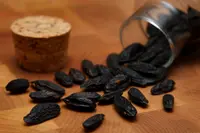
Tonka bean (Dipteryx odorata) is a tropical, leguminous tree known for its fragrant seeds used in perfumery and flavoring in some regions. In cultivation it is usually grown as a small tree or large shrub with glossy green leaves and a dense canopy.
It is native to northern South America, especially Venezuela, Brazil, and surrounding areas, where it grows in warm, humid forests. The plant prefers bright light, evenly moist but well-drained soil, and protection from cold.
Its slow to moderate growth, size, and warm temperature needs can make it more challenging for beginners. Understanding how to care for tonka bean helps maintain steady growth and healthy foliage over time.

Care Difficulty
Hard Care

Light Preference
Full Sun

Water Requirements
Moderate Water

Temperature Preference
Tropical / Frost Sensitive

Hardiness Zone
11–12

Soil Texture
Sandy, Loamy, Organic-rich

Soil pH
Acidic (5.5–6.5), Slightly acidic (6.5–7.0)

Soil Drainage
Well-drained

Fertilization
Minimal (feed rarely)
Scan your plant to receive care tips personalized for your specific plant
Available on iOS and Android
This tropical tree prefers bright, indirect light with some direct sun, especially in cooler hours.
This species needs evenly moist but well-drained soil and does not tolerate standing water.
This tropical tree thrives in warm, frost-free conditions throughout the year.
This species prefers moderately humid air but copes reasonably well with typical indoor levels.
This tree needs deep, well-drained, slightly acidic to neutral soil to establish a stable root system.
This species can be grown in large containers when young, mainly in warm outdoor settings.
Dipteryx odorata benefits from light, balanced nutrition in active growth but is not a heavy feeder.
Pruning Dipteryx odorata is mainly done to maintain structure and remove unhealthy wood.
This species is usually grown as a landscape tree, so management focuses on careful transplanting of young specimens.
Propagation of Dipteryx odorata is typically done by seed and demands warm, stable conditions.
This tropical tree is frost-sensitive and needs protection in climates with cool or freezing winters.

Plant Health Check
Not sure what's wrong with your plant? Check your plant's health inside the app.
The seeds are one of the richest natural sources of coumarin, an aromatic compound that gives a strong vanilla‑almond‑hay scent and is widely used in perfumery and flavor research, though its food use is regulated in many countries due to liver toxicity at high doses.
In its native Amazon forests, the large, hard fruits are primarily opened and dispersed by agoutis, rodents that gnaw through the shell, eat some of the seeds, and bury others, which helps new trees establish away from the parent.
The wood, often traded as cumaru or Brazilian teak, is extremely dense and resistant to decay and insects, which has made it a valued but conservation‑sensitive timber in tropical forestry.

This species often acts as a nectar source for bats and nocturnal insects when in flower, contributing to night‑time pollination networks in lowland Amazonian ecosystems and supporting a wide range of animal species that are active after dark.
Yes. Seeds need scarification or nicking plus warm, consistently moist conditions to germinate, which can take several weeks. Fresh, fully ripe seeds sprout best. Provide bright light, stable warmth, and good air circulation for seedlings.
Keep your plants happy and healthy with plant identification, disease detection, and easy care guidance.