Mulch To Cool
Apply a 5–8 cm layer of pine bark or pine needle mulch over the root zone, keeping it 5–8 cm away from the stem, to keep roots cool, conserve moisture, and maintain a slightly acidic surface environment.

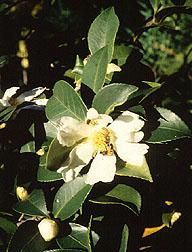
Tea-oil camellia, Camellia oleifera, is an evergreen shrub or small tree prized for its glossy foliage, white flowers, and oil-rich seeds. It has a dense, rounded habit and can form a neat hedge or a small specimen tree in mild climates.
This species is native to southern China and nearby regions, where it is cultivated for tea seed oil used in cooking and cosmetics. It is generally considered moderately easy to grow if its need for acidic, well-drained soil and even moisture is met.
Good airflow, shelter from harsh winds, and light shade in hotter areas support healthy growth and simplify how to care for Tea-oil Camellia.

Care Difficulty
Moderate Care

Light Preference
Partial Shade

Water Requirements
Regular Water

Temperature Preference
Cool Climate

Hardiness Zone
7–9

Soil Texture
Loamy, Sandy, Organic-rich

Soil pH
Strongly acidic (4.5–5.5), Acidic (5.5–6.5)

Soil Drainage
Moist but well-drained

Fertilization
Light (every 4–6 weeks)
Scan your plant to receive care tips personalized for your specific plant
Available on iOS and Android
Camellia oleifera prefers bright, gentle light rather than intense, all-day sun.
This shrub needs steadily moist but not saturated soil, especially during active growth and flowering.
This species prefers mild climates with cool winters and avoids extreme heat or severe freezes.
This species prefers moderately humid air and reacts to extended dry indoor conditions.
Camellia oleifera grows best in loose, acidic, well-drained soil with high organic content.
This shrub is suitable for container growing when given enough root space and stable drainage.
Camellia oleifera benefits from moderate, well-timed feeding rather than heavy fertilization.
Camellia oleifera responds well to light, timed pruning that maintains structure and flowering wood.
Transplanting is most important for young Camellia oleifera plants that are outgrowing nursery containers or crowded sites.
Camellia oleifera is most often propagated by semi-hardwood cuttings, with seeds also used for breeding or rootstock.
Mature Camellia oleifera is fairly cold hardy but benefits from basic winter preparation, especially in colder regions.

Plant Health Check
Not sure what's wrong with your plant? Check your plant's health inside the app.
This species is the principal plant used in China to produce tea seed oil, an edible oil pressed from the seeds that has been cultivated and used for cooking for many centuries.
Its seeds yield an oil naturally rich in oleic acid, a monounsaturated fatty acid also abundant in olive oil, which gives the oil good oxidative stability and a relatively long shelf life.
In parts of southern China it is widely planted on hillsides and marginal lands, where its deep, fibrous root system helps reduce soil erosion while providing a long-term oilseed crop.

Camellia oleifera has been domesticated for oil production for over 1,000 years in East Asia, leading to many locally selected landraces that are still maintained in traditional agroforestry systems alongside food and timber trees.
Yes. This shrub adapts well to large containers with good drainage. Use an acidic, peat-free, woody plant mix, keep roots cool and moist, and repot every 3–4 years or when rootbound. Containers limit ultimate size.
Keep your plants happy and healthy with plant identification, disease detection, and easy care guidance.