Mangrove Care (Avicennia officinalis)

Also known as: Indian Mangrove
Mangrove

About Mangrove

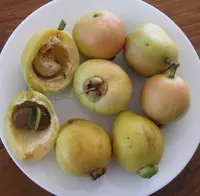
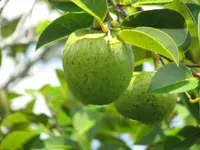
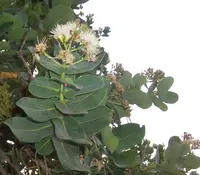
Mangrove, Avicennia officinalis, is a true mangrove tree adapted to tidal shorelines and estuaries. It forms dense stands with sturdy trunks, spreading crowns, and distinctive pencil-like aerial roots. Leaves are thick, oval, and often salt-crusted, reflecting its ability to tolerate very salty, waterlogged conditions. The tree produces small, pale flowers and fleshy, buoyant fruits that disperse by water. In nature, it stabilizes muddy coasts and provides habitat for fish, birds, and invertebrates. For those who want to care for Mangrove in controlled settings, its need for saline water, strong light, and constantly moist, oxygen-poor substrates makes it a specialized plant better suited to experienced growers and biotope-style aquaria or coastal plantings.

Main Plant Requirements

Care Difficulty

Hard Care

Light Preference

Full Sun

Water Requirements

Aquatic

Temperature Preference

Tropical / Frost Sensitive

Hardiness Zone

11–12

Soil Texture

Sandy, Silty, Organic-rich

Soil pH

Neutral (7.0), Slightly alkaline (7.0–7.5)

Soil Drainage

Waterlogged tolerant

Fertilization

Minimal (feed rarely)

Get Personalized Care Plan

Scan your plant to receive care tips personalized for your specific plant

Available on iOS and Android

How to Care for the Mangrove

This coastal species needs strong light to support dense growth and healthy leaves.

  • Provide 6–8 hours of direct sun daily, ideally strong morning to early afternoon sun in open coastal or riverside sites.
  • Tolerates light partial shade, but growth becomes sparser and internodes longer if daily direct sun drops below about 4 hours.
  • In exposed tropical locations, young Mangrove plants benefit from some protection from the harshest midafternoon sun to reduce leaf scorch and moisture stress.

This mangrove is adapted to waterlogged, saline conditions rather than typical garden watering routines.

  • In natural or constructed tidal zones, allow roots to experience regular flooding and draining; soil or sediment should never fully dry out.
  • For controlled beds or nurseries, keep substrate consistently saturated, letting only the top 1–2 cm feel slightly less wet between inundations.
  • Overwatering in non-saline, poorly aerated soil causes root decline; underwatering shows as dull, curling leaves and slowed new shoot extension.

This species thrives in warm, frost-free climates typical of lowland tropical coasts.

  • Optimal growth occurs around 77–95°F (25–35°C), with warm air and water supporting active root and shoot development.
  • Tolerates short hot spells up to about 104°F (40°C) if soil or tidal water is available to prevent prolonged root drying.
  • Below 50°F (10°C) growth slows sharply; brief drops near 41°F (5°C) may be survived, but any frost causes serious tissue damage or death.

This coastal mangrove tolerates a wide humidity range but performs best in consistently moist air.

  • Aim for 60–80% humidity for vigorous growth, especially in warm conditions.
  • Tolerates brief dips to 40–50%, but prolonged dry indoor air slows growth and can desiccate leaf tips.
  • Humidity stress shows as crisp edges, stalled new leaves, and salt crust; use trays of water, room humidifiers, or grouped plants to increase moisture around the canopy.

Avicennia officinalis needs saturated, salty, oxygen-poor substrates in nature, but container culture uses a carefully adapted mix.

  • Use a coarse sandy mix with 40–60% washed sand, 20–30% composted organic matter, and 20–30% inert grit for structure.
  • Keep the lower zone constantly wet while allowing the upper 2–3 cm to stay looser and better aerated.
  • Target slightly alkaline conditions around pH 7.5–8.5, adding marine salt solution if replicating true mangrove conditions outdoors.
  • Avoid peat-heavy, compacted, or fully free-draining potting mixes that dry out quickly or exclude air under waterlogged conditions.

This species can be grown in containers for specialized or experimental setups when stability and water management are well controlled.

  • Choose a wide, heavy container that resists tipping as the plant develops a woody, wind-exposed canopy.
  • Use a double-vessel system, with the inner pot perforated and standing in an outer water reservoir to simulate tidal saturation while keeping some aeration.
  • Place the container where its weight can be supported permanently, since continuous waterlogging and saline solutions make the setup unusually heavy.

This coastal mangrove tree generally needs minimal feeding when grown in native, tidal, nutrient-rich substrates.

  • In containers, use a balanced slow-release fertilizer (for example 10-10-10) at 1/2 strength at the start of the warm growing season.
  • Supplement with light applications of well-rotted compost around the root zone, keeping it off the trunk base.
  • Feed only 1–2 times during the active season; excess nutrients can harm saline-adapted roots and nearby waterways.
  • Stop fertilizing in late fall and avoid winter feeding to allow growth to slow and wood to harden.

Pruning Avicennia officinalis is mainly done to remove damaged material and guide structure in managed plantings.

  • Carry out structural pruning at the end of the dry or cooler season, before vigorous new growth begins.
  • Remove dead, diseased, crossing, or inward-growing branches to improve airflow and canopy stability.
  • Use clean, sharp loppers or a pruning saw to make smooth cuts just outside the branch collar.
  • Limit height or spread gradually over several seasons to reduce stress and maintain a strong framework.

In cultivation, this mangrove is more often transplanted from nursery containers into coastal or brackish sites than kept long term in pots.

  • Transplant at the beginning of the warm growing season, when soil temperatures are rising and frost risk is gone.
  • Look for roots circling the container or emerging from drainage holes, along with slowed top growth, as cues to move up a size.
  • Shift to a container or site only 1–2 sizes larger, using a saline-tolerant, very free-draining mix mimicking coastal mud or sand.
  • Water thoroughly with brackish or slightly saline water after transplanting, shade lightly, and reduce wind exposure for 1–2 weeks to limit shock.

Avicennia officinalis is typically propagated from seeds collected from mature coastal trees in managed restoration or nursery settings.

  • Harvest fully developed, healthy fruits at the end of the wet or warm season, when they begin to turn from bright green to duller tones.
  • Sow fresh seeds promptly in shallow trays or pots filled with a saline-tolerant, free-draining sandy mud mix.
  • Maintain consistently moist but not stagnant conditions, using brackish water and bright light with some protection from harsh midday sun.
  • Transplant young seedlings to larger containers or nursery beds once they develop several true leaves and a firm root system.

This tropical mangrove is not frost hardy and needs warm, frost-free conditions for long-term survival.

  • In regions below 50°F, grow Avicennia officinalis in large containers so it can be moved under cover for winter.
  • Bring container plants indoors or into a heated greenhouse before night temperatures drop near 55°F.
  • Reduce watering in cool months, keeping the saline substrate just lightly moist without waterlogging.
  • In marginal coastal climates, use windbreaks and raised beds to keep roots warmer and improve drainage.

Care Tips

Salinity acclimation

When moving plants between different salinity levels, reduce or increase salt concentration in the water by small increments over 5–7 days to avoid salt shock and leaf drop.

Root zone aeration

In container culture, drill several side holes just above the sediment line to allow periodic water exchange and oxygen entry, which helps prevent anaerobic root rot in this halophytic species.

Tidal cycle simulation

For advanced setups, run a simple timer-controlled pump that floods and drains the container once or twice daily to mimic natural tidal flushing and maintain healthier pneumatophores and root tissues.

Pneumatophore protection

Leave aerial roots (pneumatophores) exposed above the sediment surface and avoid stepping on or compacting the surrounding substrate, as damage here quickly reduces gas exchange in waterlogged soils when caring for Mangrove.

Sediment stability

Use a heavy, fine to medium sand or mud mix and top it with a thin layer of coarser sand to reduce erosion from water movement while still allowing roots to anchor and spread effectively.

Common Pests and Diseases

Leaf miner larvae

This pest creates winding, pale tunnels inside young leaves, which can lead to premature leaf drop in stressed trees. Symptoms include serpentine mines that follow the main veins of the leaf.

Solution

Remove and destroy heavily mined leaves on young or nursery plants to reduce the local population. Encourage natural predators where possible, avoid excessive nitrogen fertilization that promotes very soft new growth, and in nursery settings use targeted systemic insecticides or biologicals according to label directions if damage is severe.

Scale insects

These insects attach to stems and leaf midribs, sucking sap and weakening the tree, especially in sheltered or less tidal sites. Symptoms include small, dome-shaped or flattened bumps and sticky honeydew that can lead to sooty mold growth.

Solution

Prune out and dispose of heavily infested twigs on young plants and scrub small stems gently with a soft brush and brackish or fresh water to remove scales. For nursery or managed plantings, apply a horticultural oil spray during cooler parts of the day to smother juveniles, repeating as needed while improving plant vigor with appropriate water and salinity management.

Sooty mold

This disease is a superficial fungal growth that develops on honeydew excreted by sap-sucking insects such as scale or mealybugs. Symptoms include black, soot-like coating on leaves and twigs that can reduce photosynthesis but usually does not invade plant tissues.

Solution

Control the underlying honeydew-producing insects first, then rinse affected foliage with clean water or gently wipe leaves to improve light penetration. In nursery or landscape situations with heavy buildup, improve canopy airflow by selective pruning and avoid overhead irrigation that keeps foliage wet for long periods.

Leaf spot

This disease causes scattered dark brown to black lesions on leaves, often with yellow halos, and may lead to early shedding of older foliage in stressed trees. Symptoms include spots that may coalesce into larger necrotic patches under prolonged humidity or overcrowded nursery conditions.

Solution

Remove and discard heavily spotted fallen leaves from nursery or planted areas to lower inoculum levels, and space plants to improve air movement. If outbreaks persist in propagation beds, reduce overhead watering, water early in the day, and use an appropriate broad-spectrum fungicide labeled for ornamental tree seedlings, following all safety and timing instructions.

Wood-boring beetles

These insects tunnel into trunks and larger branches, especially in weakened or water-stressed mangroves, disrupting sap flow and predisposing wood to breakage. Symptoms include small round or oval exit holes, frass (fine sawdust) on bark, and branch dieback.

Solution

Remove and destroy severely infested branches and avoid mechanical injuries that attract borers. Maintain good site conditions for growing Mangrove, including correct salinity and water levels, and in high-value plantings consider trunk banding or targeted systemic treatments under guidance from a local forestry or mangrove specialist if infestations are recurrent.

Interesting Facts

Pneumatophores with salt glands

This species develops dense stands of pencil-like aerial roots called pneumatophores that help it breathe in oxygen-poor mud, and its leaves carry specialized salt glands that excrete excess salt onto the leaf surface.

Early-succession shoreline pioneer

It typically occupies the seaward or creek-facing edge of mangrove forests in South and Southeast Asia, stabilizing new mudflats and helping trap sediments that later allow other, less salt-tolerant mangrove species to establish.

Buoyant, long-lived propagules

Its elongated, cigar-shaped propagules (seedlings that germinate while still attached to the parent tree) can float and remain viable in seawater for extended periods, enabling dispersal across estuaries and along tropical coastlines.

Botan icon

Did you know?

Wood from this species has historically been valued in coastal communities for fuel and charcoal production, yet its ecological importance in protecting shorelines from erosion now leads many conservation programs to prioritize it in mangrove restoration projects.

FAQs about Mangrove

This species grows relatively fast in warm, saline coastal conditions, often adding 30–60 cm of height per year. Growth slows in cooler climates, low salinity, compacted soil, or shaded sites with reduced water movement.

Grow Healthy Plants with Botan Care

Keep your plants happy and healthy with plant identification, disease detection, and easy care guidance.

Botan plant care app — identify plants on mobile

Explore More Plants