Maritime Pine Care (Pinus pinaster)

Also known as: cluster pine, seaside pine
Maritime Pine

About Maritime Pine

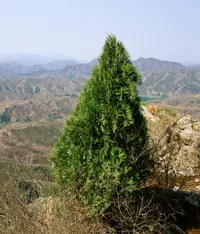
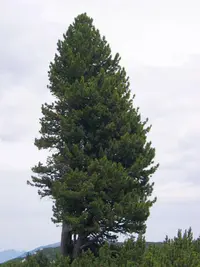
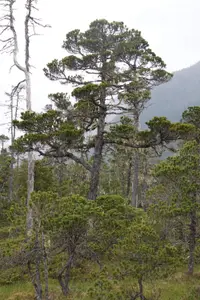
Maritime pine, Pinus pinaster, is a fast-growing evergreen conifer known for its tall, straight trunk and broad, open crown. It bears long, paired needles and large, woody cones that stay on the tree for many years.

This species is native to coastal regions of southwestern Europe and North Africa, where it is adapted to sandy, often poor soils and windy, salty conditions. Its toughness and drought tolerance make it relatively easy to establish in similar climates, but it needs plenty of sun and well-drained soil.

Understanding how to care for Maritime Pine starts with providing strong light, avoiding heavy waterlogged ground, and giving enough space for its extensive root system and mature size.

Main Plant Requirements

Care Difficulty

Moderate Care

Light Preference

Full Sun

Water Requirements

Low Water

Temperature Preference

Warm Climate

Hardiness Zone

8–10

Soil Texture

Sandy, Loamy, Rocky

Soil pH

Acidic (5.5–6.5), Slightly acidic (6.5–7.0)

Soil Drainage

Well-drained

Fertilization

Minimal (feed rarely)

Get Personalized Care Plan

Scan your plant to receive care tips personalized for your specific plant

Available on iOS and Android

How to Care for the Maritime Pine

This sun-loving pine performs best in open, exposed sites with long daily light periods.

  • Provide 6–10 hours of direct sun daily; full sun from morning through late afternoon supports dense growth and strong trunks.
  • Maritime Pine tolerates light partial shade, but trees in sites with less than 4–5 hours of direct sun become sparse, with elongated, weaker shoots.
  • In hot inland summers, prioritize morning sun and avoid newly planted trees facing intense reflected afternoon heat that can scorch needles and dry roots rapidly.

This species prefers deep, infrequent watering once roots are established.

  • For young trees, water when the top 5–8 cm of soil are dry, applying a slow, deep soak so moisture reaches 20–30 cm; avoid shallow sprinkling.
  • In well-drained sandy or loamy soil, reduce frequency in cool, rainy seasons and increase only during extended heat or drought, allowing soil to dry between events.
  • Watch for yellowing needles and soft, waterlogged soil as signs of overwatering; browning tips and very dry, crumbly soil point to underwatering, especially on exposed sites.

This Mediterranean pine tolerates a wide temperature range but responds best to mild, warm conditions.

  • Active growth is strongest around 60–80°F (16–27°C); young trees establish fastest in sites that avoid sudden swings outside this band.
  • Mature Pinus pinaster can withstand short drops to about 10–15°F (-12–-9°C), but extended hard freezes and cold, saturated soil raise the risk of root damage.
  • In hot climates, it endures summer highs of 90–100°F (32–38°C) if soil is not compacted and roots are mulched; dry, hot winds increase needle scorch on newly planted trees.

This species tolerates a wide humidity range and usually is not sensitive to indoor air moisture levels.

Pinus pinaster prefers light, fast-draining soil that mimics its native coastal and sandy habitats.

  • Use a sandy or sandy-loam mix with 40–60% coarse sand or grit to prevent waterlogging.
  • Keep pH slightly acidic to neutral (pH 5.5–7.0), avoiding strongly alkaline or saline substrates.
  • Incorporate a small portion of composted bark or fine pine bark to add structure without making the mix heavy.
  • Avoid compacted clay soils; improve aeration by blending in horticultural grit or perlite to keep pores open.

This pine can be grown in containers for the first years, but long-term growth is limited by root space and stability.

  • Choose a deep, heavy container to counteract wind topple from its upright, eventually top-heavy growth.
  • Allow extra surface diameter so the wide-spreading root system can develop without circling tightly.
  • Use a mineral-rich, fast-draining mix and elevate the pot slightly so drainage holes never sit in collected runoff.

Pinus pinaster usually needs minimal feeding once established, especially in the ground.

  • For young trees or poor soils, use a balanced slow-release NPK fertilizer in spring at half the label rate.
  • Apply once per growing season; avoid mid-summer and late-fall applications to prevent soft, frost-tender growth.
  • Organic compost lightly worked into the soil surface can support growing Maritime Pine without excessive nutrients.
  • Do not fertilize in winter; pause feeding when growth slows and soil temperatures are low.

Pruning Pinus pinaster is mainly structural and corrective rather than frequent shaping.

  • Best time is late winter to early spring before active growth starts.
  • Remove dead, diseased, crossing, or storm-damaged branches using clean, sharp bypass pruners or a pruning saw.
  • Limit cuts to smaller branches to preserve the natural form and stable central leader.
  • Avoid cutting back into old bare wood; shorten only the current or recent season’s growth to influence shape.

Maritime pine is usually grown in the ground, so care focuses on careful transplanting rather than frequent repotting.

  • Transplant in late winter or early spring when the tree is dormant and soil is workable.
  • Move only when roots circle the pot, growth slows, or the tree is clearly outgrowing the container or site.
  • Choose a sunny, well-drained location; dig a wide hole, keeping the root ball intact to reduce root stress.
  • Plant at the same soil level, backfill gently, water deeply, and keep soil evenly moist for the first growing season.

Pinus pinaster is typically propagated from seed, with vegetative methods used mainly in specialist settings.

  • Collect mature cones, dry them until seeds release, and store cool and dry until sowing.
  • Sow seeds in late winter to early spring in a gritty, free-draining mix, barely covered with substrate.
  • Provide 60–70°F, bright light, and steady moisture without waterlogging to encourage germination.
  • Seedlings should be pricked out gently into individual pots once they develop several true needles.

This pine is generally cold hardy in much of its range and needs only modest winter attention once established.

  • Young or newly planted trees benefit from 5–8 cm of mulch over the root zone, kept away from the trunk.
  • In very cold or windy sites, use a breathable windbreak to limit desiccation of needles.
  • Container-grown trees in colder zones can be moved to a sheltered, unheated but frost-moderated spot.

Care Tips

Wind-hardening young trees

Stake only the lowest 1/3 of the trunk and use flexible ties so the tree can move in the wind, which encourages a strong root system and sturdy trunk development in exposed coastal or open sites.


Salt and spray management

In coastal areas, lightly hose foliage with fresh water after salt-laden storms and maintain a 5–8 cm mulch ring to reduce salt splash from soil onto lower needles.

Formative leader training

During the first 3–5 years, select and retain a single strong central leader and remove or shorten competing uprights in late winter to build a stable long-term structure.

Fire-resilient spacing

When planting several trees, keep wide spacing and maintain a debris-free zone under the canopy by periodically removing dry lower branches and accumulated needle litter to lower fire risk.

Soil compaction control

Keep heavy foot traffic, vehicles, and repeated mowing away from the root zone and, if soil becomes compacted, use a garden fork to gently aerate the top 10–15 cm between the dripline and beyond to support healthy root function when growing Maritime Pine.

Common Pests and Diseases

Pine processionary moth

This pest is a defoliating caterpillar that feeds heavily on needles, reducing vigor and stressing the tree. Symptoms include bare branch tips, silken nests on branches, and lines of hairy caterpillars moving in procession.

Solution

Monitor trees in late winter and early spring for nests and caterpillars and prune out and destroy infested branches where safe to do so. In larger plantings, use pheromone traps and, if needed, targeted biological insecticides based on Bacillus thuringiensis applied according to local regulations and recommended timing to protect new needle growth.

Maritime pine bast scale

These insects are small sap-sucking scale pests that colonize bark and branches, excreting honeydew that can lead to sooty mold growth. Symptoms include twig dieback, cracked or distorted bark, and darkened patches where scales cluster.

Solution

Inspect trunks and branches regularly and prune out severely infested twigs. For lighter infestations, scrub accessible bark with a soft brush and water to remove scales, and where allowed use horticultural oils during the dormant or cool season to smother remaining insects while avoiding application during high heat or drought stress.

Red band needle blight

This disease is a serious fungal infection of needles that causes reddish bands, premature needle drop, and progressive thinning of the crown. Symptoms include tan to brown needle tips with distinct red bands and trees that look sparse from the lower crown upward.

Solution

Collect and destroy fallen needles and heavily infected lower branches to reduce spore sources, and avoid overhead irrigation that wets foliage for long periods. In high-risk areas, maintain good spacing and airflow, and consult local forestry or extension services about the timing of preventive fungicide sprays on valuable or high-density plantings as part of wider Pinus pinaster care instructions.

Fusarium seedling damping-off

This disease affects young seedlings in nurseries or freshly planted stock, causing stem constriction at soil level, yellowing, and collapse. Symptoms include water-soaked lesions at the stem base and rapid wilting and death of small plants.

Solution

Use sterile, well-drained substrates and only healthy, treated seed, and avoid overwatering and overcrowding in nursery trays. Remove and discard affected seedlings promptly and, if damping-off is recurrent, rotate to fresh media and containers and consider labeled seed or substrate fungicide treatments under professional guidance.

Blue stain fungus

This disease is caused by fungi carried mainly by bark beetles that colonize the sapwood, disrupting water transport and predisposing trees to decline. Symptoms include blue-gray staining in the wood, reduced resin flow, and often association with bark beetle galleries under the bark.

Solution

Keep trees vigorous with proper spacing and minimal mechanical damage, and remove and process storm-damaged or freshly cut logs quickly so they do not attract beetles. In plantations or larger landscapes, use prompt sanitation felling of heavily infested trees and follow local guidelines on bark beetle monitoring and, where appropriate, pheromone trapping to reduce spread.

Interesting Facts

Coastal wind specialist

This maritime pine develops a strong taproot and flexible trunk that allow it to withstand intense coastal winds and sandy, shifting soils along Atlantic shorelines.

Fire-adapted regeneration

Its cones are serotinous, meaning many remain closed until exposed to high heat from fire, which then releases seeds onto newly cleared, nutrient-rich ground.

Major resin producer

The species has been widely used in southwestern Europe as a commercial source of resin for turpentine and rosin, due to its high resin yield and fast growth.

Botan icon

Did you know?

Large-scale plantations of Pinus pinaster in the Landes region of France transformed former coastal marshes and dunes into one of the largest man-made forest areas in Western Europe, reshaping both the local landscape and economy.

FAQs about Maritime Pine

This species is generally fast-growing, often adding 30–60 cm of height per year in early life if light, drainage, and space are adequate. Growth slows as it matures and in compacted, dry, or nutrient-poor sites.

Grow Healthy Plants with Botan Care

Keep your plants happy and healthy with plant identification, disease detection, and easy care guidance.

Botan plant care app — identify plants on mobile

Explore More Plants