Nikko Fir Care (Abies homolepis)

Nikko Fir

About Nikko Fir

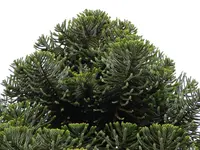
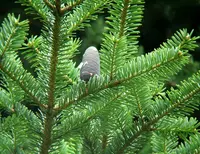
Nikko fir, Abies homolepis, is an evergreen coniferous tree valued for its neat, pyramidal shape and soft, flattened needles with silvery undersides. It forms strong horizontal branches and dense foliage, giving a refined, architectural appearance in larger gardens and landscapes.

This species is native to cool, mountainous regions of Japan, where it grows in moist, well-drained forest soils. It is generally hardy and wind tolerant but prefers consistent moisture and avoids extreme heat or drought.

Because of its steady growth and relatively low pest pressure, many gardeners find it straightforward to care for Nikko Fir when planted in cool climates with good light and drainage.

Main Plant Requirements

Care Difficulty

Moderate Care

Light Preference

Full Sun

Water Requirements

Regular Water

Temperature Preference

Cold Hardy

Hardiness Zone

4–7

Soil Texture

Sandy, Loamy, Clay

Soil pH

Strongly acidic (4.5–5.5), Acidic (5.5–6.5)

Soil Drainage

Moist but well-drained

Fertilization

Minimal (feed rarely)

Get Personalized Care Plan

Scan your plant to receive care tips personalized for your specific plant

Available on iOS and Android

How to Care for the Nikko Fir

Abies homolepis prefers cool, bright conditions similar to its native mountain forests.

  • Provide 4–6 hours of direct morning sun with light or dappled shade in the afternoon, especially in warmer climates.
  • Tolerates partial shade, but dense shade reduces growth density and can cause sparse, elongated shoots over several seasons.
  • In hot, low-humidity areas, protect Nikko Fir from intense summer afternoon sun to reduce needle scorch and stress.

Abies homolepis needs steady soil moisture without prolonged saturation.

  • In the ground, water deeply when the top 5–8 cm of soil feels dry, aiming for a slow soak that reaches the root zone.
  • Use well-drained, slightly acidic soil; avoid sites where water stands for more than 12–24 hours to prevent root rot and needle yellowing.
  • In summer drought, look for drooping or dull needles as a cue to water; in cooler months, reduce frequency but never let soil bake hard-dry.

This species is a cool-temperate conifer adapted to cold winters and mild summers.

  • Optimal growth occurs around 50–75°F (10–24°C), with the best vigor in areas with cool summers and consistent moisture.
  • Mature trees tolerate winter lows near -20°F (-29°C), but young plants benefit from wind protection during severe cold snaps.
  • Heat above 85–90°F (29–32°C) can stress foliage; provide mulch and adequate moisture during hot spells to moderate root and soil temperatures.

This species prefers cool, moderately moist air but usually tolerates typical outdoor humidity in temperate regions.

  • Aim for 40–60% humidity in the root-zone microclimate, such as near mulched, moist but not wet soil.
  • Dry, hot, windy air can brown needle tips and increase spider mite risk, especially on young Nikko Fir trees.
  • Increase local humidity by using organic mulch over the root zone and providing light, regular misting only during very dry, windy periods.

Abies homolepis grows best in deep, cool, well-drained, moisture-retentive soil.

  • Use a loamy structure with plenty of organic matter; mix garden soil with compost and fine bark to improve moisture holding and root penetration.
  • Ensure drainage is steady but not rapid; slightly sloping sites or raised beds prevent waterlogging yet keep the subsoil cool.
  • Target a slightly acidic to neutral pH around 5.5–7.0, avoiding strongly alkaline soils that can cause nutrient deficiencies and chlorosis.
  • For compacted or heavy clay sites, incorporate coarse sand or fine grit and additional compost into the top 30–40 cm to improve aeration and drainage, avoiding low-lying, saturated spots.

This species can be grown in containers only as a temporary or juvenile specimen, because mature trees outgrow pots quickly.

  • Choose a tall, heavy container to accommodate the developing taproot and reduce tipping from wind as the tree gains height.
  • Select thick-walled or clay pots in exposed sites to buffer root temperature swings and prevent rapid drying of the substrate.
  • Anchor the container or group it with other heavy pots to improve stability as the crown becomes top-heavy relative to the root ball.

This species usually grows well in the ground with minimal feeding, but light fertilization can support young or container-grown Nikko Fir.

  • Apply a balanced slow-release conifer fertilizer (for example 10-10-10) at half label rate in early spring.
  • Use a thin layer of well-rotted compost over the root zone once a year to boost soil organic matter.
  • Avoid summer and winter feeding; stop fertilizing by mid-summer to allow shoots to harden before cold weather.

Abies homolepis needs only light, occasional pruning to maintain health and natural form.

  • Carry out pruning in late winter or very early spring before new growth starts.
  • Remove dead, diseased, crossing, or storm-damaged branches using clean, sharp bypass pruners or a pruning saw.
  • Avoid cutting the central leader; preserving it maintains the characteristic pyramidal shape and strong structure.
  • Limit cuts to small branches to reduce stress and the risk of decay at large wounds.

This fir is usually planted directly in the ground, with transplanting focused on young trees rather than long-term container culture.

  • Transplant in late fall or early spring when soil is workable and temperatures are cool.
  • Move when roots start circling the pot, growth slows, or the tree becomes top-heavy in its container.
  • Choose a wider, well-drained site or container, keeping the root flare level with the soil surface.
  • Water thoroughly before and after planting, shade the tree from harsh sun for 1–2 weeks, and maintain even moisture to reduce transplant shock.

Abies homolepis is mainly propagated by seed, with vegetative methods used more rarely and requiring controlled conditions.

  • Collect ripe cones in late summer to early fall and extract seeds once dry.
  • Provide cold stratification at about 34–41°F for 6–8 weeks to improve germination.
  • Sow seeds in a free-draining conifer mix, just covered, and keep evenly moist in bright, indirect light.
  • Allow seedlings to grow 1–2 years in containers before planting out, hardening them off gradually outdoors.

This cold-hardy fir generally needs minimal winter care once established in the landscape.

  • Young trees benefit from 5–8 cm of mulch over the root zone, kept away from the trunk, to moderate soil temperature.
  • Water well before the ground freezes, especially after dry autumn weather, to reduce winter desiccation.
  • Container-grown plants in cold regions should be moved to a sheltered, unheated but frost-moderated area or the pot heavily insulated.

Care Tips

Windfirming Young Trees

In exposed sites, loosely stake young trees for 1–2 years and periodically hand-bend the leader and main branches in the wind direction to encourage a flexible, windfirm structure rather than a rigid, easily snapped crown.

Leader Preservation

Inspect the central leader each late winter and protect it from breakage by snow or animals using a breathable tree guard or tripod of canes, since loss of the leader permanently distorts the classic conical form.

Mulch Ring Management

Maintain a 5–10 cm deep mulch ring that extends at least to the drip line, keeping mulch 5–8 cm away from the trunk to stabilize soil moisture, reduce mower damage, and limit root competition from turf.

Snow Load Control

Before heavy snowfall, gently tie up the outer whorls of branches with soft, wide ties in a loose spiral to reduce snow accumulation and prevent splitting where branches join the trunk.

Root Zone Protection

Keep the root zone free from soil compaction by avoiding regular foot traffic, vehicles, or heavy equipment under the canopy, and install a simple barrier or path edging if needed to protect fine feeder roots important for Abies homolepis care.

Common Pests and Diseases

Adelgid aphids

This pest feeds on needles and young shoots, causing yellowing, distorted growth, and reduced vigor in Nikko firs.

Solution

Prune out and destroy heavily infested shoot tips, then spray remaining foliage thoroughly with a horticultural oil or insecticidal soap in early spring before new growth hardens; repeat as needed. Encourage natural predators like lady beetles by avoiding broad-spectrum insecticides that would disrupt their populations.

Bark beetles

These insects bore into the trunk and larger branches, leading to resin exudation, canopy thinning, and possible dieback, especially in drought-stressed trees.

Solution

Reduce stress by providing consistent soil moisture, maintaining a mulch layer, and avoiding trunk injury. Remove and destroy severely infested trees or branches to limit spread, and in high-risk areas consider preventive trunk sprays with a labeled pyrethroid or similar product applied by a licensed professional before peak beetle flight periods.

Needle cast

This disease causes browning and premature shedding of older needles, often starting on lower inner branches and moving upward, giving the tree a thin, sparse appearance.

Solution

Improve air circulation by spacing trees correctly, pruning to open dense canopies, and avoiding overhead watering. Collect and dispose of fallen needles and, where the disease is persistent, apply a registered fungicide in spring as new needles emerge, following label directions closely as part of broader Abies homolepis care instructions.

Needle rust

This disease produces pale spots or bands on needles that later develop orange to yellow spore pustules, leading to discolored and prematurely dropped needles.

Solution

Rake and remove fallen needles and affected litter to reduce inoculum, and avoid planting known alternate host species nearby if applicable in the region. In landscapes with repeated outbreaks, time protective fungicide sprays to new needle growth in spring, ensuring full coverage of the canopy and repeating as labeled under wet-season conditions.

Armillaria root disease

This disease attacks roots and the lower trunk, causing gradual decline, reduced growth, yellowing foliage, and sometimes resin-soaked bark at the base of the tree.

Solution

Plant in well-drained sites and avoid replanting Nikko fir where Armillaria has already killed conifers. Improve tree vigor through proper watering and mulching, remove heavily infected trees including as much of the root system as practical, and avoid burying stumps or woody debris that can harbor the fungus.

Interesting Facts

Smooth, resinless bark

Unlike many firs, mature trees develop smooth, gray bark with very little resin exudation, which makes trunk surfaces less sticky and less fire‑prone compared with heavily resinous conifers.

Distinctive needle pattern

Its needles are arranged in two dense lateral rows that create a flattened spray, with a glossy dark‑green upper surface and two pale white bands of stomata beneath, a combination that helps optimize light capture in cool, cloudy mountain forests.

Moist mountain specialist

This species is naturally restricted to cool, high‑rainfall mountain regions of central and northern Honshu in Japan, where it forms mixed forests on deep, well‑drained volcanic soils and benefits from frequent fog and snow cover.

Botan icon

Did you know?

This species shows notable tolerance to urban air pollution and has been widely planted in European and North American parks and arboreta since the late 19th century, where some introduced specimens have already reached heights over 30 m under cultivation.

FAQs about Nikko Fir

Growth is moderate. In suitable garden conditions, this species often adds 20–30 cm of height per year when young, then slows with age. Poor soil, heat, drought, or root disturbance can noticeably reduce annual growth.

Grow Healthy Plants with Botan Care

Keep your plants happy and healthy with plant identification, disease detection, and easy care guidance.

Botan plant care app — identify plants on mobile

Explore More Plants