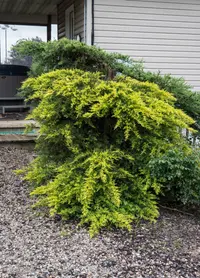
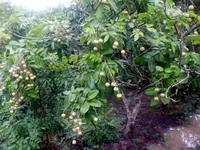
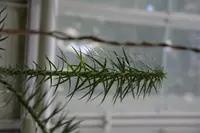
California Incense-cedar Care (Calocedrus decurrens)

Also known as: incense cedar, Bastard Cedar, California Post Cedar, White Cedar
California Incense-cedar

About California Incense-cedar

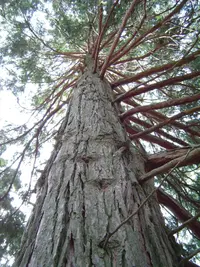
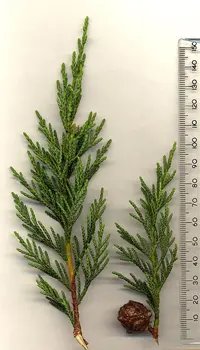
California incense-cedar, Calocedrus decurrens, is a long-lived coniferous tree valued for its tall, columnar form and aromatic wood. It keeps its scale-like evergreen foliage year-round, forming dense, flat sprays.

The species is native to mountain regions of California and Oregon, often found in mixed conifer forests on well-drained slopes. In cultivation it grows slowly to moderately and becomes a large tree, so it suits spacious gardens and landscape use more than small yards.

It is generally hardy, drought-tolerant once established, and tolerates a range of soils, which makes it relatively easy to care for California Incense-cedar if given sun and good drainage.

Main Plant Requirements

Care Difficulty

Easy Care

Light Preference

Full Sun

Water Requirements

Low Water

Temperature Preference

Cold Hardy

Hardiness Zone

5–8

Soil Texture

Sandy, Loamy, Rocky

Soil pH

Slightly acidic (6.5–7.0), Neutral (7.0)

Soil Drainage

Well-drained

Fertilization

Minimal (feed rarely)

Get Personalized Care Plan

Scan your plant to receive care tips personalized for your specific plant

Available on iOS and Android

How to Care for the California Incense-cedar

This conifer prefers bright outdoor light with a balance of direct sun and some daily shade.

  • Provide 6–8 hours of sun, ideally with morning sun and light afternoon shade, especially in hotter inland climates.
  • Young California Incense-cedar trees benefit from partial shade during their first 2–3 summers to reduce leaf scorch and transplant stress.
  • Watch for pale, sparse foliage in deep shade and browned, crispy needle tips in intense all-day sun, then adjust placement or provide shade cloth.

This species prefers deep, infrequent watering once established, with soil allowed to dry slightly between soakings.

  • For in-ground trees, water when the top 5–8 cm of soil is dry; apply a slow, deep soak so moisture reaches 20–30 cm depth.
  • Reduce watering in cool, wet seasons and during winter dormancy, increasing only during extended hot, dry periods or drought.
  • Signs of overwatering include yellowing foliage and soft, sour-smelling soil; curled, browning tips and very dry, hard soil indicate the need for deeper watering for Calocedrus decurrens.

This hardy conifer tolerates a wide temperature range but grows best in moderate conditions.

  • Optimal growth occurs around 60–80°F (16–27°C), with steady shoot and root development in spring and early summer.
  • Mature trees tolerate winter lows near 0°F (-18°C) or slightly below, but young plants benefit from protection from severe freeze and drying winds.
  • Heat tolerance is good up to about 95°F (35°C) if soil moisture is adequate; extended periods above this, combined with hot, dry winds, can cause foliage scorch and tip dieback.

This conifer tolerates a wide humidity range and rarely needs special humidity management outdoors.

  • Optimal humidity is around 30–60%, which is typical for many outdoor sites in its range.
  • Dry air is usually tolerated if soil moisture is stable, but prolonged hot, very dry wind can brown needle tips.
  • In unusually arid spots, reduce humidity stress by using windbreaks and a mulch layer to keep roots cooler and more evenly moist.

This species prefers well-structured, freely draining mineral soils and reacts poorly to waterlogged conditions.

  • Aim for a sandy or loamy soil with moderate organic matter, allowing water to drain while still holding some moisture.
  • Target a slightly acidic to neutral pH around 6.0–7.0, avoiding strongly alkaline sites that can limit nutrient uptake.
  • For planting beds, blend native soil with 20–30% compost plus coarse sand or fine bark to improve structure and aeration.
  • Avoid heavy, compacted clay; if unavoidable, raise the planting area and incorporate coarse gravel or bark to speed drainage.

This species can be grown in containers when young or kept dwarf with pruning, but it demands careful, stable support.

  • Use a deep, heavy container (ceramic or concrete) to counterbalance the tall, narrow crown and reduce tipping in wind.
  • Select a pot diameter that allows at least 5–8 cm of lateral root space while still limiting excessive soil volume that could stay wet.
  • Fill with a sharply draining mix, such as 60% pine bark with 40% sandy loam, to keep roots aerated yet anchored for an upright, stable plant.

This species usually grows well in average garden soil, so California Incense-cedar needs only light fertilization in cultivation.

  • In spring, apply a slow-release, balanced NPK granular fertilizer around the drip line, at 1/2 the label rate for trees.
  • Use well-rotted compost as a thin top-dressing to improve soil structure rather than to force rapid growth.
  • Skip feeding in late fall and winter to avoid soft, frost-prone growth and to respect the plant’s natural dormancy.

Pruning Calocedrus decurrens is mostly limited to maintenance and light shaping rather than heavy cutting.

  • Best time is late winter to early spring before new growth begins, when branch structure is visible.
  • Remove dead, diseased, crossing, or storm-damaged branches with clean, sharp bypass pruners or a pruning saw.
  • Make cuts just outside the branch collar to support proper healing and reduce infection risk.
  • Limit shaping cuts to outer shoots, maintaining the natural conical form and avoiding cuts into old bare wood.

This conifer is usually field-grown or planted out young, so focus on careful transplanting of Calocedrus decurrens rather than frequent repotting.

  • Transplant in late fall or early spring when soil is moist and temperatures are mild, reducing transplant shock.
  • Look for circling roots in container plants; gently tease them apart before planting into the ground.
  • Set the root flare at or slightly above soil level in a wide planting hole, backfilling with native soil, not rich potting mix.
  • Water deeply after planting, then keep soil evenly moist for the first growing season to support new root establishment.

Propagation of Calocedrus decurrens is possible but slow, mainly done from seeds or semi-hardwood cuttings in specialist settings.

  • Collect ripe cones in late summer to fall, extract seeds, and stratify them cold for 60–90 days for better germination.
  • Sow seeds in a free-draining conifer mix, keep slightly moist, and provide bright, indirect light and cool conditions.
  • Take semi-hardwood cuttings in late summer, use rooting hormone, and place in a high-humidity, well-aerated medium.
  • Expect low to moderate success rates and slow early growth, so allow several years before landscape planting.

Mature Calocedrus decurrens is quite cold hardy and usually needs minimal winter care in its suitable climate zones.

  • In colder regions, apply a 5–8 cm mulch layer over the root zone, keeping it slightly away from the trunk.
  • Shield young trees from harsh winter wind with a breathable barrier such as burlap on stakes.
  • For container-grown plants in cold areas, move pots into an unheated but frost-free garage or sheltered area.

Care Tips

Encourage Single Leader

In the first 5–7 years, select and lightly stake the strongest central stem to keep one dominant leader, removing competing uprights on calm dry days to prevent weak multi-stemmed forks that can split in storms.

Wind And Snow Management

Site young trees where they have some wind protection, and in heavy snow areas gently brush off wet snow from branches to reduce the risk of bending or breakage in winter.

Mulch Root Zone

Maintain a 5–8 cm layer of coarse organic mulch in a wide ring under the canopy dripline, keeping it 5–8 cm away from the trunk to stabilize soil moisture and protect shallow feeder roots from heat and mechanical damage.

Monitor For Cypress Diseases

Inspect foliage and small twigs 2–3 times a year for yellowing sprays, tip dieback, or resin exudation; promptly prune out and dispose of affected material and improve air flow around the tree to reduce common cypress-family fungal problems when growing California Incense-cedar.

Protect From Root Disturbance

Avoid trenching, compacting, or frequent digging within the dripline, and route irrigation lines or new plantings outside this area to prevent damage to the extensive but sensitive root system.

Common Pests and Diseases

Coryneum canker

This disease causes sunken, resin-soaked cankers on branches and stems, often with oozing pitch and dieback beyond the infected area. Symptoms include scattered dead twigs, branch flagging, and rough canker margins on California incense-cedar.

Solution

Prune out infected branches 15–30 cm below visible cankers during dry weather, disinfecting tools between cuts with 70% alcohol or a 10% bleach solution. Improve tree vigor with proper watering and mulch, avoid trunk injuries, and in high-value landscape trees consult an arborist about protective fungicide sprays where this disease is common.

Seiridium canker

This disease produces elongated, resinous cankers on stems and branches, leading to sudden death of individual limbs while the rest of the crown stays green. This pest spreads mainly through wounds and is favored by drought stress.

Solution

Remove and destroy affected branches as soon as flagging appears, cutting well below the canker and cleaning tools between cuts. Reduce drought stress with deep, infrequent watering, maintain a 5–8 cm mulch layer away from the trunk, and avoid mechanical injuries or heavy pruning during wet conditions to limit infection points.

Bark beetles

These insects bore into stressed trees, creating small round exit holes in the bark, fine boring dust, and galleries under the bark that disrupt water flow. Symptoms include patchy crown thinning, off-color foliage, and rapid decline, especially during drought or heat stress.

Solution

Focus on prevention by keeping trees healthy with adequate water during dry periods and avoiding root disturbance or trunk injury. Remove and properly dispose of heavily infested trees or branches to reduce beetle populations, and in high-risk forest or large landscape settings consult a certified arborist about timing and suitability of preventive insecticide trunk sprays.

Spider mites

These insects feed on foliage, causing fine stippling, dull gray-green needles, and sometimes fine webbing on inner branches. This pest is favored by hot, dry conditions and dusty foliage.

Solution

Rinse foliage thoroughly with a strong but gentle stream of water, reaching inner branches to knock mites off and reduce dust. In persistent cases use insecticidal soap or horticultural oil labeled for conifers, applied in the cooler part of the day, and repeat at 7–10 day intervals while monitoring for beneficial predatory mites.

Interesting Facts

Incense-like aromatic wood

The wood and foliage release a distinct resinous, incense-like scent when crushed or cut, which inspired the common name California incense-cedar and made the wood attractive for use in pencils and small wooden items.

Adapted to dry summers

This species naturally occurs in the mountains of California and Oregon, where it tolerates dry Mediterranean-type summers by having scale-like leaves with a waxy coating that reduces water loss.

Fire-influenced life cycle

Mature trees have relatively thick, fibrous bark that helps protect the living tissues from low- to moderate-intensity fires, an adaptation to the historically frequent fire regimes of its native conifer forests.
Botan icon

Did you know?

California incense-cedar played an important role in the US pencil industry in the 20th century, because its fine-grained, soft, and pleasantly fragrant wood was especially well suited for making high-quality pencil slats.

FAQs about California Incense-cedar

Container growing is possible while the tree is young. Choose a large, heavy pot with excellent drainage and use a gritty, well-drained mix. Expect slower growth and plan to transplant into the ground once roots fill the container.

Grow Healthy Plants with Botan Care

Keep your plants happy and healthy with plant identification, disease detection, and easy care guidance.

Botan plant care app — identify plants on mobile

Explore More Plants