Early leader training
In the first 2–3 years, select one strong vertical stem as the main leader and remove competing uprights in late winter to build a stable, straight trunk that resists storm damage as the tree matures.

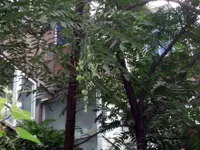
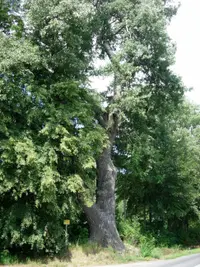
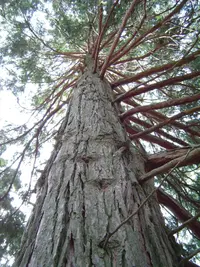
Chinese mahogany (Toona sinensis) is a fast-growing deciduous tree valued for its edible young leaves and ornamental foliage. It develops a straight trunk, light gray bark, and an airy, spreading crown.
In the wild, it occurs across China and parts of East and Southeast Asia, often in warm temperate to subtropical forests. It is generally robust but needs space, consistent moisture, and well-drained soil to establish well.
Understanding how to care for Chinese mahogany is useful because it can grow tall, respond strongly to pruning, and may self-seed in favorable climates.

Care Difficulty
Moderate Care

Light Preference
Full Sun

Water Requirements
Moderate Water

Temperature Preference
Warm Climate

Hardiness Zone
6–9

Soil Texture
Loamy, Sandy, Organic-rich

Soil pH
Acidic (5.5–6.5), Slightly acidic (6.5–7.0)

Soil Drainage
Well-drained

Fertilization
Minimal (feed rarely)
Scan your plant to receive care tips personalized for your specific plant
Available on iOS and Android
This deciduous tree benefits from bright light but needs protection from extremes, especially when young.
This species prefers evenly moist, well-drained soil, especially during active growth.
This tree grows best in temperate climates with distinct seasons and moderate extremes.
This species tolerates a wide humidity range but grows best with moderately moist air.
Toona sinensis prefers deep, loose, well-drained mineral soil with moderate organic matter.
This tree can be grown in containers for several years, especially in its juvenile stage.
Toona sinensis grows well in reasonably fertile soil and benefits from light, controlled feeding in containers or poor ground.
Pruning Toona sinensis is mainly done to manage size, remove weak wood, and encourage a strong framework.
This species is usually grown in the ground, so management focuses on careful transplanting of young trees rather than frequent repotting.
Toona sinensis is most often propagated from seed, with vegetative methods used less commonly in gardens.
Mature Toona sinensis trees are generally hardy in many temperate regions and need minimal winter attention once established.

Plant Health Check
Not sure what's wrong with your plant? Check your plant's health inside the app.
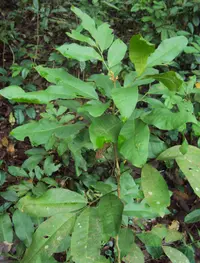
Young reddish shoots and leaflets of this species are widely eaten in East Asia as a seasonal vegetable, valued for their onion‑garlic aroma and used in stir‑fries, omelets, and dumplings.
The strong smell and taste of the foliage come from volatile sulfur‑containing compounds, similar in chemical class to those found in garlic and onions, which help deter many herbivores.
This tree is commonly planted in parts of China as a street and courtyard tree because it tolerates urban air pollution better than many other deciduous hardwoods.

Genetic studies show that long‑term cultivation for its edible shoots has produced distinct regional lineages across China, with some cultivated forms selected mainly for stronger aroma and others for milder flavor and higher shoot yields.
This tree is generally fast-growing, especially in fertile, well-watered ground. Young plants can add 60–120 cm in a season outdoors, then slow slightly with age as more energy goes into trunk thickening and crown development.
Keep your plants happy and healthy with plant identification, disease detection, and easy care guidance.