cherry plum Care (Prunus cerasifera)

Also known as: Myrobalan Plum, myrobalan, Purple-leaf Plum
cherry plum

About cherry plum

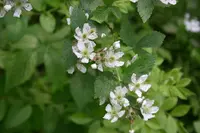
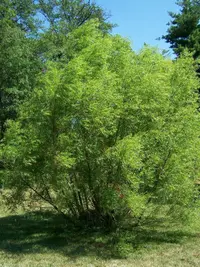
Cherry plum, Prunus cerasifera, is a small deciduous tree or large shrub grown for its early spring blossoms and small edible fruits. It often has purple or green foliage, a rounded crown, and a fairly fast growth rate.

The species is native to parts of southeastern Europe and western Asia, but is now widely planted in gardens, streets, and parks in many temperate regions. It is generally considered easy to grow and adapts to a range of soils, as long as drainage is good.

For those learning how to care for cherry plum, it usually performs best in full sun with moderate moisture and benefits from some protection from very strong winds.

Main Plant Requirements

Care Difficulty

Moderate Care

Light Preference

Full Sun

Water Requirements

Moderate Water

Temperature Preference

Cold Hardy

Hardiness Zone

4–9

Soil Texture

Sandy, Loamy, Clay

Soil pH

Slightly acidic (6.5–7.0), Neutral (7.0)

Soil Drainage

Well-drained

Fertilization

Minimal (feed rarely)

Get Personalized Care Plan

Scan your plant to receive care tips personalized for your specific plant

Available on iOS and Android

How to Care for the cherry plum

This species thrives as a sun-loving ornamental tree when light levels match its natural outdoor habitat.

  • Provide 6–8 hours of direct sun daily; full sun promotes dense foliage and abundant cherry plum flowering and fruiting.
  • Tolerates light or partial shade, especially with morning sun and light afternoon shade in hotter climates, but growth and color may be less intense.
  • In summer, watch for leaf scorch on exposed sites with reflected heat; in shaded sites, expect lanky shoots and fewer flowers the following spring.

Prunus cerasifera prefers evenly moist, well-drained soil rather than frequent shallow watering.

  • At establishment, water deeply when the top 5–8 cm of soil has dried, allowing water to soak 20–30 cm deep to encourage a strong root system.
  • Reduce watering once established, relying mostly on rainfall; supplement only during dry periods longer than 7–10 days, especially in sandy or fast-draining soils.
  • Warning signs include yellowing leaves and soft, waterlogged soil from overwatering, or dull, curling leaves and dry, cracked soil from underwatering.

This hardy ornamental plum performs best in temperate climates with distinct cool winters and mild to warm summers.

  • Optimal growing temperatures are around 60–80°F (16–27°C), though established trees tolerate short warm spells above this range if soil moisture is adequate.
  • Dormant trees tolerate winter lows near 0°F (−18°C) in many regions, but young plants benefit from protection from sudden hard freezes and drying winter winds.
  • Extended heat above 90°F (32°C) can stress foliage, especially with hot, dry winds; mulch the root zone and avoid pruning during extreme heat or hard frost.

This species tolerates a wide humidity range and usually does not need special humidity management outdoors.

Prunus cerasifera prefers moderately fertile, well-structured soil that drains freely yet retains some moisture.

  • Aim for a loamy soil with a mix of mineral particles and organic matter so roots anchor well and access air and water evenly.
  • Keep drainage high by avoiding compacted or heavy clay; improve such soils with 30–40% compost plus coarse sand or fine gravel.
  • Target a slightly acidic to neutral pH around 6.0–7.5; avoid strongly alkaline sites that can restrict nutrient uptake and cause leaf yellowing.
  • Prevent waterlogging by planting on a slight mound or raised bed where natural drainage is poor, supporting healthy root respiration.

This species can be grown in large, sturdy containers if given enough root space and stable conditions outdoors.

  • Use a deep, heavy container that resists wind tipping, as the woody canopy becomes top-heavy as it matures.
  • Choose a mineral-based mix (e.g. 50–60% loam with bark and coarse sand) to balance moisture retention with free drainage in confined roots.
  • Elevate the pot slightly on feet or bricks so drainage holes stay clear, allowing rapid runoff after heavy rain and preventing root suffocation.

Prunus cerasifera benefits from modest, targeted feeding rather than heavy fertilization.

  • Apply a balanced slow-release fertilizer (around 10-10-10) once in early spring, just before active growth starts.
  • For established landscape trees, supplement with a 2–5 cm layer of compost over the root zone annually instead of repeated granular feeds.
  • Avoid summer overfeeding, which can cause weak, late growth; stop nitrogen-rich fertilizer 6–8 weeks before expected frost.
  • For young or container-grown cherry plum, use liquid fertilizer at half strength every 4–6 weeks during spring–summer, none in winter.

Prunus cerasifera responds well to thoughtful pruning that maintains structure and flowering wood.

  • Time main pruning for late winter to very early spring, before bud break, when branch structure is visible.
  • Remove dead, diseased, or storm-damaged branches first, cutting back to healthy wood with clean, sharp bypass pruners or a pruning saw.
  • Thin crowded or crossing branches in the canopy to improve light and airflow, which supports better flowering and reduces disease risk.
  • Shorten overly long shoots lightly to control size and shape, avoiding heavy cuts that remove most of last year’s flowering wood.

This species is usually grown in the ground, so focus on careful transplanting rather than frequent repotting.

  • Plan major transplanting for late winter or very early spring while the tree is dormant to reduce shock.
  • Look for signs such as roots circling the container, slow growth, or frequent wilting as indicators a potted plant needs a larger space.
  • When lifting, keep as much of the root ball intact as possible, water deeply beforehand, and transplant quickly into a prepared hole or larger container.
  • Backfill with native soil, water thoroughly to settle roots, then mulch 5–8 cm deep around but not against the trunk to limit stress.

Prunus cerasifera is most often propagated by cuttings or grafting, with seeds used mainly for rootstock.

  • Take semi-hardwood cuttings in mid to late summer, 10–15 cm long, from healthy, non-flowering shoots.
  • Dip cut ends in rooting hormone, then place in a well-drained, sterile medium such as 1:1 perlite and peat or coco coir.
  • Maintain high humidity and gentle bottom warmth around 70–75°F, with bright indirect light, until roots form.
  • Seeds require cold stratification in moist medium at 34–41°F for 8–12 weeks before sowing in a free-draining soil mix.

Established Prunus cerasifera trees are generally cold hardy in much of the US and need limited winter care.

  • Apply a 5–8 cm mulch layer over the root zone in late fall, keeping it a few cm away from the trunk to prevent rot.
  • For young or newly planted trees, wrap the lower trunk with a breathable tree guard to reduce frost cracks and sunscald.
  • Move container-grown specimens to a sheltered, unheated but frost-free area, or group and insulate pots to protect roots from deep freezing.

Care Tips

Rootstock selection

Choose grafted trees on disease-resistant, semi-dwarf rootstocks suited to local soil and climate, as this improves anchoring, reduces suckering, and stabilizes fruiting over time.

Manage basal suckers

Inspect the base and root zone a few times each season and cut suckers flush with the root or trunk rather than leaving stubs, which reduces competition and keeps the canopy form stable when growing cherry plum.

Blossom frost protection

During late frosts at bud or blossom stage, cover smaller trees overnight with a breathable fabric supported on stakes, then remove it in the morning to protect potential fruit set without overheating the tree.

Targeted thinning cuts

In late winter, remove a few entire branches back to their point of origin instead of many light heading cuts, which improves light penetration, air flow, and reduces disease pressure inside the canopy.

Fruit load control

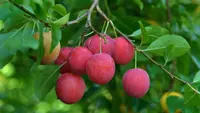
After natural fruit drop, thin remaining fruits so they are spaced about 8–10 cm apart on the branch to reduce limb breakage, improve individual fruit size, and help the tree maintain regular yearly cropping.

Common Pests and Diseases

Black knot

This disease causes elongated, hard, black swellings on twigs and branches that gradually girdle and kill affected wood. Symptoms include reduced vigor and dieback in heavily infested trees.

Solution

Prune out knots at least 15–20 cm below visible infection during dry weather and destroy removed material, then disinfect pruning tools between cuts. Improve airflow by thinning crowded branches and avoid overhead irrigation; in high-pressure areas, a local arborist may recommend a preventative fungicide program as part of broader Prunus cerasifera care.

Shot hole disease

This disease creates small purple to brown leaf spots that dry up and fall out, leaving round holes that give foliage a tattered appearance. In severe cases, leaves may yellow and drop prematurely.

Solution

Rake and remove fallen leaves and prune out badly affected shoots to reduce inoculum, then irrigate at soil level to keep foliage dry. Improve spacing and airflow around the canopy; in recurrent cases, apply a labeled copper or other stone-fruit fungicide in early spring following local extension guidelines.

Aphids

These insects cluster on young shoots and leaf undersides, sucking sap and causing distorted, curled leaves and sticky honeydew that can lead to sooty mold. New growth may appear stunted under heavy infestations.

Solution

Spray colonies off with a strong stream of water and pinch off heavily infested shoot tips when practical. Encourage beneficial insects such as lady beetles, avoid high-nitrogen overfertilization, and use horticultural soap or neem oil directed at leaf undersides if populations remain high.

Cherry slug sawfly

This pest, also called pear and cherry slug, skeletonizes leaves by eating the soft tissue between veins, leaving a lace-like appearance. This damage can reduce vigor if defoliation is heavy over successive years.

Solution

Knock larvae from branches with a strong jet of water or by shaking branches onto a sheet and destroying them. Encourage birds and predatory insects, and if needed apply horticultural oil or a labeled insecticide to the upper leaf surface when larvae are small and actively feeding.

Brown rot

This disease affects blossoms and fruit, causing flowers to brown and collapse and fruit to develop tan spots that enlarge and become covered with grayish spores. Infected fruit may shrivel into mummified berries that remain attached to branches and act as a source of reinfection.

Solution

Remove and destroy all mummified fruit and blighted twigs, pruning back to healthy wood and disinfecting tools between cuts. Avoid overhead watering during bloom, thin dense fruit clusters, and during wet springs consider a labeled blossom and fruit fungicide timed to flowering and early fruit development if the tree is grown for harvest.

Interesting Facts

Early spring nectar

Cherry plum flowers open very early in spring, often before leaves emerge, providing one of the first reliable nectar and pollen sources for bees and other pollinators in cool-temperate gardens and hedgerows.

High ornamental diversity

This species has produced many ornamental cultivars with purple foliage and pink flowers, such as Prunus cerasifera 'Nigra' and 'Thundercloud', widely used as small street and yard trees in urban landscaping.

Hybridization with plum

Cherry plum readily hybridizes with domesticated plums (Prunus domestica), and some commercial plum rootstocks and cultivars have cherry plum ancestry that contributes to vigor and adaptability.

Botan icon

Did you know?

Cherry plum was one of the first non-native Prunus species widely naturalized in parts of western and central Europe, where it now forms self-sustaining populations along roadsides and woodland edges and sometimes acts as a pioneer shrub on disturbed ground.

FAQs about cherry plum

Lack of flowers usually comes from insufficient light, heavy pruning at the wrong time, or nutrient imbalance. Late frosts can also damage flower buds. Avoid pruning after midsummer and ensure balanced fertilization to support bud formation.

Grow Healthy Plants with Botan Care

Keep your plants happy and healthy with plant identification, disease detection, and easy care guidance.


Botan plant care app — identify plants on mobile

Explore More Plants