Caesar's mushroom Care (Amanita caesarea)

Also known as: Caesar
Caesar's mushroom

About Caesar's mushroom

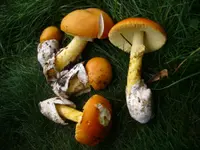
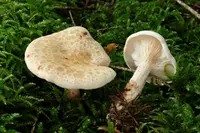
Caesar's mushroom, Amanita caesarea, is a mycorrhizal fungus that forms a close association with tree roots rather than growing as a typical potted plant. It produces a bright orange to red cap, yellow gills, and a distinctive white egg-like volva at the base. In nature it occurs mainly in warm, oak- and chestnut-rich woodlands of southern Europe and parts of western Asia. This species is highly prized as an edible mushroom in its native range but is difficult to cultivate because it depends on specific host trees and soil conditions. For most home growers, it is not practical to care for Caesar's mushroom indoors or in containers.

Main Plant Requirements

Care Difficulty

Hard Care

Light Preference

Partial Shade

Water Requirements

Regular Water

Temperature Preference

Warm Climate

Hardiness Zone

8–10

Soil Texture

Loamy, Silty, Organic-rich

Soil pH

Acidic (5.5–6.5), Slightly acidic (6.5–7.0)

Soil Drainage

Moist but well-drained

Fertilization

Minimal (feed rarely)

Get Personalized Care Plan

Scan your plant to receive care tips personalized for your specific plant

Available on iOS and Android

How to Care for the Caesar's mushroom

This ectomycorrhizal mushroom prefers dappled woodland light rather than direct, open sun.

  • Provide bright, filtered light under oak or chestnut canopies, with 2–4 hours of soft morning sun and shade by early afternoon.
  • Avoid strong midday and afternoon sun; intense exposure can dry the forest floor, harden the surface, and suppress Caesar's mushroom fruiting.
  • In summer, favor denser canopy or leaf litter cover, while in spring and fall a slightly more open canopy can supply 3–5 hours of gentle light.

Moist but airy soil conditions around the host tree are essential for steady mycelium activity and fruiting.

  • Aim for consistently moist, not soggy, soil; the top 2–5 cm should feel slightly damp but not waterlogged when pressed between fingers.
  • Ensure excellent drainage with loose, leaf-rich forest soil; pooling water, sour smells, or blackened bases of fruiting bodies indicate overwatering or stagnation.
  • Reduce supplemental watering in cool, wet seasons and increase slightly during hot, dry spells, watching for cracked soil or shriveling caps as signs of drought stress around Amanita caesarea.

This species fruits best in warm, mild conditions typical of late spring to early autumn in temperate climates.

  • Support development in a range of 68–79°F (20–26°C), where mycelium activity and fruiting are generally strongest in suitable forest soils.
  • Protect habitats from cold extremes; growth slows below about 50°F (10°C) and hard frosts near 32°F (0°C) can damage primordia and halt fruiting.
  • In hot periods above 86°F (30°C), maintain shade and surface moisture under leaf litter, since excessive heat and dryness quickly reduce fruiting success.

Humidity is not a controlling factor for Amanita caesarea compared with host tree association and soil conditions.

This mycorrhizal mushroom depends on specific outdoor soil conditions rather than potting mixes.

  • Fruiting typically occurs in well-drained, aerated, moderately moist loamy or sandy soils under suitable host trees such as oaks or chestnuts.
  • Aim for slightly acidic to neutral soil, roughly pH 5.5–7.0, avoiding strongly alkaline or highly compacted ground.
  • Maintain organic-rich topsoil with leaf litter, fine wood debris, and minimal disturbance to support the underground fungal network.
  • Avoid waterlogged, heavily fertilized, or repeatedly tilled soils, which disrupt mycelium and can prevent Amanita caesarea from fruiting.

This species is not suitable for container growing because it relies on a long-term mycorrhizal partnership with living trees in the ground.

This ectomycorrhizal fungus relies on its tree partners and normally does not need direct fertilization.

Amanita caesarea is a wild ectomycorrhizal mushroom and is not pruned like ornamental or woody plants.

This species is not suited to normal container culture, so focus on establishing or conserving suitable host trees rather than repotting.

  • Avoid disturbing established mycorrhizal zones around host tree roots, since digging can damage the fungus’s fine filaments
  • If moving young host trees, transplant during cool, moist weather in fall or early spring to reduce stress
  • Lift and transplant with a broad root ball so as much associated soil and root system as possible remains intact
  • Water transplanted trees consistently during the first 1–2 years to support re-establishment of the fungal partnership

Reproducing Amanita caesarea under controlled conditions is technically complex and not a routine home propagation task.

In climates where it is native, this fungus overwinters in soil without special intervention and has good cold tolerance.

Care Tips

Site hygiene

Remove and discard old fruiting bodies and any rotting organic debris from the production area to reduce fungal competitors, insect larvae, and bacterial contamination that can suppress future flushes.

Host tree pairing

Establish plantings only with compatible host trees such as oaks or chestnuts and avoid disturbing the fine feeder roots around them, because this species depends on stable mycorrhizal connections to fruit reliably.

Low‑disturbance mulching

Apply a thin, even layer of leaf litter or fine wood chips over the inoculated zone, but do not dig or rake deeply, so the mycelium remains protected while still receiving air and moisture.

Moisture monitoring

Use a simple soil probe or a narrow trowel to check moisture 5–10 cm below the surface near the host tree drip line, and irrigate only when this zone feels barely moist to avoid damaging the mycelium with alternating drought and waterlogging.

Mark inoculated zones

Discreetly mark the mycorrhizal area with stakes or stones so that future soil work, lawn edging, or heavy foot traffic does not compact or cut through the active fungal network, which is critical when caring for Caesar's mushroom over many seasons.

Common Pests and Diseases

Mycophagous insects

These insects feed on the fruiting bodies of the mushroom, creating pits, tunnels, and rapid decay of caps and stems. Symptoms include soft, crumbly tissue and the presence of small larvae inside the mushroom flesh.

Solution

Harvest fruiting bodies promptly when mature and discard those with extensive tunneling or larvae. Use fine mesh or physical barriers around outdoor cultivation beds, remove heavily infested mushrooms from the area, and maintain good sanitation by clearing old, decaying fruiting bodies to reduce breeding sites.

Slug and snail damage

These mollusks graze on the caps and gills, leaving large ragged holes, slime trails, and rapid tissue loss. Symptoms include missing sections of the cap edge and shredded gill tissue, especially in damp conditions.

Solution

Hand-pick slugs and snails during cool, moist periods and remove nearby hiding places such as boards or dense debris. Use physical barriers like copper tape, coarse grit, or targeted iron phosphate baits placed around outdoor fruiting areas, while keeping baits away from pets and wildlife when possible.

Mite infestation

These tiny arthropods can colonize the surface and inner tissue of fruiting bodies, causing surface speckling, gradual tissue collapse, and reduced quality. Symptoms include fine dust-like movement on the cap or stem and localized browning where mites feed.

Solution

Remove and discard infested mushrooms promptly to prevent population buildup. Maintain clean, well-drained fruiting sites, avoid leaving old mushrooms to decompose in place, and if using indoor or tented setups for growing Caesar's mushroom, sterilize or replace contaminated substrates between flushes.

Bacterial blotch

This disease causes slimy, greasy, or dark water-soaked spots on caps, often starting as small lesions that expand quickly in humid conditions. Symptoms include a sour odor and rapid breakdown of affected tissue.

Solution

Reduce surface moisture by avoiding overhead watering directly on fruiting bodies and improving air movement around the crop area. Remove and discard affected mushrooms, avoid handling caps with wet or dirty hands, and keep tools and harvesting containers clean to limit bacterial spread.

Parasitic competitor fungi

This disease involves other fungi colonizing the developing fruiting bodies or substrate, leading to distorted, aborted, or discolored mushrooms and patchy, weak flushes. Symptoms include foreign mold growth on or near the base of the mushroom, often white, green, or gray, and incomplete cap expansion.

Solution

Discard heavily contaminated substrate or sections where competitor fungi are established, and remove malformed or overgrown fruiting bodies. Use clean, well-pasteurized substrate when attempting to grow Amanita caesarea, keep the area free from old decaying mushrooms, and avoid introducing soil or forest debris that may carry aggressive parasitic fungi into controlled cultivation zones.

Interesting Facts

Distinctive Roman origin

This species was highly prized in ancient Rome, where it was considered a delicacy reserved for elites and is likely the mushroom most often referenced in classical Roman texts about edible fungi.

Mediterranean specialist

It forms mycorrhizal partnerships with oaks and chestnuts, and in nature is largely restricted to warm, Mediterranean-type climates with mildly acidic, well-drained soils.

Striking juvenile morphology

Young fruiting bodies emerge fully enclosed in a white universal veil, resembling a smooth egg that later splits open to leave a white cup at the base and patches on the vivid orange cap.

Botan icon

Did you know?

Despite being a prized edible in some European regions, this species closely resembles several deadly Amanita relatives, which is why many modern field guides strongly discourage foraging it unless identification skills are expert-level and regionally specific.

FAQs about Caesar's mushroom

Yes, this species is considered a choice edible in regions where it is native and correctly identified. However, it resembles deadly Amanita species, so only highly experienced foragers or local experts should ever harvest or consume it.

Grow Healthy Plants with Botan Care

Keep your plants happy and healthy with plant identification, disease detection, and easy care guidance.

Botan plant care app — identify plants on mobile

Explore More Plants