Tamarind Care (Tamarindus indica)

Tamarind

About Tamarind

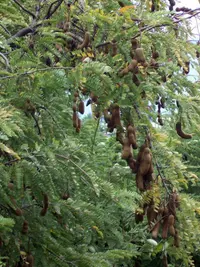
Tamarind, Tamarindus indica, is a long-lived tropical tree valued for its edible, tangy seed pods and fine, feathery foliage. It naturally forms a broad, rounded canopy with a strong central trunk and dense branching.

This species is native to tropical Africa but is now widely grown across South Asia, the Caribbean, and other warm regions. It is typically an outdoor tree in warm climates, though young plants can be grown in large containers for a time.

Tamarind prefers full sun, warmth, and well-drained soil, and generally tolerates seasonal dry periods once established. With suitable climate and space, it is relatively forgiving, and understanding how to care for Tamarind mainly involves providing enough light and avoiding cold or waterlogged conditions.

Main Plant Requirements

Care Difficulty

Moderate Care

Light Preference

Full Sun

Water Requirements

Moderate Water

Temperature Preference

Tropical / Frost Sensitive

Hardiness Zone

10–11

Soil Texture

Sandy, Loamy, Organic-rich

Soil pH

Acidic (5.5–6.5), Slightly acidic (6.5–7.0)

Soil Drainage

Well-drained

Fertilization

Minimal (feed rarely)

Get Personalized Care Plan

Scan your plant to receive care tips personalized for your specific plant

Available on iOS and Android

How to Care for the Tamarind

This tropical tree needs strong light to build a dense canopy and flower well.

  • Provide full sun for 6–8 hours daily; young Tamarind benefits from gentle morning sun plus light afternoon shade in very hot regions.
  • Allow only light or dappled shade; dense shade causes sparse foliage, leggy growth, and weak branching over time.
  • In summer, protect from reflected afternoon heat off walls or pavement; in cooler months, maximize sun exposure to support growth and pod production.

Tamarindus indica prefers deep, infrequent watering once established.

  • Let the top 5–8 cm of soil dry before watering; then soak deeply so moisture reaches the full root zone, rather than giving shallow splashes.
  • During hot, dry periods, monitor leaves: dull, curling, or folding leaves signal thirst, while yellowing and soft new growth often indicate excess moisture.
  • Soil must drain freely; prolonged puddling or sour smell in the root area suggests poor drainage and risk of root rot, especially in heavy clay.

This species thrives in consistently warm, frost‑free conditions.

  • Optimal growth occurs around 77–95°F (25–35°C), common in tropical and subtropical climates with warm summers.
  • The tree is highly frost sensitive; damage often begins near 32°F (0°C) and prolonged exposure below 28°F (-2°C) can kill young plants.
  • Mature trees tolerate brief heat up to about 104°F (40°C) if soil moisture is adequate, but young specimens benefit from mulch to stabilize root temperatures.

This species handles a wide humidity range but grows best with moderate ambient moisture.

  • Aim for 40–60% humidity; average indoor conditions in many homes are usually adequate for Tamarind.
  • Dry air can cause leaf-tip browning and slow growth, especially on young container plants.
  • Increase humidity with a nearby tray of water and pebbles or by grouping plants, rather than misting leaves frequently.

Tamarindus indica prefers slightly acidic to neutral, well-structured soil that drains freely yet retains some moisture.

  • Use a sandy or loamy mix with plenty of coarse particles so water moves through quickly without waterlogging.
  • Aim for pH around 6.0–7.5 to keep nutrients available and prevent micronutrient lockout.
  • Combine roughly 50–60% composted organic matter with 30–40% coarse sand plus 10–20% perlite for aeration.
  • Avoid heavy clay or compacted mixes; if soil forms a hard lump when squeezed, add more sand and perlite to open it.

This tree can be grown in containers, especially when kept pruned and managed as a patio or bonsai-style specimen.

  • Choose a deep, heavy pot to anchor the increasingly woody trunk and prevent tipping in wind or on balconies.
  • Select a container material with moderate porosity, such as thick terracotta, to help buffer excess moisture around the roots.
  • Elevate the pot slightly on feet or blocks so drainage holes stay clear and excess water leaves the root zone quickly.

Nutrient inputs support steady growth and fruiting for Tamarind in pots or poor soils.

  • Use a balanced slow-release fertilizer (for example 10-10-10) or well-rotted compost mixed into the topsoil at the start of spring.
  • Feed container plants every 6–8 weeks during the growing season, using half-strength liquid fertilizer if watering frequently.
  • Reduce or stop feeding in fall and winter when growth slows, especially in cooler conditions.
  • Avoid overapplication; monitor leaf color and growth, and flush pots occasionally with plain water to prevent salt buildup.

Thoughtful pruning keeps Tamarindus indica manageable, healthy, and structurally sound.

  • Carry out main structural pruning in late winter or very early spring before active growth.
  • Remove dead, diseased, crossing, or storm-damaged branches first, using clean, sharp bypass pruners or loppers.
  • Thin congested interior shoots to improve light penetration and air flow, which supports leaf health and reduces fungal risk.
  • Shorten or redirect long, awkward limbs to shape the crown and maintain safe clearance around paths or buildings.

Young Tamarindus indica grown in containers or nursery bags benefits from careful, infrequent transplanting.

  • Check for roots circling the pot base, pushing through drain holes, or markedly slowed growth as cues to move the plant up one size.
  • Plan major transplanting for late spring or early summer, once soils are warm and frost risk has passed.
  • Expect container Tamarind to need shifting to a larger pot every 2–3 years, using a deep, free-draining mix and firm staking if tall.
  • Minimize root stress by watering well before and after, handling the root ball gently, and shading the tree for several days while it re-establishes.

Raising Tamarindus indica from seed is the most common and practical method for home growers.

  • Collect fully ripe pods, remove seeds, and clean off pulp before sowing.
  • For better germination, soak seeds in warm water for 12–24 hours, then sow in a free-draining mix in late spring or early summer.
  • Maintain 70–85°F, bright light, and consistent, lightly moist conditions until germination, which often occurs within 1–3 weeks.
  • Cuttings and grafting are possible but more advanced, mainly used in orchards to clone selected fruiting trees.

This tropical species is frost sensitive and needs protection in regions with cold winters.

  • In ground, Tamarindus indica suits frost-free or very mild climates; young trees are especially vulnerable below 32°F.
  • Apply 5–8 cm of organic mulch around the root zone, keeping it slightly away from the trunk to insulate soil.
  • Move container plants indoors or into a heated greenhouse before the first frost, providing bright light and reduced watering.
  • In marginal climates, wrap young trunks with breathable horticultural fleece during brief cold snaps.

Care Tips

Early root training

Plant seedlings in deep containers or ground sites at least 40–50 cm deep so the strong taproot can develop straight, which reduces future windthrow and transplant stress.

Dry-season hardening

From the second year, allow slightly longer dry intervals at the end of the dry season to encourage deeper rooting and better drought tolerance, but stop this practice if leaves start to curl or yellow at the tips.

Structural branch selection

In the first 3–5 years, remove or shorten steep, narrow-crotch branches and favor 3–5 well-spaced scaffold limbs to create a strong framework that can carry heavy fruit loads without breaking.

Fruit load management

Thin out excessive young pods on overloaded branches so that remaining fruits size up better and branches are less likely to snap under weight, especially after heavy rain or wind.

Clean under-canopy zone

Keep a clear, mulched ring under the canopy by removing dense weeds and fallen pods, which improves air circulation, reduces fungal spore buildup, and makes monitoring pests easier when caring for Tamarind.

Common Pests and Diseases

Pod borer

This pest targets flower buds and young pods, boring inside and feeding on developing seeds, which leads to premature pod drop and reduced yield.

Solution

Collect and destroy affected pods and flowers, prune to open the canopy so more light and air reach the inner branches, and use targeted treatments with Bacillus thuringiensis (Bt) or other labeled biological insecticides during flowering and early pod formation as part of broader Tamarindus indica plant care.

Leaf webworm

These insects spin webbing on leaves and young shoots, sheltering inside while skeletonizing foliage and causing a scorched or ragged appearance.

Solution

Cut and destroy webbed shoot tips, and if the infestation is light, crush or handpick larvae; for heavier outbreaks, apply a contact or biological insecticide in the evening, directing spray into the webs and repeating only as needed to avoid harming beneficial insects.

Scale insects

This pest appears as small, fixed bumps on twigs and leaf stems, sucking sap and often producing sticky honeydew that leads to sooty mold on tamarind foliage.

Solution

Prune and dispose of heavily infested twigs, then wash stems and branches with a strong but gentle spray of water; follow with horticultural oil applied to fully coat the insects, repeating after 7–14 days if needed while monitoring for returning crawlers.

Leaf spot

This disease causes small brown to dark spots on leaves, often with yellow halos, which can merge and lead to early leaf drop in warm, humid weather.

Solution

Rake and remove fallen leaves, avoid overhead watering that keeps foliage wet, thin dense branches to improve airflow, and in severe or recurring cases use a copper-based or other labeled fungicide at the start of the rainy or humid period.

Powdery mildew

This disease shows as a white, powdery film on young leaves and shoots, sometimes leading to leaf curling, distortion, and reduced growth on young trees or container plants.

Solution

Improve light and air movement around the canopy, remove and discard heavily infected leaves, avoid excess nitrogen fertilization that stimulates soft new growth, and if needed apply a sulfur-based or other registered powdery mildew fungicide, coating both upper and lower leaf surfaces.

Interesting Facts

Seed longevity and travel

Tamarind seeds are extremely hard and can remain viable after long-distance transport in ocean currents or animal guts, helping explain the species’ wide historical spread across tropical coasts and islands.

Pulp as natural preservative

The acidic, sugar-rich pulp is traditionally used in South and Southeast Asian cuisines not only for flavor but also for its mild antimicrobial and antioxidant properties that help slow food spoilage.

Monsoon-adapted leaf behavior

Its small leaflets fold partially at night and during severe water stress, a movement that reduces water loss and sun exposure on hot, dry days in its native monsoon climates.

Botan icon

Did you know?

Historical and linguistic evidence suggests that tamarind was domesticated in Africa but became so deeply integrated into South Asian agriculture and cuisine over centuries of trade that many regions long regarded it as a native Asian tree, illustrating how human movement reshaped its apparent natural range.

FAQs about Tamarind

Growth is slow to moderate. Young trees often add 30–60 cm per year, sometimes more in ideal tropical climates. Container plants grow more slowly due to root restriction and limited resources compared with those planted in open ground.

Grow Healthy Plants with Botan Care

Keep your plants happy and healthy with plant identification, disease detection, and easy care guidance.

Botan plant care app — identify plants on mobile

Explore More Plants