Lady's mantles Care (Alchemilla mollis)

Also known as: Garden Lady's-mantle, Soft Lady's-mantle
Lady's mantles

About Lady's mantles

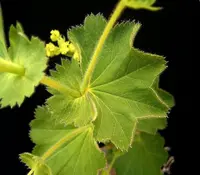
Lady's mantles (Alchemilla mollis) are hardy perennial plants grown mainly for their soft, rounded, scalloped leaves. The foliage forms low, dense mounds that work well at the front of borders or along paths.

In early summer they produce airy sprays of small yellow-green flowers that create a hazy effect and combine easily with many other garden plants. This species is native to cool regions of Europe and western Asia, where it grows in meadows and open woodland edges.

Alchemilla mollis is generally easy to grow, adapting to a range of garden soils and light conditions, which makes it suitable for many temperate gardens. Understanding how to care for Lady's mantles helps keep the foliage lush and the plant long-lived.

Main Plant Requirements

Care Difficulty

Easy Care

Light Preference

Partial Shade

Water Requirements

Moderate Water

Temperature Preference

Cold Hardy

Hardiness Zone

3–8

Soil Texture

Loamy, Silty, Organic-rich

Soil pH

Acidic (5.5–6.5), Slightly acidic (6.5–7.0)

Soil Drainage

Moist but well-drained

Fertilization

Minimal (feed rarely)

Get Personalized Care Plan

Scan your plant to receive care tips personalized for your specific plant

Available on iOS and Android

How to Care for the Lady's mantles

Alchemilla mollis grows best with soft, indirect light that protects its foliage from harsh midday sun.

  • Provide 3–6 hours of morning sun or bright dappled shade; an east-facing or lightly shaded border suits Lady's mantles well.
  • In hotter climates, shield from direct sun after 11 a.m. to prevent leaf scorch and dry, crispy edges.
  • In cooler regions, it tolerates more direct sun, but if leaves pale or wilt by midday, increase shade with neighboring plants or light shade cloth.

Alchemilla mollis prefers evenly moist but not waterlogged soil, especially during active growth.

  • Water when the top 3–5 cm of soil feels dry, aiming for consistently damp soil around the root zone without standing water.
  • Use soil that drains freely; amend heavy clay with compost or grit to reduce root rot and yellowing, common signs of chronic overwatering.
  • In spring and early summer, monitor more often; in cooler or rainy periods, skip waterings if soil remains moist and foliage looks firm, not limp.

This hardy perennial tolerates a wide temperature range but grows best in cool to mild conditions.

  • Optimal growth occurs around 55–75°F (13–24°C), with lush foliage in cool springs and mild summers.
  • Mature plants tolerate winter lows near 0°F (−18°C) in the ground, dying back above soil while crowns usually survive and regrow.
  • In hot summers above 85°F (29°C), provide afternoon shade and consistent soil moisture to limit heat stress, browning edges, and early leaf decline.

This species is flexible about humidity and usually does well in typical outdoor levels around 40–60%.

  • Tolerates relatively dry air but may show browning leaf edges and slower growth in prolonged hot, arid conditions.
  • Lady's mantles can develop crisped leaf margins and reduced foliage density when humidity stays very low with strong sun and wind.
  • In hotter, drier climates, group plants close together and use organic mulch to help maintain slightly higher surface humidity around the foliage.

Alchemilla mollis prefers consistently moist, well-aerated soil with moderate fertility.

  • Aim for a loamy, crumbly structure with plenty of organic matter that holds moisture yet stays airy.
  • Ensure drainage is reliable; water should infiltrate quickly without pooling on the surface or leaving the soil waterlogged.
  • A slightly acidic to neutral pH of about 6.0–7.0 supports nutrient availability and healthy root activity.
  • Mix garden soil with compost and a small amount of sharp sand or fine grit to improve both aeration and drainage in heavier sites.

This species adapts well to container growing when moisture and root space are managed carefully.

  • Choose a pot with a wide surface area so the spreading foliage can drape without crowding neighboring plants or blocking airflow.
  • Use a slightly deeper container than the rootball to buffer moisture swings and prevent rapid drying in summer heat.
  • Select a heavier material such as ceramic or concrete to stabilize the container and prevent tipping as the plant forms a broad, leafy mound.

Alchemilla mollis benefits from light feeding but grows acceptably in average garden soil.

  • Apply a balanced slow-release fertilizer (for example 10-10-10) once in early spring as new growth starts.
  • Supplement with a thin layer of compost around the root zone 1–2 times during the growing season.
  • Use fertilizers at half the label strength to avoid lush, floppy growth and salt buildup.
  • Stop feeding in late summer so the plant can harden off before winter dormancy.

Pruning Alchemilla mollis keeps the clump dense, encourages fresh foliage, and manages self-seeding.

  • Shear back spent flower stems and tired foliage in mid to late summer to stimulate new leaves.
  • Remove dead, damaged, or diseased leaves whenever noticed using clean, sharp hand pruners or scissors.
  • Cut the whole plant down close to the crown in late fall or very early spring to refresh growth.
  • Thin out congested sections to maintain good air flow and a tidy, rounded habit.

This perennial is usually grown in the ground, so focus on dividing and transplanting rather than frequent repotting.

  • Transplant or divide clumps every 3–5 years in early spring or early fall to renew growth.
  • Move plants when the center dies out, growth becomes sparse, or flowering declines in spite of good care.
  • Dig widely around the root mass, lift gently, and replant at the same depth in well-prepared, moist soil.
  • Water thoroughly after transplanting and keep evenly moist for 1–2 weeks to reduce root stress and encourage re-establishment.

Alchemilla mollis is commonly propagated by division or seed, both suitable for home gardeners.

  • Divide mature clumps in early spring or early fall, ensuring each section has healthy roots and several shoots.
  • Replant divisions immediately in moist, well-drained soil and keep evenly moist until new growth appears.
  • Sow fresh seed on the soil surface in fall or early spring; light aids germination, so do not bury deeply.
  • Thin or transplant seedlings once they have several true leaves, spacing to allow each plant to form a full clump.

This hardy perennial needs minimal winter attention in most climates where it is grown outdoors.

  • Alchemilla mollis tolerates typical frosts and freezes in USDA zones where it is commonly cultivated.
  • After fall dieback, cut spent foliage to ground level to reduce overwintering pests and diseases.
  • Apply a light mulch layer around the crown in late fall, especially in colder or exposed sites, to buffer freeze–thaw cycles.
  • Container-grown plants in very cold regions can be moved to a sheltered, unheated but frost-free spot if roots are at risk.

Care Tips

Allow Self-Seeding

Let a few flower heads ripen and drop seed in place if you want the clump to drift and fill gaps, then deadhead the rest to limit unwanted spread and keep the planting tidy.

Edge Control Routine

Once or twice a year, slice around the clump with a sharp spade to remove any rhizomes creeping into paths or neighboring plants, which keeps the mounds compact and well-shaped.

Divide For Vigor

Every 3–5 years, lift and divide crowded clumps in early spring or early fall, replanting only the younger, outer sections to refresh flowering and reduce fungal problems.

Slugs And Snails Check

Inspect leaves at dusk or after rain and hand-pick slugs and snails or use iron phosphate bait around the crown, focusing on young growth which is most easily damaged.

Rain-Splash Management

In wetter climates, thin crowded stems lightly after flowering so air can move through the foliage, lowering leaf wetness duration and helping to reduce fungal spotting when caring for Lady's mantles.

Common Pests and Diseases

Powdery mildew

This disease causes a white, powdery film on upper leaf surfaces, often in warm, dry conditions with poor air movement.

Solution

Remove and discard heavily affected leaves, then thin or divide clumps to improve airflow and avoid overhead watering late in the day; if needed, apply a sulfur or potassium bicarbonate fungicide labeled for ornamentals, following label directions carefully.

Leaf spot

This disease produces small brown or purple spots that can merge into larger blotches, sometimes with yellowing and premature leaf drop.

Solution

Cut off and dispose of affected foliage, keep leaves as dry as possible by watering at soil level, and improve spacing; in persistent cases, use a copper-based fungicide early in the season to protect new growth.

Slug and snail damage

These pests chew irregular holes in leaves, often starting on tender young growth and leaving slime trails around the plant.

Solution

Hand-pick slugs and snails in the evening, reduce hiding places such as dense debris, use iron phosphate bait around the clump, and consider barriers like copper tape or coarse grit at soil level to reduce feeding.

Vine weevil

This pest causes notched, scalloped edges on leaves from adult feeding, while larvae in the soil chew on roots and can weaken or stunt plants.

Solution

Inspect foliage at night and physically remove adults, then use beneficial nematodes targeting vine weevil larvae in late summer or early fall, and avoid keeping the soil excessively moist to discourage larval survival.

Rust

This disease leads to yellowish spots on upper leaf surfaces and orange or brown pustules on the undersides, mostly in humid, crowded plantings.

Solution

Remove and destroy infected leaves, space and divide plants to increase air circulation, avoid wetting the foliage, and if outbreaks repeat, apply a rust-specific fungicide at the first sign of symptoms as part of broader Alchemilla mollis care.

Interesting Facts

Hydrophobic leaf surface

The leaves have a highly water-repellent surface that causes raindrops and dew to bead into almost perfect spheres, a phenomenon known as the lotus effect, which helps keep the leaf blade clean and dry.

Historical dew collection

In medieval Europe, the spherical droplets that gathered on the leaves at dawn were collected and used in alchemical and cosmetic preparations, which contributed to the plant’s common name lady’s mantle.

Self-seeding garden colonizer

This species produces large numbers of viable seeds that germinate readily, allowing it to naturalize in cool-temperate gardens and along paths, sometimes forming persistent, self-sown colonies.

Botan icon

Did you know?

Alchemilla mollis was widely used by early plant physiologists and physicists as a natural demonstration of guttation, since the plant can exude droplets of xylem sap along leaf margins at night through specialized pores called hydathodes, making the process easy to observe with the naked eye.

FAQs about Lady's mantles

This species spreads moderately by self-seeding and short rhizomes. It can edge outward into nearby spaces but is usually manageable. Deadhead spent flowers and remove unwanted seedlings to keep clumps contained and prevent excessive spread.

Grow Healthy Plants with Botan Care

Keep your plants happy and healthy with plant identification, disease detection, and easy care guidance.

Botan plant care app — identify plants on mobile

Explore More Plants