American ginseng Care (Panax quinquefolius)

American ginseng

About American ginseng

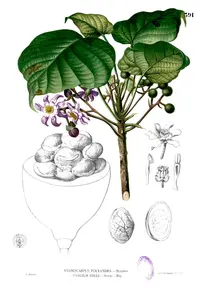
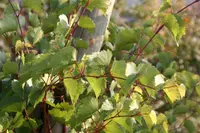
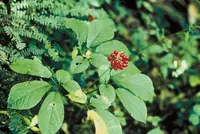
American ginseng, Panax quinquefolius, is a slow-growing woodland perennial valued for its fleshy, forked root. It forms a low cluster of slender stems topped with palm-like whorls of leaflets and, in maturity, small greenish flowers followed by bright red berries.

This species is native to cool, shaded deciduous forests in eastern North America, where it grows in rich, moist, well-drained soils. It is considered challenging to cultivate because it grows slowly, dislikes disturbance, and is vulnerable to disease and overharvest. Gardeners who want to learn how to care for American ginseng should be prepared to mimic its natural forest floor conditions as closely as possible.

Main Plant Requirements

Care Difficulty

Hard Care

Light Preference

Shade

Water Requirements

Keep Soil Moist

Temperature Preference

Cold Hardy

Hardiness Zone

3–8

Soil Texture

Loamy, Silty, Organic-rich

Soil pH

Strongly acidic (4.5–5.5), Acidic (5.5–6.5)

Soil Drainage

Moist but well-drained

Fertilization

Minimal (feed rarely)

Get Personalized Care Plan

Scan your plant to receive care tips personalized for your specific plant

Available on iOS and Android

How to Care for the American ginseng

This woodland herb prefers cool, shaded light that mimics a natural forest understory.

  • Provide 2–4 hours of dappled or filtered light daily, ideally with gentle morning sun and full shade by early afternoon.
  • Use 70–80% shade cloth or dense overhead canopy; direct midday sun can scorch leaves, cause leaf curl, and reduce root quality in American ginseng.
  • In spring and fall, slightly brighter dappled light is acceptable, but increase shade as trees leaf out and summer sun intensifies.

Moist, cool, but never waterlogged soil is essential for healthy root development.

  • Water when the top 2–3 cm of soil feel slightly dry, aiming to keep the root zone evenly moist during active growth without visible pooling.
  • Ensure deep, well-drained loam with high organic matter so rainfall or irrigation drains within a few hours, reducing risk of root rot and fungal issues.
  • In spring and summer, monitor more often during dry spells; in late fall, reduce watering as foliage dies back and Panax quinquefolius enters dormancy.

This species is adapted to cool temperate forests with distinct seasonal changes.

  • Optimal growing temperatures are 60–75°F (16–24°C), with steady cool nights supporting strong root and bud development.
  • Dormant crowns tolerate down to about 0°F (-18°C) under mulch or leaf litter, but exposed plants are more vulnerable to repeated freeze–thaw cycles.
  • Prolonged heat above 85°F (29°C) stresses plants, so provide extra shade and mulch during hot periods to keep soil cool and reduce moisture loss.

This woodland herb needs consistently moist air to stay vigorous in cultivation.

  • Aim for 60–80% humidity, mimicking shaded forest conditions often used when growing American ginseng.
  • In dry indoor air, leaf edges may brown, curl, or crisp while new growth stays small and pale.
  • Increase humidity with grouped plants, a pebble tray under the pot, or a cool-mist humidifier placed nearby but not blowing directly.

Panax quinquefolius prefers loose, humus-rich soil that mimics a deciduous forest floor.

  • Use a mix of 50–60% leaf mold or compost, 20–30% loam, and 10–20% coarse material such as perlite or pine bark for structure.
  • Ensure fast drainage but steady moisture; water should pass through quickly while the mix stays slightly damp, not saturated.
  • Target a slightly acidic pH of 5.0–6.0, incorporating shredded hardwood leaf mold or peat to acidify if needed.
  • Avoid heavy clay, compacted ground, or pure sand, which either suffocates roots or dries too quickly and weakens plants.

This species can be grown in containers, but only when the pot environment closely imitates cool, shaded woodland soil.

  • Choose a tall, narrow container at least 25–30 cm deep to accommodate the thick root and allow downward growth without crowding.
  • Use a rigid, non-flexing pot material like plastic or glazed ceramic to maintain even moisture and prevent fine roots from air-pruning at the sides.
  • Elevate the container on bricks or pot feet outdoors so drainage holes stay clear and excess water leaves the root zone quickly after rain.

Panax quinquefolius benefits from light, thoughtful feeding rather than heavy fertilization.

  • Use a mild, balanced NPK fertilizer (such as 5-5-5) or well-aged compost in spring as new growth emerges.
  • Apply at half-strength and keep fertilizer off the crown and stems to avoid burn.
  • Feed once in early to mid growing season; avoid repeated applications to prevent lush, weak growth.
  • Stop fertilizing American ginseng by late summer so plants can harden off before dormancy.

Panax quinquefolius requires minimal pruning and is usually maintained with simple cleanup.

  • Best timing is late fall or early spring when plants are dormant and stems have naturally died back.
  • Remove only dead, diseased, or damaged stems and foliage using clean, sharp scissors or hand pruners.
  • Avoid cutting live green stems; excess removal can weaken the root and reduce future vigor.
  • Gently clear fallen debris around crowns to limit fungal issues while keeping soil disturbance low.

This woodland perennial is more often transplanted in beds than grown long term in containers.

  • Plan transplants for fall after foliage dies back, or very early spring before new shoots emerge.
  • Choose a shaded site with rich, loose, well-drained soil and recreate natural leaf-litter conditions.
  • Move plants only every several years, when overcrowded or growth declines, to limit root disturbance.
  • Lift clumps carefully, keep roots shaded and moist, and replant at the same depth to reduce stress.

Panax quinquefolius is mainly propagated from seed and requires patience and careful handling.

  • Collect ripe red berries in late summer, clean seeds, and sow them fresh in a shaded, well-drained seed bed.
  • Provide natural cold stratification by leaving seed outdoors through 1–2 winters for proper dormancy breaking.
  • Keep soil consistently moist but not waterlogged, using a fine mulch layer to maintain humidity.
  • Mark seed beds clearly, as seedlings emerge slowly and remain small for the first few years.

This species is cold hardy in much of its native range and usually needs only simple winter care.

  • Tolerates typical freezing winters when roots are in well-drained, shaded woodland soil.
  • Apply 5–8 cm of leaf mulch over the root zone in late fall to insulate buds and conserve moisture.
  • For containers, move pots into an unheated but sheltered space to prevent repeated freeze-thaw cycles.
  • Avoid disturbing dormant crowns during winter so buds remain protected in the soil.

Care Tips

Simulate forest litter

Top-dress the planting bed each autumn with 2–5 cm of shredded hardwood leaves to mimic natural forest duff, buffer soil moisture, and slowly add organic matter without disturbing the roots.

Use shade cloth wisely

If natural canopy shade is inconsistent, install 70–80% shade cloth above the bed at 1.8–2.4 m height to reduce scorch, but keep sides open for airflow to limit fungal disease.

Staggered root harvest

Mark and selectively harvest only the largest, oldest roots in a patch and leave younger plants undisturbed, so the stand can self-replenish and maintain a steady age structure for future digging.

Targeted slug control

Place shallow beer or yeast-water traps and rough copper or diatomaceous barriers around beds in early spring when new shoots emerge, since slugs and snails can destroy tender stems overnight.

Seasonal sanitation routine

At the end of the season remove and destroy all fallen stems and leaves from the bed, and rotate the planting area every 5–7 years if possible to reduce long-term buildup of soilborne pathogens when growing American ginseng.

Common Pests and Diseases

Alternaria leaf blight

This disease causes irregular brown lesions on leaves that often develop yellow halos and can lead to premature leaf drop. Symptoms include rapid loss of foliage during warm, humid weather, which weakens roots and lowers root quality.

Solution

Remove and destroy infected leaves and plant debris, and avoid overhead watering to keep foliage dry. Improve spacing and airflow, use a mulch layer to reduce soil splash, and in field settings follow a regular fungicide program labeled for ginseng when conditions are consistently warm and humid.

Phytophthora root rot

This disease leads to wilting, yellowing, and collapse of stems, with roots turning brown, soft, and water-soaked. Symptoms include sudden plant death in poorly drained or low-lying areas.

Solution

Improve drainage by planting in raised beds or well-sloped sites and avoid waterlogging at all times. Remove and discard severely affected plants and soil pockets, and in field production use a preventative soil-applied fungicide program specifically recommended in American ginseng care instructions for Phytophthora management.

Rhizoctonia root and crown rot

This disease causes reddish to dark brown lesions at the crown and upper root, leading to stunting, yellow foliage, and plant collapse. Symptoms include poor root development and decay around the neck of the root.

Solution

Rotate out of previously infested beds for several years and avoid planting into heavy, compacted soils. Maintain good drainage, limit high-nitrogen fertilization, remove symptomatic plants with surrounding soil, and where permitted use a registered soil fungicide as a preventative treatment in high-risk sites.

botrytis blight

This disease produces soft, water-soaked spots on leaves, stems, and flowers that later develop gray, fuzzy mold, especially under dense shade and high humidity. Symptoms include blighted leaf tips and patches that spread rapidly in cool, wet conditions.

Solution

Increase air movement by thinning shade and improving spacing, and avoid wetting foliage late in the day. Promptly remove and discard infected tissue and surface debris, and in commercial or dense plantings consider preventive fungicide sprays labeled for Botrytis when cool, humid weather is forecast.

slugs and snails

These pests chew irregular holes in leaves and can strip seedlings, often leaving slime trails on soil and foliage. Symptoms include shredded leaf edges and missing leaf tissue, especially during cool, wet periods.

Solution

Hand-pick slugs and snails during evening or early morning and reduce hiding spots by removing boards, stones, and dense debris. Use barriers such as copper tape around beds, apply iron phosphate baits according to label directions, and maintain a cleaner, drier soil surface with appropriate mulching to reduce habitat.

Interesting Facts

Slow woodland lifecyle

American ginseng often needs 7–10 years in the wild to reach seed-producing maturity, which makes natural populations especially vulnerable to overharvest and habitat loss.

Shade‑adapted physiology

This species is adapted to deep deciduous forest shade, using large, thin leaflets with high chlorophyll content to capture low light on rich, moist forest floors of eastern North America.

Wild versus cultivated roots

Wild American ginseng typically develops slender, gnarly, slow-grown roots, while cultivated plants often produce smoother, larger roots, differences that are used to distinguish legal trade sources in regulatory inspections.

Botan icon

Did you know?

American ginseng is listed under Appendix II of the Convention on International Trade in Endangered Species (CITES), so international trade in its roots is closely monitored and regulated due to concerns about long-term sustainability of wild populations.

FAQs about American ginseng

Growth is slow. From seed, this woodland perennial usually needs 5–10 years to produce marketable roots. Early years focus on root and bud development, so top growth can appear small and unimpressive compared with the underground biomass.

Grow Healthy Plants with Botan Care

Keep your plants happy and healthy with plant identification, disease detection, and easy care guidance.

Botan plant care app — identify plants on mobile

Explore More Plants