Cretan Alkanet Care (Anchusa cretica)

Cretan Alkanet

About Cretan Alkanet

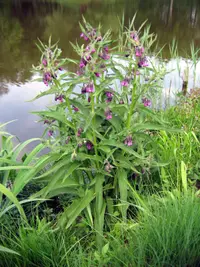
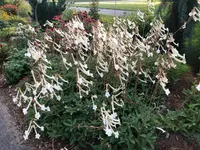
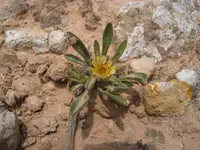
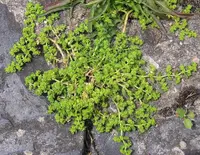
Cretan alkanet, Anchusa cretica, is a sun-loving perennial herb from dry, rocky areas around the eastern Mediterranean. It typically forms low, bushy clumps with rough, bristly leaves.

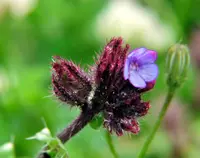
The plant produces intense blue, star-shaped to tubular flowers that attract many pollinators. Its coarse foliage and strong taproot reflect good drought tolerance but make it less suited to frequent disturbance or containers.

Anchusa cretica prefers open, well-drained, often poor soils and does best with plenty of light and minimal excess moisture. These traits mean it is usually easy to establish in dry, sunny gardens but less reliable in humid, heavy soils. Gardeners who want to learn how to care for Cretan Alkanet benefit from understanding its dryland origins.

Main Plant Requirements

Care Difficulty

Moderate Care

Light Preference

Full Sun

Water Requirements

Low Water

Temperature Preference

Warm Climate

Hardiness Zone

7–10

Soil Texture

Sandy, Loamy, Rocky

Soil pH

Slightly acidic (6.5–7.0), Slightly alkaline (7.0–7.5)

Soil Drainage

Well-drained

Fertilization

Minimal (feed rarely)

Get Personalized Care Plan

Scan your plant to receive care tips personalized for your specific plant

Available on iOS and Android

How to Care for the Cretan Alkanet

This sun-loving Mediterranean perennial needs strong light to flower well outdoors.

  • Provide 6–8 hours of direct sun daily; morning and early afternoon sun give the best balance of growth and blooms for Cretan Alkanet.
  • Tolerates light partial shade, especially in hot regions, but flowering and compact growth decline with less than 4–5 hours of direct sun.
  • In very hot summers, protect from intense late-afternoon sun to limit leaf scorch, while in winter choose an open, unshaded site to maximize low-angle light.

This drought-tolerant plant prefers thorough but infrequent watering once established.

  • Allow the top 3–5 cm of soil to dry before watering; in most garden soils this means intervals of several days to a week, depending on heat and wind.
  • Use sharply drained soil or a raised bed so water does not pool; prolonged soggy conditions cause root rot and yellowing, limp foliage in Anchusa cretica.
  • In summer heat, watch for dull, slightly drooping leaves and dry soil as a cue to water; in cooler seasons reduce watering so the root zone never stays saturated.

This species is adapted to warm, dry climates but copes with a moderate range of outdoor temperatures.

  • Optimal growth occurs around 65–80°F (18–27°C), with best flowering in mild, sunny conditions and well-drained, slightly dry soil.
  • Mature plants tolerate brief drops to about 20–25°F (-6 to -4°C), but hard freezes below this, especially in wet soil, can damage or kill the crown.
  • Heat up to 90–95°F (32–35°C) is tolerated if soil drains freely; combine mulch with air flow to protect roots from extreme heat and reduce stress.

Anchusa cretica handles typical outdoor humidity and does not need special humidity control.

Anchusa cretica prefers lean, fast-draining, mineral-rich soil that mimics its rocky native habitat.

  • Use sandy or gritty loam with at least 40–60% coarse sand or grit to prevent water retention around the roots.
  • Maintain slightly alkaline to neutral pH around 7.0–8.0, adding a small amount of garden lime if soil is very acidic.
  • In containers, mix roughly 2 parts cactus mix with 1 part coarse sand or fine gravel to improve aeration and drainage.
  • Avoid heavy clay, peat-heavy mixes, or spots where water collects after rain, as persistent wetness quickly causes root rot.

This species can be grown in containers if the pot replicates its dry, free-draining root conditions.

  • Choose a deep, narrow container to accommodate the taproot and reduce rocking in windy, exposed positions.
  • Select a terracotta pot so moisture evaporates more quickly, matching this plant’s preference for drier conditions.
  • Raise the pot on feet or bricks so drainage holes stay clear and excess water escapes rapidly after rain or irrigation.

Anchusa cretica grows well in lean soils but benefits from light feeding in poor or very sandy sites.

  • Apply a small amount of balanced NPK granular fertilizer at 25–50% label rate once in early spring.
  • Alternatively, work a thin layer of compost into the top 2–3 in of soil at the start of the growing season.
  • Avoid high-nitrogen products, which encourage weak, floppy growth and reduce flowering.
  • Do not feed in late fall or winter, as the plant is semi-dormant and excess nutrients may leach away.

Anchusa cretica responds well to modest pruning that maintains vigor and flowering.

  • In late spring to early summer, deadhead spent flower stalks down to a leafy node to encourage further blooming.
  • Remove dead, diseased, or storm-damaged stems at the base whenever noticed, using clean, sharp hand pruners.
  • Thin crowded or crossing shoots after flowering to improve air flow and reduce foliar disease risk.
  • Lightly neaten the clump, but avoid cutting hard into woody crowns, which can reduce next season’s growth.

Anchusa cretica is usually grown in the ground and dislikes frequent disturbance, so transplant only when needed.

  • Transplant in early spring or early fall, when temperatures are mild and soil moisture is stable.
  • Move plants only if growth declines, clumps overcrowd, or a better-drained spot is available.
  • Dig widely around the plant to keep a generous soil root ball, then replant at the same depth in well-drained soil.
  • Water thoroughly after replanting, shade lightly for 3–5 days, and keep soil just moist to limit transplant shock.

Anchusa cretica is most often propagated by seed, with some success from careful division of younger clumps.

  • Sow fresh seed in late summer to early fall in free-draining, gritty mix; cool conditions aid germination.
  • Provide bright light, good air flow, and evenly moist but not wet substrate for 2–4 weeks while seeds germinate.
  • Divide only vigorous, relatively young plants in early spring, splitting into sections with several shoots each.
  • Replant divisions promptly, firm soil around roots, and water well to settle and remove large air pockets.

Anchusa cretica is fairly cold hardy in well-drained soil and usually needs minimal winter care in temperate climates.

  • In regions with freeze–thaw cycles, apply a light 5–7 cm mulch after the ground cools to stabilize soil temperature.
  • Avoid heavy, water-retentive mulches that stay wet against the crown and increase rot risk.
  • For container plants in cold areas, move pots to a sheltered, unheated spot and reduce watering.

Care Tips

Support In Wind

In exposed sites, place low hoops or discreet stakes around clumps before flowering so the tall, brittle stems have support and are less likely to snap in strong wind or heavy rain.

Extend Bloom Period

Deadhead spent flower spikes promptly down to a leafy node to encourage a second, lighter flush of blooms and to reduce self-seeding in small gardens.

Self-Seed Management

If you want a controlled colony, allow only a few of the strongest plants to set seed and remove seed heads from the rest so you can replant collected seed exactly where new plants are wanted.

Summer Stress Relief

In very hot, dry regions, apply a light mineral mulch such as fine gravel around the crown to keep roots slightly cooler, reduce soil crusting, and protect the plant during peak summer heat when growing Cretan Alkanet.

Root Disturbance Control

When removing weeds or companion planting near established plants, use hand tools carefully and keep disturbance shallow, since the deep taproot resents damage and does not transplant well once mature.

Common Pests and Diseases

Leaf-mining flies

This pest tunnels inside the leaves, creating pale, winding mines that can cause early yellowing and reduced vigor, especially in stressed plants on dry, poor soils.

Solution

Remove and destroy mined leaves as soon as they are noticed to break the life cycle, then encourage strong growth with adequate water and balanced nutrition; on ornamentally important clumps, use a targeted contact insecticide or spinosad spray directed to young foliage in early spring, following label directions and avoiding applications when bees are active.

Powdery mildew

This disease forms white, powdery patches on upper leaf surfaces, often in late spring or summer when days are warm and nights are cool, leading to distorted, prematurely browned leaves.

Solution

Improve air circulation by thinning crowded stems and nearby vegetation, avoid overhead watering, and remove heavily infected foliage; if conditions stay favorable for the disease, apply a sulfur or potassium bicarbonate fungicide at the first sign of symptoms, repeating as directed on the label.

Rust

This disease causes small yellow spots on the upper leaf surface and orange to brown pustules on the undersides, which can merge and lead to early leaf drop in humid or crowded plantings.

Solution

Promptly remove and destroy affected leaves, avoid wetting foliage, and space plants to increase airflow; in plantings where Anchusa cretica care is focused on ornamental display, a preventive copper-based or other labeled rust fungicide can be used when new foliage emerges and humidity is high.

Aphids

These insects cluster on young stems and flower stalks, sucking sap and excreting sticky honeydew that can attract sooty mold and ants, sometimes causing distorted new growth and reduced flowering.

Solution

Dislodge colonies by spraying plants with a strong jet of water, encourage natural predators such as lady beetles, and, if populations remain high, use insecticidal soap or a light horticultural oil, coating stems and leaf undersides thoroughly and repeating at 5–7 day intervals as needed.

Interesting Facts

Mediterranean coastal specialist

This species naturally occurs on rocky coastal slopes and maritime cliffs in the eastern Mediterranean, often in very shallow, nutrient-poor soils regularly exposed to strong wind and salt spray.

Deep taproot survival

Anchusa cretica develops a strong taproot that allows it to penetrate deep into rocky substrates, accessing limited moisture and helping the plant persist through long, dry summer periods typical of its native range.

Bee‑favored blue flowers

Its bright blue, funnel-shaped flowers are rich in nectar and are particularly attractive to wild bees and other pollinating insects, making the plant an important seasonal food source in coastal ecosystems.

Botan icon

Did you know?

Anchusa cretica is considered a narrow endemic in parts of its range, meaning it has a restricted natural distribution, especially on certain Aegean islands and nearby coastal regions, which makes its native populations sensitive to habitat disturbance and coastal development.

FAQs about Cretan Alkanet

Poor flowering usually comes from too much shade, overly rich or wet soil, or heavy competition from nearby plants. Provide full sun, lean well-drained ground, and deadhead spent stems to redirect energy into new flower production.

Grow Healthy Plants with Botan Care

Keep your plants happy and healthy with plant identification, disease detection, and easy care guidance.

Botan plant care app — identify plants on mobile

Explore More Plants