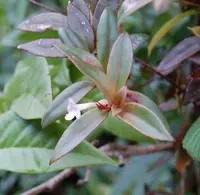
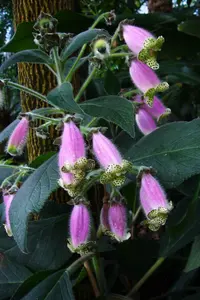
trumpet-flowered sinningia Care (Sinningia tubiflora)

trumpet-flowered sinningia

About trumpet-flowered sinningia

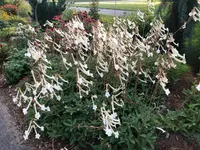
Sinningia tubiflora is a tuberous perennial from the gesneriad family, valued for its long, white, tubular flowers with a strong evening fragrance. It grows from a swollen underground tuber and produces slender, upright to arching stems with soft, gray‑green leaves, giving the plant an airy, delicate look.

In nature, it occurs in parts of South America, often in rocky or well-drained habitats. Its rest period after flowering and sensitivity to overwatering are the main traits that influence how easy it is to grow.

For those learning how to care for Sinningia tubiflora, it generally prefers bright light with some protection from harsh sun, moderate moisture, and a very free-draining, gritty soil mix.

Main Plant Requirements

Care Difficulty

Moderate Care

Light Preference

Partial Sun

Water Requirements

Moderate Water

Temperature Preference

Tropical / Frost Sensitive

Hardiness Zone

9–11

Soil Texture

Sandy, Loamy, Organic-rich

Soil pH

Acidic (5.5–6.5), Slightly acidic (6.5–7.0)

Soil Drainage

Well-drained

Fertilization

Light (every 4–6 weeks)

Get Personalized Care Plan

Scan your plant to receive care tips personalized for your specific plant

Available on iOS and Android

How to Care for the trumpet-flowered sinningia

This tuberous perennial thrives in bright conditions that balance sun exposure and protection from harsh heat.

  • Provide 4–6 hours of direct morning sun with light afternoon shade; eastern exposure or dappled light under high trees works well for Sinningia tubiflora.
  • In hotter climates, protect from strong midday and late-afternoon sun to prevent leaf scorch and premature flower fade, especially in summer.
  • If stems stretch or bloom poorly, increase light by moving to a sunnier spot, while in winter aim to maintain as much bright light as possible.

This species prefers deep but infrequent watering that respects its tuberous root system.

  • Water only when the top 3–5 cm of soil are dry, then soak thoroughly, allowing excess to drain so the tuber does not sit in water.
  • During active growth and flowering, expect to water more often in hot, dry weather and less often in cool or cloudy periods.
  • Reduce watering sharply once foliage yellows and dies back; keep soil just barely dry, since constant moisture can cause tuber rot and mushy stems.

This plant grows best with warm, stable temperatures and does not tolerate frost.

  • Aim for 65–80°F (18–27°C) during active growth; it performs well outdoors in mild summers if protected from extreme conditions.
  • Avoid exposure below 40°F (4°C); frost can kill stems and damage the tuber, so lift or protect plants in regions with freezing winters.
  • In very hot spells above 90°F (32°C), provide afternoon shade and slightly increased air movement to limit heat stress and leaf scorch.

This species prefers moderate humidity but usually adapts well to typical home conditions.

  • Aim for 40–60% humidity to support steady growth and flowering.
  • Plants tolerate slightly dry air if soil moisture is consistent and roots are not left dry for long periods.
  • Crisping leaf edges or stalled buds suggest air is too dry; group plants, use a pebble tray, or run a small humidifier nearby.

Sinningia tubiflora grows best in a loose, airy, fast-draining mix that still holds some moisture around the tuber.

  • Use a mix of roughly 40% peat or coco coir, 40% perlite or pumice, and 20% fine bark or compost for structure and nutrients.
  • Ensure the mix feels light and crumbly, so water drains within seconds and the tuber does not sit in soggy conditions.
  • Aim for slightly acidic to neutral pH, around 6.0–7.0, which supports nutrient availability and healthy root function.
  • Avoid dense garden soil, heavy clay, or mixes with a high proportion of fine sand that compact and restrict aeration around the tuber.

This species is well suited to container growing.

  • Select a pot wide enough to accommodate the spreading tuber, leaving 3–5 cm of space around it for new roots.
  • Choose a container material that matches your climate, such as terracotta for cooler, humid areas and plastic for hotter, very dry sites.
  • Use a relatively shallow but stable pot and place heavier grit at the base to keep tall flowering stems from tipping the container.

This tuberous perennial benefits from modest feeding during its active growth phase for reliable flowering.

  • Use a balanced liquid fertilizer around 10-10-10 or 20-20-20, diluted to 1/4–1/2 strength.
  • Apply every 3–4 weeks in late spring through summer when Sinningia tubiflora is in active growth.
  • Avoid compost-heavy mixes that stay wet; prioritize a free-draining potting medium.
  • Stop feeding once foliage begins to yellow and die back for dormancy in fall and winter.

Pruning is light but useful to keep this plant tidy and flowering well.

  • Cut back spent flower spikes at the base in late summer to clean the plant and encourage fresh growth.
  • Remove dead, damaged, or weak stems at soil level using clean, sharp scissors or snips.
  • In late winter or early spring, trim any remaining dry foliage before new shoots emerge from the tuber.
  • Avoid heavy, repeated cutting into green stems during active growth to prevent stress.

This species grows from a tuber and prefers careful, infrequent repotting to limit disturbance.

  • Repot every 2–3 years in late winter or very early spring, just before new growth starts.
  • Check for signs such as roots circling the pot, water running straight through, or noticeably slowed growth.
  • Move to a container only 2–5 cm wider, using a coarse, gritty, well-drained mix to reduce tuber rot risk.
  • Handle the tuber gently, keep it at the same depth, water lightly after repotting, and resume normal watering once new shoots appear.

Propagation is commonly done from seed or by carefully dividing mature tubers.

  • Sow fresh seed in late winter–spring on the surface of a sterile, fine, well-drained mix and keep at 68–75°F with bright, indirect light.
  • Maintain slight, even moisture and good air movement to support germination and prevent damping-off disease.
  • For division, split large, healthy tubers in early spring, ensuring each section has at least one visible growth point.
  • Dust cut surfaces with a dry fungicide or cinnamon, allow to dry briefly, then pot sections into a gritty mix and keep just barely moist until growth appears.

This plant is not fully hardy in cold climates and benefits from focused winter management.

  • Sinningia tubiflora tolerates only light frost; in regions below about 25°F, grow it in containers or lift tubers.
  • In cold-winter areas, move pots indoors to a cool, bright, frost-free place once nights drop near freezing.
  • Allow top growth to die back naturally, then keep tubers almost dry in winter to prevent rot.
  • In mild climates, leave tubers in the ground and apply a 5–8 cm mulch layer to insulate the root zone.

Care Tips

Support tall stems

Use low, discreet ring stakes or small bamboo canes early in the season to keep the tall, brittle flowering stems upright and prevent wind damage, especially in containers or exposed sites.

Manage tuber depth

Replant the tuber so its top sits just at or slightly below the soil surface, which reduces rot risk and encourages stronger new shoots each spring.

Encourage dense flowering

Once shoots reach 5–8 cm, lightly pinch out the very tip of each stem to promote branching and create a fuller display of flowers rather than a few tall, sparse spikes.

Handle dormancy cleanly

After frost blackens the foliage, cut stems back to 1–2 cm above the tuber, let the soil dry, then store the pot in a cool, dry place to protect the resting tuber until growth resumes.

Divide for renewal

Every 3–4 years, lift and divide large, congested tubers in late winter, separating firm sections with at least one visible growth point so you can renew older clumps and grow Sinningia tubiflora in additional pots or beds.

Common Pests and Diseases

Mealybugs

This pest feeds on sap and hides in leaf axils, stem joints, and around the tuber neck, leaving white cottony clusters. Symptoms include sticky honeydew, sooty mold, and gradual yellowing or distortion of new growth.

Solution

Isolate the plant, then dab visible mealybugs with cotton swabs dipped in 70% isopropyl alcohol and repeat weekly until no new insects appear. For heavier infestations on this tuberous species, unpot during dormancy, inspect and rinse the tuber, discard badly infested mix, and repot into fresh, free-draining medium; maintain good air movement and avoid overfertilizing to reduce soft, pest-prone growth.

Cyclamen mites

These insects are microscopic sap feeders that distort new leaves and flower buds, which may stay stunted, crinkled, or fail to open. Symptoms include tight, rosetted growth at the crown and deformed, reduced flowering despite seemingly adequate care.

Solution

Remove and discard all distorted growth and severely affected flower stalks, then keep the plant slightly cooler and drier at the crown because high humidity around tight foliage favors this pest. For serious cases in collections of tuberous gesneriads, growers often discard heavily infested plants; for valuable specimens, use a targeted miticide labeled for cyclamen mites and repeat according to label, keeping treated plants isolated.

Botrytis blight

This disease is a fungal infection that attacks tender leaves and flower tubes, especially in cool, damp, low-airflow conditions. Symptoms include soft, water-soaked patches on petals or foliage that develop gray, fuzzy mold and may cause buds to collapse.

Solution

Promptly remove and discard all affected flowers and leaves, avoid wetting flowers when watering, and increase air circulation around the plant. If conditions remain cool and humid, apply a fungicide labeled for botrytis and space plants so leaves and long flower tubes dry quickly after any moisture exposure, which is important for Sinningia tubiflora care instructions in dense indoor collections.

Tuber soft rot

This disease affects the underground storage tuber, which becomes soft, discolored, and foul-smelling, often after prolonged wet or cold, waterlogged conditions. Symptoms include sudden collapse of stems, poor sprouting after dormancy, and mushy areas when the tuber is inspected.

Solution

Unpot the plant, cut away all soft or brown tissue back to firm, clean tuber with a sterile blade, then dust the cut surfaces with a fungicidal powder or ground cinnamon and let them dry for 24–48 hours before repotting in fresh, sharply draining mix. Prevent recurrence by using pots with ample drainage, watering only when the mix is partly dry, and keeping the tuber slightly drier and cooler but not wet during dormancy.

Interesting Facts

Night-fragrant blossoms

This species opens its long white tubular flowers mainly in the evening and releases a strong sweet fragrance at night, an adaptation linked to pollination by nocturnal moths in its native South America.

Tuber-based survival

It forms a large underground tuber that stores water and nutrients, allowing the plant to survive dry or cool periods by going seasonally dormant and then resprouting when conditions improve.

Moth-oriented flower design

The pale color, narrow tube, and deep nectar reservoir of the flowers are specialized for long-tongued moths, which can reach the nectar while transferring pollen between plants.

Botan icon

Did you know?

In cultivation, the same individual tuber can persist and flower for many consecutive years if kept on a consistent cycle of growth and dormancy, making it a long-lived gesneriad compared with many other small ornamental species.

FAQs about trumpet-flowered sinningia

This species usually blooms in late spring to summer, depending on temperature and light. Flowering often lasts several weeks, with individual tubular blooms opening in succession, especially if old flowers are removed and the plant is kept in active growth.

Grow Healthy Plants with Botan Care

Keep your plants happy and healthy with plant identification, disease detection, and easy care guidance.


Botan plant care app — identify plants on mobile

Explore More Plants