Alps yarrow Care (Achillea distans)

Also known as: Tall Yarrow
Alps yarrow

About Alps yarrow

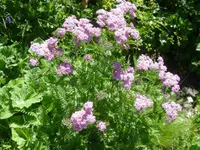
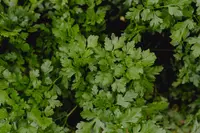
Alps yarrow, Achillea distans, is a compact, herbaceous perennial from mountain regions of central and southern Europe. It typically forms low clumps with finely divided, feathery leaves. In summer it sends up short stems topped with flat clusters of small white to pale pink flowers, often attracting pollinators. The growth habit is neat and mat-forming, which suits rock gardens and edging. This species is adapted to sunny, open slopes with well-drained, often rocky or poor soils, and it tolerates wind, temperature swings, and brief dry periods. These traits usually make it straightforward to care for Alps yarrow in similar garden conditions.

Main Plant Requirements

Care Difficulty

Easy Care

Light Preference

Full Sun

Water Requirements

Low Water

Temperature Preference

Cold Hardy

Hardiness Zone

4–8

Soil Texture

Sandy, Loamy, Rocky

Soil pH

Slightly acidic (6.5–7.0), Slightly alkaline (7.0–7.5)

Soil Drainage

Well-drained

Fertilization

Minimal (feed rarely)

Get Personalized Care Plan

Scan your plant to receive care tips personalized for your specific plant

Available on iOS and Android

How to Care for the Alps yarrow

Achillea distans thrives in strong light and performs best in open, sunny positions.

  • Provide 6–8 hours of direct sun daily; full sun promotes dense growth and abundant flowering for Alps yarrow.
  • Plant in a site with morning to early afternoon sun; it tolerates light afternoon shade in hotter regions to reduce stress and leaf scorch.
  • In areas with short days or frequent cloud cover, choose the brightest, south-facing exposure and avoid deep shade, which leads to weak, floppy stems and reduced blooms.

Achillea distans prefers dry to moderately moist soil and is sensitive to excess water.

  • Allow the top 5–8 cm of soil to dry before watering; in the ground this often means waiting until foliage looks slightly less turgid but not wilted.
  • Use sharply drained, sandy or gravelly soil so water runs through quickly, reducing the risk of root rot and winter crown rot.
  • In cooler months or rainy periods, water only if drought persists; signs of overwatering include yellowing, limp stems, while crisp, browning leaf tips suggest underwatering.

This species is a cold-hardy perennial that handles a wide temperature range when established.

  • Aim for active growth in 60–75°F (16–24°C); flowering and foliage quality are most consistent in this range.
  • Mature plants tolerate down to about -20°F (-29°C) with good drainage, but young plants benefit from protection from freeze–thaw cycles.
  • In summer, it copes with 85–95°F (29–35°C) if soil is not waterlogged; prolonged extreme heat may shorten flowering, so avoid reflective, heat-trapping sites.

Humidity is rarely critical for Achillea distans, which prefers dry, airy conditions.

Achillea distans thrives in lean, well-drained mineral soils that mimic its natural alpine habitats.

  • Use a sandy or gritty loam with 30–50% sharp sand or fine gravel to keep structure open.
  • Aim for slightly alkaline to neutral pH around 7.0–8.0; add a small amount of garden lime if soil is acidic.
  • Mix in only light, well-rotted compost (10–20%) to avoid overly rich, moisture-holding substrates.
  • Avoid heavy clay, peat-heavy mixes, or spots where water lingers more than a few hours after rain.

This species is suitable for container growing if the pot is prepared to stay relatively dry and free-draining.

  • Choose a wide, shallow to medium-depth pot to accommodate its spreading, fibrous roots without excess wet substrate.
  • Use a mineral-rich mix with plenty of grit or small gravel so water drains within minutes after watering.
  • Select unglazed terracotta or other breathable materials to let excess moisture evaporate quickly in wet weather.

Achillea distans is adapted to lean soils and needs only light feeding to perform well.

  • Use a balanced, slow-release fertilizer or thin layer of compost in early spring for outdoor clumps of Alps yarrow.
  • Feed established plants once per growing season; avoid frequent applications that push weak, floppy growth.
  • Apply at 1/2 strength if using liquid fertilizer, always onto moist soil, not dry roots.
  • Skip feeding in winter or dormancy to prevent soft, cold-sensitive growth.

Pruning Achillea distans supports compact growth and sustained flowering.

  • Deadhead fading flower stems in mid to late summer using clean hand pruners to encourage more blooms.
  • Cut back spent flower stalks to just above the foliage mound, avoiding removal of healthy basal leaves.
  • Remove dead, damaged, or crowded shoots in early spring to open the clump and reduce disease risk.
  • Shear the plant lightly after main flowering to refresh shape and promote dense new foliage.

Transplanting is more common than repotting for Achillea distans, which is usually grown outdoors.

  • Plan division or transplanting every 3–4 years when clumps thin in the center or growth becomes weak.
  • Move plants in early spring or early fall so roots can re-establish in cool, moist conditions.
  • Lift the clump carefully, shake off excess soil, and separate sections with healthy roots and several shoots.
  • Replant divisions at the same depth in well-drained soil, water thoroughly, then keep evenly moist for 1–2 weeks to limit stress.

Achillea distans is commonly propagated by division and seeds for garden expansion or renewal.

  • Divide mature clumps in early spring or early fall, ensuring each division has strong roots and multiple shoots.
  • Sow seeds in late winter to early spring on the soil surface, as they need light to germinate.
  • Maintain 65–70°F, bright light, and lightly moist substrate until seedlings establish.
  • Space new plants to allow air circulation, reducing mildew risk as they mature.

Achillea distans is generally cold hardy and needs only minimal winter care outdoors in most temperate climates.

  • Allow top growth to die back naturally, then cut stems to 5–8 cm above ground after hard frost.
  • Apply a light mulch layer around the crown in colder regions to moderate soil temperature fluctuations.
  • For container plants in very cold zones, move pots to a sheltered, unheated but frost-free spot to protect roots.

Care Tips

Spring division timing

Lift and divide clumps every 3–4 years in early spring just as new shoots appear, replanting only the most vigorous outer sections to keep plants compact and floriferous.

Staggered deadheading

Instead of shearing all spent blooms at once, remove fading flower stems in stages so some heads can feed pollinators while others are cut to encourage new flowering flushes.

Selective staking method

In windy or exposed sites, insert low, discreet ring stakes around young plants in late spring so stems grow through the support and remain upright without looking tied or rigid.

Targeted self-seeding control

Allow only the strongest, best-placed plants to set seed and remove seed heads from unwanted areas before they dry, which manages spread while still letting you grow Achillea distans into informal drifts.

Drought hardening practice

In the second year and beyond, gradually lengthen the interval between deep waterings during spring to encourage deeper rooting and better resilience to midsummer drought when caring for Alps yarrow.

Common Pests and Diseases

Powdery mildew

This disease appears as white, powdery patches on leaves and flower stems, often in dense plantings or humid, stagnant air. Symptoms include distorted growth and reduced flowering if the infection is strong.

Solution

Thin or divide crowded clumps to improve air circulation, avoid overhead watering, and remove heavily infected stems. If needed, apply a sulfur or potassium bicarbonate fungicide labeled for ornamentals, starting early when the first spots appear.

Botrytis blight

This disease causes brown, water-soaked spots on flower heads and upper stems that quickly turn gray and fuzzy under cool, damp conditions. Symptoms include blighted flower clusters that collapse and fail to set seed properly.

Solution

Remove and discard all affected flower heads and stems, keep spent blooms deadheaded, and avoid wetting foliage late in the day. In prolonged cool, wet weather, a labeled ornamental fungicide for gray mold can be used as a preventive on high-value clumps according to Achillea distans care recommendations for good airflow and dryness around the plant base.

Aphids

These insects feed on young stems and flower stalks, causing curling or yellowing growth and sticky honeydew deposits that can attract sooty mold. This pest often concentrates on tender shoot tips in late spring and early summer.

Solution

Spray colonies off with a strong stream of water, focusing on shoot tips and the undersides of leaves. For persistent infestations, treat with insecticidal soap or a light horticultural oil, repeating as needed while protecting beneficial insects by treating early in the morning or late in the day.

Spittlebugs

These insects hide inside white, foamy masses on stems and leaf joints and suck sap, which can slightly weaken plants and mar their appearance. Symptoms include scattered foam patches that appear in late spring to early summer.

Solution

Crush or wipe off the foam masses by hand or wash them away with a strong water spray, repeating every few days until activity drops. Chemical control is rarely necessary; maintaining a healthy, vigorously growing clump through proper watering and full sun exposure usually keeps damage minimal.

Leaf spot complex

This disease group causes small, dark brown to purple spots on lower leaves that may merge, leading to premature yellowing and drop, especially in humid or wet seasons. Symptoms include cosmetic damage more than plant death, but flowering can be reduced in severe cases.

Solution

Remove and discard affected lower foliage, water at the soil level instead of overhead, and keep mulch away from the crown to reduce humidity around leaves. In landscapes with repeated yearly problems, apply a broad-spectrum ornamental fungicide at the first sign of spotting and rotate products if used more than once per season.

Interesting Facts

Alpine habitat specialist

This species is native to high mountain regions of central and southeastern Europe, where it grows on open, rocky slopes, subalpine grasslands, and limestone screes exposed to strong sun and wind.

Preference for calcareous soils

It shows a marked preference for calcareous substrates, meaning it is most often found on lime-rich, alkaline soils derived from limestone or dolomite bedrock.

Distinctive inflorescence structure

The flower heads form flat to slightly convex clusters made of many small capitula, a composite structure typical for the daisy family but with notably compact, closely packed heads in this species.

FAQs about Alps yarrow

Sparse or absent flowering often results from too much shade, overly rich or wet soil, or excessive nitrogen fertilizer. Deadheading spent blooms and keeping the soil free-draining and lean usually restores normal flowering over the next season.

Grow Healthy Plants with Botan Care

Keep your plants happy and healthy with plant identification, disease detection, and easy care guidance.

Botan plant care app — identify plants on mobile

Explore More Plants