western false asphodel Care (Triantha occidentalis)

western false asphodel

About western false asphodel

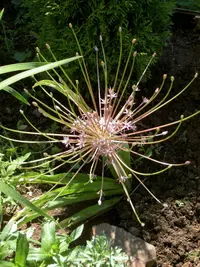
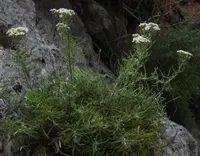
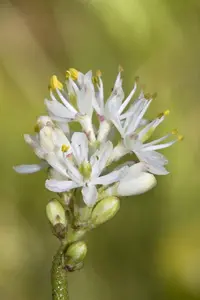
Western false asphodel (Triantha occidentalis) is a small, herbaceous perennial native to wet meadows, bogs, and stream edges in western North America. It forms narrow, grasslike leaves at the base and sends up slender, upright stems topped with small white star-shaped flowers. The plant thrives in consistently moist, cool conditions and nutrient-poor, acidic soils, reflecting its bog habitat. It suits naturalistic or wetland-style plantings rather than typical dry garden beds. Gardeners who care for western false asphodel need to focus mainly on stable moisture and suitable soil conditions, which are the main factors that influence its ease of cultivation.

Main Plant Requirements

Care Difficulty

Hard Care

Light Preference

Partial Sun

Water Requirements

Aquatic

Temperature Preference

Cold Hardy

Hardiness Zone

3–8

Soil Texture

Sandy, Silty, Organic-rich

Soil pH

Strongly acidic (4.5–5.5), Acidic (5.5–6.5)

Soil Drainage

Waterlogged tolerant

Fertilization

Minimal (feed rarely)

Get Personalized Care Plan

Scan your plant to receive care tips personalized for your specific plant

Available on iOS and Android

How to Care for the western false asphodel

This wetland perennial prefers bright, cool light conditions that mimic open bogs and fens.

  • Provide 4–6 hours of direct morning or late-afternoon sun with light dappled shade at midday to prevent leaf scorching in hot, exposed sites.
  • Tolerates bright, open partial shade, but stems of western false asphodel may elongate and flowering can decline if total direct sun drops below about 3 hours daily.
  • In hotter regions, shift plants to spots with more filtered light in late spring and summer, then allow more open sun in cooler seasons to support strong growth.

This species naturally grows in saturated soils, so moisture management is critical.

  • Keep the root zone consistently moist to wet in the growing season; in ground, the soil surface should never dry out more than the top 1–2 cm.
  • Aim for slow, even moisture from rainfall or gentle irrigation, using organic, peat-rich or muck soils that hold water yet still allow some oxygen around Triantha occidentalis roots.
  • Watch for stress signs: drooping, dull foliage, and dry, cracked surface indicate too little water; foul smell, slimy roots, or yellowing leaves in standing, stagnant water signal anaerobic, oxygen-poor conditions.

This cool-temperate wetland plant is adapted to mild summers and cold winters.

  • Active growth is strongest around 55–70°F (13–21°C), with flowering and foliage production best in cool to moderately warm conditions rather than intense heat.
  • Dormant roots tolerate winter cold down to about 5–10°F (-15 to -12°C) under natural insulation from snow or mulch, but exposed crowns can suffer damage below this range.
  • In hot climates, prolonged temperatures above 85°F (29°C) can stress plants; provide more shade and ample moisture during heat waves and avoid planting in heat-reflective sites.

This wetland species prefers consistently moist air but adapts to a range of outdoor humidity.

  • Aim for 50–80% humidity, which commonly occurs near bogs, streams, or wet meadows.
  • Tolerates brief drier spells, but prolonged air below 40% can slow growth and cause leaf tip browning.
  • If grown away from natural wetlands, increase humidity by grouping plants near shallow water trays or an unglazed pebble basin.

Triantha occidentalis thrives in saturated, organic-rich, acidic substrates that mimic bog or fen edges.

  • Use a mix of roughly 50% sphagnum peat, 30–40% coarse sand, and 10–20% fine bark or perlite to keep roots wet yet aerated.
  • Maintain very slow drainage with a water-retentive layer, such as peat and fine sand, while avoiding compacted, anaerobic sludge.
  • Target a slightly acidic to acidic pH of about 4.5–6.0, similar to many bog plants and carnivorous species.
  • Avoid alkaline, heavy clay, or highly fertilized garden soil, which can cause nutrient imbalance and root decline.

This species can be grown in containers if the pot is managed to stay consistently wet and stable.

  • Choose a tall, heavy container to support the vertical flower stalks and reduce tipping in wind or on balconies.
  • Select plastic or glazed ceramic pots to slow evaporation so the saturated bog-style mix does not dry between waterings.
  • Stand the pot in a shallow outer tray of water to keep the root zone constantly moist without submerging the crown.

This wetland native generally grows well without extra feeding, so fertilizer use should stay light and targeted.

  • If growth is weak in very poor soil, use a balanced, dilute liquid fertilizer (around 10-10-10 at 1/4 strength) in spring.
  • Apply once every 4–6 weeks during the main growing season only, while soil stays consistently moist.
  • Avoid fertilizing in fall and winter dormancy, as western false asphodel naturally slows growth.
  • Do not apply fertilizer to dry soil; water first to reduce root burn risk.

Pruning needs for Triantha occidentalis are minimal and focus on cleaning rather than reshaping the plant.

  • Best time for pruning is late fall or early spring, after flowering has finished and foliage dies back.
  • Remove spent flower stalks, dead or damaged leaves, and any rotting material to limit fungal problems.
  • Use clean, sharp scissors or hand pruners to cut stems at the base without tearing tissue.
  • Light cleanup pruning keeps clumps tidy while preserving the plant’s natural habit and flowering performance.

This species is usually grown in the ground or in bog gardens, so focus on careful transplanting rather than frequent repotting.

  • Transplant in early spring or early fall, when temperatures are mild and soil is moist.
  • Look for signs such as crowded clumps, reduced flowering, or slow growth in overly compacted soil.
  • Divide and move clumps every 3–5 years, keeping roots constantly damp to limit stress.
  • Lift with a generous soil mass, replant at the same depth, water thoroughly, and maintain saturated, low-nutrient conditions.

Propagation of Triantha occidentalis is feasible but slower than many ornamentals, relying mainly on seed and clump division.

  • Divide mature clumps in early spring or fall, keeping each division with several shoots and intact roots.
  • Keep divisions in consistently moist to saturated, low-fertility substrate until established.
  • Sow fresh seed on the surface of moist, acidic mix; do not bury deeply, as light aids germination.
  • Provide cool to mild temperatures and steady moisture; germination may be gradual over several weeks to months.

This cold-hardy wetland plant usually needs little special winter care in climates similar to its native range.

  • Tolerates freezing temperatures when crowns are in consistently moist or saturated soil.
  • In very cold regions, apply a 5–8 cm layer of loose mulch around the root zone after soil cools.
  • Container-grown plants benefit from moving pots into a cold but frost-sheltered area to prevent root freezing.

Care Tips

Support Flower Spikes

Install thin bamboo canes or small wire hoops early in the season so the tall, narrow flowering stems stay upright and are not snapped by wind or heavy rain.

Mimic Bog Edges

Plant in a shallow, non-draining liner or buried tray filled with sandy, organic soil so moisture remains high around the roots without exposing them to moving or nutrient-rich water that can stress the plant.

Avoid Nutrient Runoff

Site the plant away from lawn fertilizer zones and uphill beds so nutrient-rich runoff does not reach the planting area, which can lead to weak, overly lush growth and reduced vigor.

Cool Root Zone

Apply a thin, loose layer of coarse sand or fine gravel over the root area to keep the root zone cool, reduce surface evaporation, and stabilize moisture levels without smothering the crown.

Monitor Natural Prey

Leave small insects on the plant undisturbed and avoid broad-spectrum insecticides because part of caring for western false asphodel relies on allowing its natural insect-trapping habit to contribute to its nutrient intake.

Common Pests and Diseases

Aphids

These insects sometimes colonize the flowering stems and leaf bases, feeding on sap and causing distortion or sticky honeydew deposits. This pest is more common on plants growing in relatively sheltered, nutrient‑rich wet meadows or garden settings.

Solution

Rinse colonies off the stems and leaves with a firm stream of clean water, repeating as needed during the season, and avoid overfertilizing, which encourages soft, aphid‑prone growth. If populations persist, spot treat clusters with an insecticidal soap labeled for ornamental wetland plants, taking care to keep runoff out of natural waterways when growing western false asphodel near streams or bogs.

Slugs and snails

These pests feed on young shoots and foliage, especially in the moist, cool habitats where this species naturally grows. Symptoms include irregular holes, shredded leaf tips, and slime trails on or near the plants.

Solution

Hand‑pick slugs and snails at dusk or early morning and use simple barriers such as copper tape or rough grit around small cultivated clumps. In garden situations, place slug traps away from the planting to draw pests away from T. occidentalis and remove any dense debris where they can hide during the day.

Leaf spot

This disease can appear in persistently wet seasons as small brown to gray spots on leaves that may coalesce, leading to premature yellowing. Symptoms include more damage on crowded plants with poor air movement in saturated soils.

Solution

Remove and discard affected leaves to reduce fungal spore load, and thin surrounding vegetation slightly to improve air circulation without drying the site completely. In cultivated beds, avoid overhead watering and keep leaves as dry as possible; if outbreaks recur yearly, a preventive sulfur or copper‑based fungicide can be used early in the season according to label directions.

Rust

This disease shows as small orange‑brown pustules on the undersides of leaves and stems, sometimes causing yellowing or early leaf drop. This pathogen favors cool, moist conditions that match the plant’s natural bog or fen habitats.

Solution

Promptly remove and destroy infected foliage and any heavily affected stems at the end of the season to limit overwintering spores. Maintain good spacing in cultivated plantings, water at soil level when irrigation is needed, and avoid moving contaminated plant debris or tools between sites without cleaning them.

Interesting Facts

Inconspicuous carnivorous species

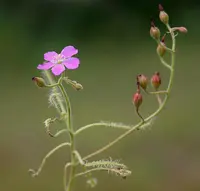
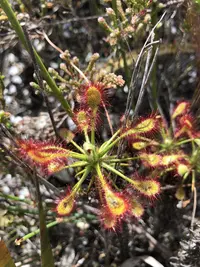
This species is a confirmed carnivorous plant that captures small insects on sticky hairs along its flowering stem and then absorbs nutrients from them, an adaptation to nutrient-poor bog soils.

Phosphorus-avoiding trap

Its glandular hairs can trap insects without strongly attracting pollinators, allowing the plant to gain extra nutrients while reducing the risk of harming its pollinating insects.

Bog and fen specialist

The species is native to nutrient-poor wetlands in western North America, where its carnivory likely helps compensate for low nitrogen availability in saturated, acidic substrates.

Botan icon

Did you know?

Unlike many carnivorous plants with modified leaves, this species concentrates its insect-trapping glands on the upper part of the flowering stalk, a highly unusual placement among carnivorous plants that helps keep its flowers accessible to pollinators.

FAQs about western false asphodel

This species grows best outdoors in cool, moist, sunny to lightly shaded sites that mimic its bog and wet meadow habitat. Western false asphodel indoor care is challenging because typical home conditions are too dry and warm.

Grow Healthy Plants with Botan Care

Keep your plants happy and healthy with plant identification, disease detection, and easy care guidance.

Botan plant care app — identify plants on mobile

Explore More Plants