Indian Sundew Care (Drosera indica)

Indian Sundew

About Indian Sundew

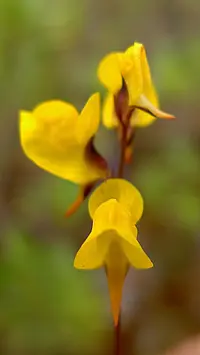
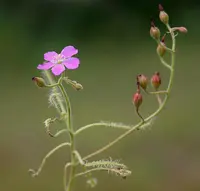
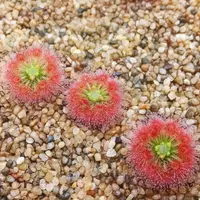
Indian sundew, Drosera indica, is a fast-growing annual carnivorous plant that traps small insects with sticky, glistening hairs on its slender leaves. The plants are usually upright and delicate, with narrow stems and colorful tentacles that give them a fine, feathery look.

This species occurs naturally in warm, sunny, seasonally wet habitats across parts of Asia, Australia, and Africa. It prefers nutrient-poor, acidic, constantly moist soils, which makes ordinary potting mixes unsuitable.

Indian sundew can be rewarding but somewhat challenging, as it dislikes mineral-rich water, drying out, and root disturbance. Beginners who learn how to care for Indian Sundew often find it more manageable in controlled indoor or greenhouse conditions.

Main Plant Requirements

Care Difficulty

Hard Care

Light Preference

Full Sun

Water Requirements

Aquatic

Temperature Preference

Tropical / Frost Sensitive

Hardiness Zone

11–12

Soil Texture

Sandy, Peaty, Organic-rich

Soil pH

Strongly acidic (4.5–5.5)

Soil Drainage

Waterlogged tolerant

Fertilization

Minimal (feed rarely)

Get Personalized Care Plan

Scan your plant to receive care tips personalized for your specific plant

Available on iOS and Android

How to Care for the Indian Sundew

This sun-loving carnivorous plant needs strong light to form healthy traps and color.

  • Provide 6–8 hours of direct sun, ideally gentle morning sun plus bright midday light; light afternoon shade helps prevent leaf scorch in very hot climates.
  • In cooler or coastal areas, full sun all day suits Indian Sundew, but in inland heat, use 30–40% shade cloth during peak summer.
  • If new leaves stretch, lose red coloration, or dew droplets decrease, increase light exposure gradually over 7–10 days.

This species prefers constantly moist, low-mineral conditions similar to a bog edge.

  • Use the tray method: stand pots in 1–2 cm of rainwater, distilled, or reverse-osmosis water, allowing the tray to almost dry before refilling.
  • Keep peat-based media damp throughout; if the surface dries more than 0.5–1 cm or dew beads shrink, increase water depth or frequency.
  • Reduce water slightly in cooler seasons to avoid stagnant conditions; if leaves blacken from the base or smell sour, suspect overwatering and improve aeration.

This warm-season annual thrives in consistently warm, frost-free conditions.

  • Aim for 75–90°F (24–32°C) for active growth; short peaks to 95°F (35°C) are tolerated if roots stay moist and leaves are not in reflected heat.
  • Avoid cold: growth slows below 60°F (16°C) and Drosera indica is usually killed by frost near 32°F (0°C), so protect plants during cold snaps.
  • In regions with cool winters, grow it as a summer annual, sowing when night temperatures stay above 55°F (13°C) to maximize the warm growing window.

This species prefers consistently moist air but adapts if roots never dry out.

  • Aim for 50–70% humidity to keep glands dewy and insect-trapping efficient for Indian Sundew.
  • Tolerates brief dips to 35–40% if soil stays wet, but prolonged dry air reduces mucilage and leaf vigor.
  • Low humidity stress shows as dull, less sticky tentacles and leaf tip browning, so raise humidity with nearby trays of water, grouped plants, or a mesh-covered terrarium with airflow.

This carnivorous species needs a nutrient-poor, open, and consistently wet substrate.

  • Use 1:1 sphagnum peat moss and coarse silica sand or perlite for Drosera indica to mimic sandy bog conditions.
  • Keep the mix free-draining yet water-retentive; it should stay saturated but never become anaerobic or foul-smelling.
  • Target a strongly acidic pH around 4.0–5.5 and avoid lime, fertilizer, compost, or manure, which burn roots.
  • Improve aeration by adding extra coarse sand or perlite for deeper pots, especially in cooler climates where evaporation is slower.

This species is well suited to container culture when moisture and stability are controlled carefully.

  • Choose a tall, narrow pot to accommodate the taproot and keep the wet zone around the lower substrate column.
  • Use light-colored plastic pots to limit overheating and slow evaporation in full sun compared with dark or clay containers.
  • Stand the pot in a shallow tray of low-mineral water so the lower 1–2 cm of the mix stays consistently saturated without flooding the crown.

Drosera indica is highly sensitive to mineral salts and usually performs best without conventional fertilization.

Pruning needs for Drosera indica are minimal and focus on hygiene rather than shaping.

  • Use fine scissors or small snips to remove dead or blackened leaves at the base during the growing season.
  • Cut away any moldy or decaying insect remains that stick to leaves to limit fungal problems.
  • Remove entire spent flower stalks once seed has been collected to conserve the plant’s energy.

Container-grown Indian Sundew is short-lived and usually only needs repotting to refresh its carnivorous mix.

  • Repot every 1 year or when peat–sand media compacts, drains poorly, or roots reach drainage holes.
  • Best timing is early spring as growth starts, before strong heat and flowering.
  • Use fresh nutrient-poor mix (e.g. 1:1 peat:silica sand) and a slightly larger pot with good drainage.
  • Water thoroughly with rain or distilled water after repotting to settle the mix and reduce root stress.

Propagation of Drosera indica is most reliable from seed under warm, bright, humid conditions.

  • Sow fresh seed in late winter to spring on the surface of moist peat–sand mix without covering it.
  • Maintain 70–80°F, high humidity, and bright filtered light for germination over several weeks.
  • Keep the medium constantly damp with rain or distilled water from below to avoid disturbing tiny seeds.
  • Transplant seedlings only when they have several true leaves, handling roots very gently.

Drosera indica is a warm-season, frost-sensitive species that usually dies back when exposed to cold.

  • Treat outdoor plants as annuals in regions with frost, re-sowing each year from seed.
  • For containers, keep plants above 55°F and in high light during winter, ideally in a heated greenhouse or bright windowsill.
  • Avoid letting pots sit cold and waterlogged, which quickly damages roots and crowns.

Care Tips

Use Tall Pots

Plant in narrow, 10–20 cm deep pots to give the long, fine roots room to run downward and to keep the lower substrate evenly moist without waterlogging the crown.

Seasonal Rest Signal

In late season, allow slightly drier, brighter conditions to encourage natural dieback and seed set, then collect mature brown seed pods and store seeds cool and dry for the next sowing cycle.

Bottom‑Heat for Seedlings

Place seed trays on a heat mat set around 75–80°F to speed and even out germination, especially when starting early in the season or in cooler homes.

Airflow Against Mold

Use a small, gentle fan aimed past, not directly at, the plants to maintain light air movement that reduces mold on damp media and insect prey without drying leaf glands.

Prey Load Management

If many insects are present, occasionally remove excess large prey with tweezers so leaves are not overwhelmed and rotting insects do not foul the foliage, which supports long‑term Drosera indica plant care.

Common Pests and Diseases

Aphids

These insects cluster on young flower stalks and leaf bases, sucking sap and causing distorted growth and reduced dew production.

Solution

Rinse plants gently with rainwater or distilled water to dislodge colonies, then use a low-dose, carnivorous-plant-safe systemic or contact insecticide if needed, avoiding wetting the sticky leaf surfaces excessively. Reducing excess nitrogen and keeping plants in brighter light often makes conditions less favorable for aphid buildup and supports overall Drosera indica plant care.

Fungus gnats

These insects are attracted to constantly wet media and organic matter, and larvae may damage fine roots and seedlings, weakening the plant.

Solution

Allow the surface of the growing medium to approach damp rather than saturated between waterings and use clean, low-organic substrates. Yellow sticky traps above the pots and a biological control such as Bacillus thuringiensis israelensis (BTI) in the water can reduce adult and larval populations without harming the sundew.

Spider mites

These pests appear in hot, dry air and can cause pale, stippled leaves with reduced mucilage and fine webbing on flower stems or leaf bases.

Solution

Increase humidity and airflow, then rinse foliage gently with lukewarm distilled or rainwater to remove mites and webbing. If populations persist, apply a targeted miticide safe for delicate foliage, treating the undersides of leaves and repeating according to label directions while keeping the plant out of strong sun during application.

Botrytis blight

This disease develops on old leaves or flower stalks in cool, stagnant, humid air, creating gray, fuzzy mold and leading to tissue collapse.

Solution

Remove and discard all affected leaves and spent flower stalks, then improve spacing and airflow while avoiding water sitting on foliage. In persistent cases, use a fungicide labeled for Botrytis on ornamentals in light doses and keep the plant in brighter, moving air to prevent recurrence.

Leaf spot fungus

Symptoms include small brown to black spots on leaves that may merge, reducing active trapping area and overall vigor, especially in crowded trays.

Solution

Promptly remove and discard spotted leaves, reduce overhead watering, and increase ventilation around the plants. If spots continue to spread, apply a mild, broad-spectrum fungicide suitable for sensitive ornamentals, testing on a small area first and maintaining clean pots, tools, and water sources to limit reinfection.

Interesting Facts

Slender annual hunter

This species is one of the few carnivorous sundews that grows as a tall, very slender annual, often exceeding 30 cm in height with a single, unbranched stem in suitable wild habitats.

Sticky tentacle zoning

Its leaves show clear functional zoning: long marginal tentacles act mainly for prey capture, while shorter inner tentacles specialize in digestion and nutrient absorption.

Heat-adapted carnivore

Native populations occur in seasonally hot, open habitats across tropical Asia and northern Australia, where the plant continues active insect trapping at temperatures that stress many other sundew species.

Botan icon

Did you know?

Charles Darwin studied this species and described its rapid tentacle movement and digestive response in his 1875 book Insectivorous Plants, using it as an important model for understanding active carnivory in plants.

FAQs about Indian Sundew

Leaf curling usually comes from low humidity, mineral-rich water, or too little prey. Use rain, distilled, or reverse-osmosis water, keep humidity moderately high, and ensure the plant can catch small insects or supplement occasionally.

Grow Healthy Plants with Botan Care

Keep your plants happy and healthy with plant identification, disease detection, and easy care guidance.

Botan plant care app — identify plants on mobile

Explore More Plants