Mulch Root Zone
Apply a 3–5 cm layer of pine bark or conifer needle mulch over the root zone, keeping it 3–5 cm away from the stems, to keep the shallow roots cool, moist, and protected from mechanical damage.

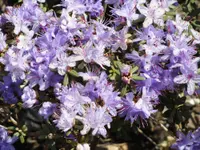
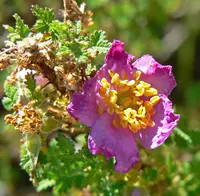
Dwarf purple rhododendron (Rhododendron impeditum) is a compact, evergreen shrub valued for its dense growth and abundant spring flowers. It usually forms a low, rounded mound with small, aromatic leaves and heavy clusters of purple to violet blooms.
This species comes from high-altitude, rocky habitats in southwestern China, which explains its preference for cool conditions and free-draining, acidic soil. Its slow, tidy growth and modest size make it suitable for small gardens, rock gardens, and containers.
Rhododendron impeditum is generally considered moderate in difficulty, as it dislikes waterlogged soil, summer heat, and alkaline conditions. Light shade, consistent moisture, and acidic, organic-rich soil are key when learning how to care for dwarf purple rhododendron.

Care Difficulty
Moderate Care

Light Preference
Partial Shade

Water Requirements
Regular Water

Temperature Preference
Cold Hardy

Hardiness Zone
5–8

Soil Texture
Loamy, Peaty, Organic-rich

Soil pH
Strongly acidic (4.5–5.5), Acidic (5.5–6.5)

Soil Drainage
Moist but well-drained

Fertilization
Minimal (feed rarely)
Scan your plant to receive care tips personalized for your specific plant
Available on iOS and Android
This compact alpine shrub thrives in cool, bright conditions with gentle sun exposure.
This rhododendron prefers consistently moist, cool soil that never becomes waterlogged.
This species favors cool, temperate conditions and shows good cold tolerance once established.
This compact rhododendron prefers moderately moist air and reacts quickly to very dry conditions.
This species needs consistently moist, sharply drained, acidic soil to avoid root damage and nutrient lockout.
This small shrub is well suited to container growing when roots and drainage are carefully managed.
This compact shrub benefits from light, targeted feeding rather than heavy fertilizer applications.
Rhododendron impeditum needs only light, selective pruning to maintain a dense, rounded shape.
This small rhododendron adapts to containers and small garden spaces but dislikes frequent disturbance of its roots.
Rhododendron impeditum is commonly propagated vegetatively to maintain desired flower color and compact habit.
This dwarf rhododendron is moderately cold hardy but benefits from basic winter protection, especially in containers.

Plant Health Check
Not sure what's wrong with your plant? Check your plant's health inside the app.
This species naturally forms very low, cushion-like shrubs on exposed rocky slopes in western China, often staying under 40 cm tall even in ideal conditions due to its true genetic dwarfism rather than pruning or harsh climate.
The small, grey‑green leaves are densely packed and often emit a subtle resinous scent when rubbed, a trait that helps reduce water loss and protect the foliage in the cold, windy habitats where it evolved.
In its native range, it flowers in spring at relatively low temperatures, an adaptation that allows pollination to occur before taller vegetation leafs out and shades the plant and its pollinators.

This species was among the early true dwarf rhododendrons introduced into Western horticulture from Sichuan and Yunnan in the early 20th century, and it has since been widely used in breeding programs to create compact rock-garden hybrids with purple flowers.
This species is a small evergreen shrub, so it keeps its leaves year-round rather than dropping them in winter. Older foliage is shed gradually, but the plant maintains a dense canopy of small, leathery leaves in all seasons.
Keep your plants happy and healthy with plant identification, disease detection, and easy care guidance.