BotaN logo

sweetbay magnolia Care (Magnolia virginiana)

Also known as: Swamp Bay, sweetbay magnolia, Swamp Laurel, Sweet Magnolia, White Bay, laurel magnolia, Beaver-wood, castor-wood
sweetbay magnolia

About sweetbay magnolia

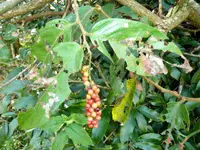
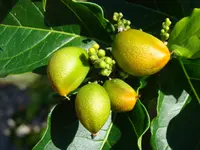
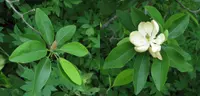
Sweetbay magnolia (Magnolia virginiana) is a small to medium tree or large shrub known for its creamy white, lemon-scented flowers and elegant, upright habit. The foliage is green above and silvery beneath, giving the plant a soft, refined look even when not in bloom.

This species is native to the coastal plains and wetlands of the southeastern United States, where it naturally grows in moist, acidic soils. It is considered relatively easy to grow if its need for consistent moisture and well-drained, slightly acidic soil is met.

Understanding how to care for sweetbay magnolia starts with providing full sun to light shade and protection from severe drought or compacted, dry soils.

Main Plant Requirements

Care Difficulty

Moderate Care

Light Preference

Partial Sun

Water Requirements

Keep Soil Moist

Temperature Preference

Cold Hardy

Hardiness Zone

5–10

Soil Texture

Sandy, Loamy, Organic-rich

Soil pH

Strongly acidic (4.5–5.5), Acidic (5.5–6.5)

Soil Drainage

Moist but well-drained

Fertilization

Minimal (feed rarely)

Get Personalized Care Plan

Scan your plant to receive care tips personalized for your specific plant

Available on iOS and Android

How to Care for the sweetbay magnolia

This coastal native favors bright conditions with some protection from harsh afternoon sun.

  • Provide 4–6 hours of direct morning sun with light afternoon shade; dappled light all day also suits sweetbay magnolia.
  • In hotter regions, shield from intense sun after 2–3 p.m. to limit leaf scorch and reduced flowering.
  • In cooler or coastal climates, it tolerates near full sun, but dense shade leads to sparse blooms and lanky growth.

This species prefers consistently moist, but not stagnant, soil from spring through fall.

  • In-ground Magnolia virginiana thrives in evenly damp soil; allow the top 3–5 cm to dry slightly before deep watering.
  • During hot, dry periods, increase frequency so leaves do not droop or brown at the edges, especially on young trees.
  • Watch for yellowing, mushy leaves as a sign of overwatering or poor drainage, and crisp leaves or early leaf drop as underwatering.

This semi-evergreen magnolia is adapted to mild, humid climates with moderate seasonal shifts.

  • Best growth occurs around 65–80°F (18–27°C), with active extension of shoots and flower production in this range.
  • Mature plants tolerate winter lows near 0°F (-18°C) once established, though young trees benefit from protection below 15°F (-9°C).
  • Heat-tolerant up to about 90–95°F (32–35°C) if soil stays moist; prolonged hard frost or sudden late freezes can damage buds and new growth.

This species prefers moderately moist air but usually adapts to typical outdoor humidity in temperate regions.

  • Target ambient humidity around 40–60% to reduce leaf edge browning, especially in hot, exposed sites.
  • It tolerates brief drier air but prolonged humidity below 30% combined with wind can cause curled, crispy leaf margins.
  • Signs of humidity stress include dull, folding leaves and browning tips on newer foliage.
  • To increase humidity outdoors, group plants near other shrubs or over mulch that is kept evenly moist without waterlogging.

Magnolia virginiana grows best in consistently moist, organic-rich soil with a fine to medium texture.

  • Use a loamy mix with high organic matter, combining native soil with compost and fine pine bark for structure.
  • Aim for slightly acidic to neutral pH (5.5–7.0); incorporate peat or pine fines if soil tests on the alkaline side.
  • Soil should stay evenly moist yet not stagnant; avoid compacted clay that holds standing water for long periods.
  • To improve drainage and aeration, create a raised planting area and loosen the top 30–40 cm, blending in compost rather than coarse sand.

This species can be grown in large containers for several years if the pot is chosen and managed carefully.

  • Select a deep, heavy container to counteract wind rock and support the plant’s developing taproot and upright growth.
  • Use a moisture-retentive but well-drained mix, such as composted bark with peat or coir and a modest portion of perlite.
  • Elevate the pot slightly on feet or pavers so drainage holes stay clear and excess water escapes quickly after rainfall or irrigation.

This native tree needs modest feeding, with most benefit during active spring–summer growth.

  • Use a balanced slow-release fertilizer (around 10-10-10) or a thin layer of compost over the root zone in early spring.
  • Apply once in spring and, if growth is weak, once more in mid-summer for young or container plants.
  • Dilute liquid products to 1/2 strength if used, and water before and after application to avoid root burn.
  • Skip feeding in fall and winter, as sweetbay magnolia is preparing for or in dormancy.

Magnolia virginiana responds well to light, targeted pruning that maintains its natural form.

  • Prune just after flowering in late spring to avoid removing next year’s flower buds.
  • Remove dead, diseased, or storm-damaged wood first using clean, sharp bypass pruners or a pruning saw.
  • Thin crowded interior branches slightly to improve airflow and light without over-opening the canopy.
  • Shorten or remove awkward crossing shoots to encourage a balanced, multi-stemmed or small-tree shape.

Transplanting is more common than repotting, as this magnolia is usually grown in the ground.

  • Look for signs such as roots circling the container, water running off quickly, or slowed growth in nursery stock.
  • Plan transplanting for early spring or early fall when air is cool and soil is still warm, about every few years if container-grown.
  • Dig a wide planting hole, keep the root ball intact, and set the crown at or slightly above soil level.
  • Water deeply, mulch 5–8 cm over the root zone, and keep soil evenly moist to reduce transplant shock.

This species is typically propagated by cuttings or seeds, though both require patience and controlled conditions.

  • Take semi-ripe cuttings in midsummer, 10–15 cm long, and remove lower leaves.
  • Dip the cut end in rooting hormone, then place in a well-draining mix under high humidity and bright, indirect light.
  • Sow fresh seeds outdoors in fall or cold-stratify indoors for 3–4 months before spring sowing.
  • Keep seed trays or cuttings evenly moist and sheltered from temperature extremes to support slow, steady establishment.

This magnolia is generally cold hardy in much of its range and needs only modest winter attention in the ground.

  • Tolerates light to moderate frosts but may suffer leaf or bud damage in exposed, windy sites.
  • Mulch 5–8 cm around the root zone in late fall, keeping mulch away from the trunk to moderate soil temperature.
  • For container plants, move pots into an unheated garage or sheltered porch once temperatures drop below about 25°F.
  • In very cold areas, wrap young trunks with breathable tree wrap to limit bark cracking and desiccation.

Care Tips

Mulch Root Zone

Apply a 5–8 cm layer of undecorative, composted bark mulch from the trunk flare out to the drip line to keep roots cool, conserve moisture, and buffer the plant from lawn mower and string trimmer damage.

Protect Trunk Base

Install a breathable trunk guard or maintain a grass-free, mulched ring around the base so the thin bark is not scarred by mechanical tools, which greatly reduces the risk of canker and borer entry.

Train Multi-Stem Form

When the plant is young, selectively remove weak crossing shoots and lightly tip-prune outward-facing buds to encourage a stable, open multi-stem structure that is less likely to split in wind or ice.

Manage Wet Sites

In naturally wet areas, plant on a slight mound and cut shallow channels away from the root zone so water moves slowly past the plant rather than standing directly at the trunk for long periods.

Monitor Scale Early

Inspect twigs and the undersides of leaves a few times each growing season for small, shell-like scale insects, and if found early, wash them off with a firm water spray or prune out localized infestations before resorting to insecticides when caring for sweetbay magnolia.

Common Pests and Diseases

Leaf spot

This disease causes circular or irregular tan to brown lesions on leaves, sometimes with a darker margin and premature leaf drop. Symptoms include scattered spots that may coalesce in wet, warm weather.

Solution

Prune and discard heavily spotted leaves to reduce inoculum and avoid overhead watering so foliage dries quickly. Improve air circulation around the canopy and, in severe or recurring cases, apply a labeled copper or chlorothalonil fungicide in early spring and after heavy rain periods, following all product directions.

Powdery mildew

This disease produces a white to gray, powdery film on young leaves and shoots, often causing distortion or reduced vigor. Symptoms include affected foliage that looks dull or dusty, especially in shaded or crowded areas.

Solution

Increase light and airflow by thinning crowded branches and avoiding dense underplanting around the magnolia. If needed, apply a sulfur or potassium bicarbonate fungicide at the first sign of mildew and repeat as directed, focusing on young, actively growing foliage.

Scale insects

These insects appear as small, immobile bumps on stems and leaf undersides and feed by sucking sap, which can lead to yellowing leaves and honeydew with sooty mold. This pest often clusters along young twigs and undersides of branches.

Solution

Prune out and discard heavily infested twigs, then gently scrub remaining scales from reachable stems with a soft brush and soapy water. For persistent infestations, use horticultural oil during the dormant season and light summer oil sprays on new growth, ensuring thorough coverage of stems and leaf undersides.

Magnolia borer

This pest is the larval stage of clearwing moths that tunnel into trunks and branches, causing oozing sap, frass (sawdust-like waste), wilting, or branch dieback. This pest favors stressed or mechanically wounded trees.

Solution

Cut out and destroy infested branches where practical and keep the tree vigorous with proper watering and mulching to reduce susceptibility. Protect trunks from mechanical damage and, in high-risk areas, consider using pheromone traps for monitoring and apply a labeled trunk or lower-stem insecticide spray at adult moth flight timing as advised by local extension services.

Aphids

These insects cluster on tender new shoots and leaf undersides, sucking sap and causing curling, distortion, and sticky honeydew that encourages sooty mold. This pest reproduces quickly in mild weather and can attract ants to the plant.

Solution

Dislodge colonies with a strong stream of water and pinch back heavily infested shoot tips. If needed, apply insecticidal soap or a light horticultural oil to young growth, repeating as directed, and limit high-nitrogen fertilization that promotes overly soft, aphid-prone foliage while following general Magnolia virginiana care guidance for balanced nutrition.

Interesting Facts

Semi-evergreen behavior

In much of its native range, this species holds many of its leaves through winter instead of dropping them all at once, which is why it is often described as semi-evergreen rather than fully deciduous.

Swamp-adapted roots

This tree is naturally adapted to coastal plain swamps, floodplains, and boggy soils, tolerating periodic flooding that would stress many other magnolia species.

Fragrant beetle-pollinated flowers

Its creamy white, lemon-scented flowers are primarily pollinated by beetles, reflecting an ancient pollination syndrome that evolved before bees became widespread.

Botan icon

Did you know?

Fossil evidence shows that the magnolia lineage, including close relatives of Magnolia virginiana, is among the oldest groups of flowering trees still alive today, with ancestral forms dating back to the Late Cretaceous period.

FAQs about sweetbay magnolia

Growth is usually moderate, about 30–60 cm per year once established. Rate depends on soil moisture, fertility, and climate. Consistent watering and organic mulch support steady shoot extension and root development without forcing weak, overly lush growth.

Grow Healthy Plants with Botan Care

Keep your plants happy and healthy with plant identification, disease detection, and easy care guidance.

Botan plant care app — identify plants on mobile

Explore More Plants