lowbush blueberry Care (Vaccinium angustifolium)

Also known as: low sweet blueberry
lowbush blueberry

About lowbush blueberry

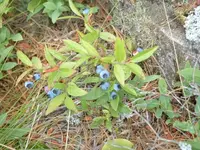
Lowbush blueberry, Vaccinium angustifolium, is a low, spreading deciduous shrub native to northeastern North America. It forms dense colonies and typically grows in open, sunny sites.

Plants have small, oval leaves that turn red in fall and produce fragrant white to pinkish bell-shaped flowers in spring, followed by small, sweet blue berries.

This species is adapted to poor, acidic, often rocky soils and cold climates, which makes it hardy but somewhat specific about site conditions. Once established, it competes well with weeds and needs relatively low maintenance.

Understanding how to care for lowbush blueberry starts with choosing a sunny, well-drained, acidic spot and avoiding heavy, waterlogged, or high-lime soils.

Main Plant Requirements

Care Difficulty

Moderate Care

Light Preference

Full Sun

Water Requirements

Regular Water

Temperature Preference

Cold Hardy

Hardiness Zone

2–6

Soil Texture

Sandy, Loamy, Organic-rich

Soil pH

Strongly acidic (4.5–5.5)

Soil Drainage

Moist but well-drained

Fertilization

Minimal (feed rarely)

Get Personalized Care Plan

Scan your plant to receive care tips personalized for your specific plant

Available on iOS and Android

How to Care for the lowbush blueberry

This low, cold-hardy shrub fruits best with strong sun but tolerates some shade in cooler regions.

  • Provide 6–8 hours of direct sun daily, with a preference for full morning sun and light afternoon shade in hotter climates.
  • Allow light partial shade (3–4 hours sun) in regions with intense summer heat; fruiting and fall color may be reduced compared with full sun.
  • Protect from extreme reflected heat from pavement or south-facing walls, which can scorch foliage and dry soil too quickly, especially in shallow, sandy sites.

Vaccinium angustifolium prefers consistently moist, acidic, well-drained soil without staying saturated.

  • Water when the top 2–3 cm of soil feels dry, aiming for soil that is evenly moist but never soggy in the root zone.
  • Increase watering in hot, windy weather and during fruit set, and reduce frequency in cool or rainy periods to avoid waterlogged conditions.
  • Watch for underwatering signs such as dull, curling leaves and dry, crumbly soil, and overwatering signs like yellowing leaves and a sour or swampy soil smell.

This cold-adapted shrub thrives in cool to mild climates and tolerates significant winter chill.

  • Support active growth at 60–75°F (16–24°C) in spring and early summer; flowering and fruit development are most reliable within this range.
  • Tolerates winter cold to about -25°F (-32°C) when fully dormant, but young plants benefit from snow cover or mulch in exposed sites.
  • In summer, sustained heat above 85–90°F (29–32°C) can stress plants; provide mulch and, if possible, afternoon shade to limit heat damage and moisture loss.

This species prefers moderate outdoor humidity and usually does not need special humidity control.

  • Aim for 40–60% humidity in outdoor-like conditions; it tolerates short dry spells if soil moisture is maintained.
  • Dry air combined with dry soil can cause leaf edge browning and reduced berry set.
  • Increase local humidity slightly with nearby mulch and groundcover rather than misting, which can encourage foliar disease.

Vaccinium angustifolium thrives in acidic, well-drained, sandy to loamy soil with high organic matter.

  • Target pH 4.0–5.5; use soil sulfur or acidic fertilizers if native soil tests above this range.
  • Blend sandy loam with pine bark fines and peat moss to create a loose, acidic, organic-rich rooting zone.
  • Ensure fast drainage by planting on a slight mound or raised bed, especially in heavy or compacted native soil.
  • Avoid clay-heavy, waterlogged, or highly limed soils, which reduce root oxygen and limit nutrient uptake.

This species can be grown in containers if the pot is deep, stable, and allows consistent root-zone moisture without waterlogging.

  • Use a wide, at least 25–30 cm deep container to accommodate its shallow, spreading root system and rhizomes.
  • Choose a heavy or weighted pot to keep the low, spreading shrub stable against wind and uneven loads from fruit.
  • Fill the container with an acidic, peat- and bark-based mix formulated for blueberries or azaleas to maintain low pH over time.

This low-growing shrub benefits from modest, targeted feeding to support fruiting without promoting excessive leafy growth.

  • Use an acid-forming fertilizer for blueberries or a balanced NPK such as 10-10-10, formulated for ericaceous plants.
  • Apply a light dose once each spring as new growth begins, and again in early summer if growth or cropping is weak.
  • Dilute liquid products to 50% strength, or use a low-rate slow-release fertilizer following label directions.
  • Avoid fertilizing during fall and winter dormancy, as late nitrogen can reduce cold hardiness in lowbush blueberry.

Vaccinium angustifolium responds well to periodic pruning that renews stems and maintains productive, compact growth.

  • Plan main pruning for late winter to very early spring, before buds break.
  • Remove dead, diseased, and damaged stems first, using clean, sharp bypass pruners.
  • Thin crowded, weak, or very old canes at the base to encourage strong new shoots and better light penetration.
  • Every 3–5 years, rejuvenate by cutting back a portion of oldest stems, preserving a balanced, low mound.

This species is usually grown in-ground, so focus on careful transplanting and only occasional container repotting.

  • Transplant in early spring or early fall when temperatures are mild and soil is moist but not waterlogged.
  • Shift container plants when roots circle the pot, soil dries very quickly, or top growth stalls despite good care.
  • Choose a wider, shallow container or garden site with acidic, well-drained soil, handling the root ball gently to limit disturbance.
  • Water thoroughly after moving, then keep soil evenly moist and shade lightly for 1–2 weeks to reduce transplant stress.

Vaccinium angustifolium is commonly propagated vegetatively to maintain desirable fruiting characteristics.

  • Take semi-hardwood cuttings in mid to late summer, 7–10 cm long, with 2–3 nodes each.
  • Insert cuttings in a moist, acidic, well-drained medium under high humidity and bright, indirect light until rooted.
  • Use simple layering in spring by pinning a flexible stem into shallow, acidic soil and severing it once roots form.
  • Seed sowing is possible but slow; provide stratification, which is a cold, moist pretreatment, for several months to improve germination.

This species is naturally cold hardy and usually needs minimal winter care in most temperate climates.

  • Tolerates substantial frost once established, but young plants benefit from some extra insulation.
  • Apply a 5–8 cm layer of bark or pine needle mulch over the root zone in late fall, avoiding direct stem contact.
  • For container plants, move pots into a sheltered, unheated but frost-moderated spot to prevent root freezing and thaw cycling.

Care Tips

Mulch For Winter

Apply a 5–8 cm layer of pine needles or shredded bark around plants in late fall to protect shallow roots from freeze–thaw cycles and help maintain the acidic conditions they prefer.

Encourage Dense Carpets

After fruiting, lightly mow or shear stems to 5–8 cm every 2–3 years to stimulate dense, low growth and increase flowering the following season.

Two‑Clone Planting

Establish at least 2–3 genetically different plants within 1–2 m of each other to improve cross‑pollination and increase berry size and yield when growing lowbush blueberry.

Pollinator Support

Avoid insecticides during bloom and plant other early‑flowering natives nearby to attract bees, which are essential for good fruit set on lowbush blueberries.

Weed‑Safe Edge Control

Use physical barriers such as edging strips, deep mulch borders, or landscape fabric outside the planting zone to stop aggressive lawn grasses from invading and outcompeting the shallow blueberry roots.

Common Pests and Diseases

Blueberry maggot

This pest is the larva of a small fruit fly that tunnels inside ripening berries, causing them to soften, collapse, and drop early. Symptoms include wrinkled fruit with tiny puncture marks on the skin.

Solution

Use yellow sticky traps or purpose-made sphere traps in early summer to monitor and reduce adult flies, and harvest fruit promptly so larvae are removed before they complete development. Where pressure is high, cover plants with fine insect netting after bloom, and collect and destroy all dropped or infested berries to break the life cycle.

Blueberry stem blight

This disease causes sudden wilting and death of individual stems or entire sections of the plant, often starting at pruning wounds or winter-injured tissue. Symptoms include brown to reddish discoloration inside affected stems when cut open.

Solution

Prune out wilted or discolored stems at least 15–20 cm below visible symptoms and destroy the material, making cuts during dry weather and disinfecting tools between plants. Maintain good plant vigor with proper watering and mulching, avoid heavy pruning during very wet periods, and reduce stress from drought or winter injury to lower infection risk.

Mummy berry

This disease infects young shoots and flowers, leading to wilted new growth and berries that shrivel into hard, whitish mummies. Symptoms include tan leaf shoots that curl like a shepherd’s crook and infected fruit that turn pale and dry instead of ripening normally.

Solution

In early spring, rake and remove or bury mummified berries to reduce the source of spores, and maintain a thick mulch layer to help keep remaining mummies from releasing spores. Prune for good air flow, avoid overhead watering during bloom, and in areas with a history of the disease, monitor carefully and remove blighted shoots as soon as they appear.

Blueberry leaf rust

This disease produces yellow leaf spots on the upper surface and orange powdery pustules on the underside, which can lead to premature leaf drop. Symptoms include thinning foliage and reduced plant vigor late in the season.

Solution

Remove and destroy heavily infected leaves and any fallen leaves around the shrubs to reduce overwintering spores. Improve airflow with careful pruning, avoid overhead irrigation, and if rust recurs yearly, consider planting in a more open, breezy location or using resistant lowbush blueberry selections where available.

Blueberry flea beetle

These insects chew small holes and ragged edges in leaves, and heavy feeding can skeletonize foliage on young plants. This pest typically jumps when disturbed and may be more noticeable along field edges or near weedy areas.

Solution

Shake branches over a tray or cloth in the morning and crush or remove beetles by hand, and reduce nearby weeds that serve as alternate hosts. For larger plantings, use row covers on young plants early in the season and, if needed, apply a targeted insecticidal soap or neem product to leaf surfaces, following label directions and avoiding open bloom periods to protect pollinators.

Interesting Facts

Fire-adapted blueberry

This lowbush species resprouts vigorously from underground rhizomes after fire, and periodic burning can actually increase its flower and fruit production in natural barrens.

Ant-dispersed seeds

Its small seeds are often moved by ants that are attracted to the sugary fruit remains, a process known as myrmecochory that helps spread the plant across nutrient-poor soils.

Cold-climate specialist

Native populations are concentrated in northeastern North America, where the plant is well adapted to cold winters and acidic, low-fertility soils that limit many competing shrubs.

Botan icon

Did you know?

This species is one of the main wild blueberries commercially harvested in eastern Canada and the northeastern US, forming extensive natural barrens that are managed as perennial fruit crops rather than planted like typical agricultural fields.

FAQs about lowbush blueberry

The berries are edible and widely used for fresh eating, baking, jams, and freezing. Leaves and stems are not commonly consumed. Always avoid berries from plants exposed to roadside pollution, pesticides, or unknown chemical treatments.

Grow Healthy Plants with Botan Care

Keep your plants happy and healthy with plant identification, disease detection, and easy care guidance.

Botan plant care app — identify plants on mobile

Explore More Plants