Sanchezia oblonga Care

Sanchezia oblonga

About Sanchezia oblonga

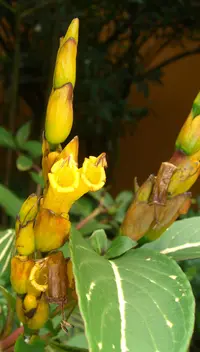
Sanchezia oblonga is a tropical evergreen shrub grown mainly for its striking foliage. It usually has large, glossy green leaves with bold yellow veins and can form a dense, upright clump. In warm conditions it may also produce tubular yellow flowers with showy bracts, adding seasonal interest.

This species is native to humid tropical regions of South America, where it grows in bright but filtered light at forest edges. It tends to be moderately demanding because it dislikes cold, dry air, and inconsistent moisture. To care for Sanchezia oblonga, aim for warm temperatures, evenly moist but well-drained soil, and protection from harsh direct sun.

Main Plant Requirements

Care Difficulty

Moderate Care

Light Preference

Partial Shade

Water Requirements

Keep Soil Moist

Temperature Preference

Tropical / Frost Sensitive

Hardiness Zone

10–11

Soil Texture

Loamy, Sandy, Organic-rich

Soil pH

Acidic (5.5–6.5), Slightly acidic (6.5–7.0)

Soil Drainage

Moist but well-drained

Fertilization

Moderate (every 2–4 weeks)

Get Personalized Care Plan

Scan your plant to receive care tips personalized for your specific plant

Available on iOS and Android

How to Care for the Sanchezia oblonga

This shrub prefers bright, indirect light with some gentle direct sun for best leaf color.

  • Provide 3–5 hours of morning sun with dappled or filtered light the rest of the day to prevent scorch on the variegated leaves.
  • In hotter climates, protect Sanchezia oblonga from harsh midday and afternoon sun; light shade from trees or shade cloth is suitable.
  • In winter, when day length drops, choose the brightest spot available and avoid dense shade, which leads to leggy, weak growth.

This species needs consistently moist but not waterlogged soil for healthy growth.

  • Water when the top 2–4 cm of soil feels dry, allowing deeper soil to stay slightly moist to support its shallow, fibrous roots.
  • Use well-draining soil and avoid standing water; symptoms of overwatering include yellowing leaves and soft stems, while crisp edges indicate underwatering.
  • In cooler seasons, reduce watering volume and frequency slightly, as lower temperatures and shorter days slow Sanchezia oblonga water use.

This tropical shrub performs best in warm, stable temperatures without frost exposure.

  • Ideal growth occurs at 65–80°F (18–27°C), where metabolic processes and leaf coloration remain stable.
  • Avoid temperatures below 55°F (13°C); brief drops near 40°F (4°C) can cause leaf drop and tissue damage, and frost can kill stems.
  • In hot periods above 90°F (32°C), provide shade during peak sun and maintain soil moisture, as heat stress increases transpiration and wilting risk.

This species prefers consistently warm, humid air to keep foliage lush and healthy.

  • Aim for 50–70% humidity; it tolerates short dips lower but prolonged very dry air causes leaf edges to brown and curl.
  • Watch for crispy margins, dull leaf color, and stalled growth as common signs of humidity stress.
  • Increase humidity with a nearby humidifier, grouping plants together, or a wide pebble tray that allows evaporation around the plant.

Sanchezia oblonga grows best in loose, moist, organic-rich soil that drains quickly yet retains some even moisture.

  • Use a mix of 2 parts peat or coco coir, 1 part compost, and 1 part perlite or coarse sand for structure and drainage.
  • Aim for slightly acidic to neutral pH, roughly 6.0–7.0, which supports nutrient availability and healthy root function.
  • Ensure the mix is crumbly and airy; dense, compacted soil restricts oxygen and raises the risk of root rot.
  • Avoid heavy clay-based mixes or those with large amounts of fine sand that hold water around the roots for too long.

This species adapts well to container growing when given stable, well-drained conditions.

  • Choose a wide, heavy container to counterbalance tall, leafy stems and reduce the risk of the pot tipping in wind.
  • Select slightly porous materials such as terracotta if outdoor conditions are humid, to help prevent the mix staying wet for too long.
  • Raise the container on feet or pot risers so drainage holes stay clear and excess water can escape quickly after rain or watering.

Nutrient-rich soil and moderate feeding support lush foliage and flowering in Sanchezia oblonga.

  • Use a balanced liquid fertilizer (around 10-10-10 or 20-20-20) diluted to 1/2 strength for container plants.
  • Feed every 4–6 weeks during the warm growing season while the plant is actively producing new shoots.
  • Pause or reduce feeding to 1 application for the whole period in cool, low-light winter conditions.
  • In beds, incorporate a thin layer of compost or a mild slow-release fertilizer in spring for steady nutrition.

Thoughtful pruning keeps Sanchezia oblonga compact, leafy, and flowering well.

  • Carry out main pruning in late winter or early spring before strong new growth starts.
  • Remove dead, damaged, or crossing stems first, then thin crowded shoots to open the center.
  • Tip back leggy stems by 1/3 to encourage bushier growth and more flowering points.
  • Use clean, sharp hand pruners and make angled cuts just above a leaf node to reduce dieback.

Container-grown Sanchezia oblonga benefits from occasional repotting to maintain root health and vigor.

  • Check for roots circling the pot, emerging from drainage holes, or slowed growth as signs it needs more space.
  • Plan to move into a pot 2–5 cm wider every 1–2 years in spring, when new growth is starting.
  • Gently loosen circling roots, trim broken ones, and set the plant at the same soil level in fresh, well-drained mix.
  • Water thoroughly after potting, keep in bright indirect light, and avoid strong sun or heavy feeding for 1–2 weeks to limit stress.

New Sanchezia oblonga plants are most often produced from softwood or semi-ripe stem cuttings.

  • Take 8–12 cm cuttings from non-flowering shoots in late spring or summer, just below a node.
  • Remove lower leaves, optionally dip the cut end in rooting hormone, and insert into moist, well-drained propagation mix.
  • Maintain high humidity (plastic cover or propagator) and warm temperatures around 70–80°F with bright, indirect light.
  • Transplant rooted cuttings to individual pots once new growth appears and roots hold the mix firmly.

Sanchezia oblonga is frost-tender and needs protection in regions with cold winters.

  • In USDA zones below 10, grow in containers and move plants indoors before temperatures drop near 50°F.
  • Provide bright indoor light, reduced watering, and good air circulation to prevent leaf drop and rot.
  • In mild climates, add 5–8 cm of mulch around outdoor plants to insulate roots from brief cool spells.
  • Avoid exposure to frost or freezing winds, which can kill stems and severely damage foliage.

Care Tips

Pinch For Bushiness

Regularly pinch out the soft shoot tips every 3–4 weeks during active growth to encourage dense, compact branching and prevent the stems from becoming tall and bare at the base.

Rotate For Even Form

Turn the pot 90° every 1–2 weeks so all sides receive similar light, which reduces leaning and keeps the plant symmetrical with evenly colored foliage.

Refresh Leggy Stems

If older stems become woody and sparse, cut them back by 1/3 in late spring and use the healthy tip cuttings as propagation material to maintain a young, vigorous clump.

Use Support Stakes

Insert thin bamboo stakes or a small ring support near fast-growing shoots and loosely tie them with soft ties to prevent breakage of the brittle stems under their own weight.

Plan Seasonal Moves

In cooler regions, grow Sanchezia oblonga in a lightweight container so it can be moved indoors or to a sheltered spot before temperatures drop, reducing stress and leaf loss from sudden environmental changes.

Common Pests and Diseases

Spider mites

This pest often appears on Sanchezia oblonga in warm, dry indoor or greenhouse conditions, causing fine stippling and a dull, dusty look on the leaves. Symptoms include fine webbing on leaf undersides and gradual yellowing or bronzing of foliage.

Solution

Rinse foliage thoroughly with a strong but controlled stream of water, focusing on leaf undersides, then repeat every few days to break the life cycle. For persistent infestations, apply insecticidal soap or a horticultural oil labeled for spider mites, improve humidity to 50–60%, and avoid placing the plant in very hot, dry spots.

Mealybugs

These insects feed on plant sap and commonly infest the soft stems and leaf nodes, leaving white cottony clusters and sticky honeydew on leaves. Symptoms include distorted new growth and sooty mold development on the sugary residue.

Solution

Isolate the plant, then dab visible mealybugs with cotton swabs dipped in 70% isopropyl alcohol and wipe affected areas. Follow with 2–3 applications of insecticidal soap or a light horticultural oil at 7–10 day intervals, and inspect leaf axils and stem joints regularly as part of caring for Sanchezia oblonga.

Scale insects

This pest appears as small, tan to brown bumps along stems and leaf midribs and can cause gradual yellowing, leaf drop, and sticky honeydew. These insects attach firmly and are often overlooked until the plant shows general decline.

Solution

Scrape or gently pry off individual scales with a fingernail or soft brush and prune heavily infested twigs. After physical removal, treat the plant with several rounds of insecticidal soap or horticultural oil, paying close attention to stems and the underside of leaves, and improve light and airflow to support recovery.

Leaf spot

This disease shows as irregular brown or dark purple spots on leaves, sometimes with yellow halos, especially in plants kept with constantly wet foliage. Symptoms include premature leaf yellowing and drop on crowded or poorly ventilated plants.

Solution

Remove and discard affected leaves, then water at the soil level to keep foliage dry and increase airflow around the plant. If spotting continues to spread, apply a copper-based or other appropriate fungicide according to label directions and avoid overhead misting or prolonged leaf wetness.

Powdery mildew

This disease presents as a white or gray powdery film on upper leaf surfaces, more common in warm conditions with poor air circulation and high humidity. Symptoms include dull, distorted leaves and reduced vigor over time.

Solution

Increase spacing and airflow, avoid overcrowding around the plant, and reduce humidity spikes by allowing leaves to dry quickly after any misting. Remove the most affected leaves and, if needed, apply a sulfur or potassium bicarbonate fungicide labeled for powdery mildew, following directions carefully and avoiding use in very high temperatures.

Interesting Facts

Nectar-rich rainforest shrub

This species is native to lowland rainforests of Ecuador and Peru, where its tubular yellow flowers provide abundant nectar for hummingbirds and other pollinators.

Coloration from leaf veins

Its striking yellow veins against dark green leaf blades are caused by strong patterning of chlorophyll-free tissues along the veins, which increases visual contrast without reducing overall photosynthesis much.

Photoperiod-sensitive blooming

In its native range it tends to flower more reliably when daylength and temperature patterns mimic equatorial conditions, which helps explain why blooming can be irregular in higher-latitude gardens.

Botan icon

Did you know?

Sanchezia oblonga is widely used as a parent plant in tropical ornamental breeding programs because its strong vein coloration is genetically dominant, meaning the vivid yellow venation often appears clearly in many of its hybrids.

FAQs about Sanchezia oblonga

Lack of flowering usually relates to insufficient maturity, inadequate light intensity, or irregular feeding. Old, spent stems can also suppress new flower spikes. Prune after flowering, maintain consistent nutrition, and avoid repeatedly cutting new shoots too early.

Grow Healthy Plants with Botan Care

Keep your plants happy and healthy with plant identification, disease detection, and easy care guidance.

Botan plant care app — identify plants on mobile

Explore More Plants