Waratah Care (Telopea speciosissima)

Also known as: New South Wales waratah
Waratah

About Waratah

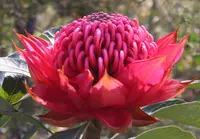
Waratah, Telopea speciosissima, is a long-lived shrub native to southeastern Australia, especially New South Wales sandstone plateaus and open forests. It is known for its large, domed flower heads surrounded by bright red bracts and thick, leathery leaves.

Plants grow upright with a woody framework and can become quite broad over time, forming a strong architectural feature in the garden. They have a naturally slow to moderate growth rate and can be sensitive to root disturbance, which makes them slightly challenging for beginners.

Waratahs prefer sunny, well-drained, slightly acidic soils and dislike heavy, waterlogged ground. Understanding these natural preferences is the key to how to care for Waratah in home gardens.

Main Plant Requirements

Care Difficulty

Hard Care

Light Preference

Full Sun

Water Requirements

Moderate Water

Temperature Preference

Warm Climate

Hardiness Zone

9–11

Soil Texture

Sandy, Loamy, Rocky

Soil pH

Strongly acidic (4.5–5.5), Acidic (5.5–6.5)

Soil Drainage

Well-drained

Fertilization

Minimal (feed rarely)

Get Personalized Care Plan

Scan your plant to receive care tips personalized for your specific plant

Available on iOS and Android

How to Care for the Waratah

This species thrives in bright, open conditions with some protection from extreme heat.

  • Provide 4–6 hours of direct morning sun, with light afternoon shade, especially in hotter regions.
  • Accepts light or dappled shade for part of the day, but dense shade reduces flowering and produces weak, leggy Waratah growth.
  • Avoid harsh all-day summer sun; leaf scorch, bronzing, or crispy leaf edges indicate too much exposure, while sparse buds and elongated stems signal insufficient light.

This shrub prefers evenly moist but never waterlogged soil once established.

  • Allow the top 3–5 cm of soil to dry before deep watering, aiming for a thorough soak rather than frequent light splashes.
  • Increase checks in hot, dry, or windy weather; leaves that droop by late afternoon and recover overnight suggest mild underwatering.
  • Use free-draining, sandy or gravelly soil to protect Telopea speciosissima from root rot; yellowing, mushy roots, or a sour smell indicate overwatering.

This plant is adapted to mild, temperate climates with cool winters and warm summers.

  • Aim for 60–75°F (16–24°C) during active growth, as this range supports strong vegetative growth and flower bud development.
  • Mature plants tolerate brief drops to about 25–28°F (-4 to -2°C), but young plants are more frost-sensitive and benefit from protection.
  • In hot spells above 90°F (32°C), provide mulch and afternoon shade to reduce heat stress, leaf scorch, and premature bud drop.

This species prefers moderately dry, well-ventilated air rather than high humidity.

  • Aim for 30–50% humidity, similar to most outdoor conditions in mild, dry climates.
  • Tolerates drier air well; problems arise more from excess moisture around foliage than from low humidity.
  • Watch for blackened bracts, fungal spots, or persistently soft new growth as signs of humidity-related disease stress and improve air movement around Waratah.

Telopea speciosissima needs sharply drained, low-nutrient soil that still retains some moisture and air in the root zone.

  • Use a sandy or gravelly loam with 30–50% coarse sand or fine gravel to ensure rapid drainage and prevent root rot.
  • Keep pH slightly acidic, around 5.0–6.0, avoiding alkaline mixes that can lock up iron and cause yellowing leaves.
  • Blend in small amounts of low-phosphorus composted bark or leaf litter for organic matter without creating a heavy, waterlogged structure.
  • Avoid clay-heavy, compacted, or peat-dominant mixes; instead, increase aeration with pine bark fines and coarse particles so water drains within a few minutes.

This species can be grown in containers if drainage and root conditions are carefully controlled.

  • Choose a tall, narrow container to match the deep, somewhat woody root system and reduce wind rock of the top-heavy growth.
  • Use a rigid, heavier pot material like thick terracotta or ceramic to stabilize the shrub against strong gusts and uneven weight distribution.
  • Raise the pot on feet or blocks so drainage holes stay clear, allowing excess water to escape quickly after heavy rain or irrigation.

This nutrient-sensitive Australian native benefits from light, infrequent feeding in poor or very sandy soils.

  • Use a low-phosphorus, slow-release native-plant fertilizer or well-aged, low-P compost rather than a standard balanced NPK product.
  • Feed once at the start of the growing season, then again mid-season only if growth is weak or foliage is pale.
  • Apply at half the label strength, keeping granules or liquid away from the stem to avoid burn.
  • Do not feed Waratah in winter; stop fertilizing 6–8 weeks before expected cold or peak summer heat.

Thoughtful pruning helps Telopea speciosissima maintain a compact shape and encourages more flowering stems.

  • Prune just after flowering, removing spent flower heads back to a healthy pair of leaves or a side shoot.
  • Cut out dead, diseased, or crossing wood with clean, sharp bypass secateurs to maintain airflow and plant health.
  • Shorten overly long or leggy shoots by up to one-third to promote bushier growth and stronger flowering stems next season.
  • Avoid cutting into very old, bare wood, as regrowth is slow; focus on younger, leafy stems instead.

This species prefers stable conditions and dislikes frequent root disturbance, so transplant only when clearly needed.

  • Look for roots circling the pot base, water running straight through, or noticeably slower growth as signs a container plant needs a larger home.
  • Plan major transplanting for late winter to early spring, before strong new growth, to reduce stress and allow quick recovery.
  • Expect young plants to need up-potting about every 2–3 years; older specimens are better left in place unless clearly failing.
  • Move gently, keeping as much of the root ball intact as possible, watering well after planting and shading from harsh sun for 1–2 weeks.

New plants are usually raised from seed, though semi-hardwood cuttings are possible with careful technique.

  • Collect fresh seed and sow in late winter to early spring in a free-draining, low-phosphorus mix kept just moist, not wet.
  • Provide bright light, good airflow, and mild temperatures around 60–70°F to support steady germination and seedling growth.
  • For cuttings, take semi-hardwood tips in late summer, use a rooting hormone, and place in a very sandy, sterile medium.
  • Maintain high humidity around cuttings with a vented cover, but avoid waterlogging to limit fungal problems.

This plant is moderately cold tolerant but benefits from some winter protection in colder regions.

  • Mature plants cope with light frosts, but young or potted specimens are more sensitive to prolonged freezes.
  • Apply a 5–8 cm layer of mulch around the root zone in late fall, keeping it clear of the main stem to prevent rot.
  • In areas below about 25°F, grow Telopea speciosissima in large containers that can be moved into a bright, cool, frost-free space.
  • Use a breathable frost cloth over small plants during severe cold snaps, removing it once temperatures rise above freezing.

Care Tips

Protective wind shelter

Install a permeable windbreak such as open timber slats or shade cloth on the windward side so new shoots and large flower heads are not snapped or desiccated by strong, dry winds.

Staking flower stems

Use soft, wide ties to loosely secure tall flowering stems to discreet stakes before the blooms fully open to prevent bending or breakage under wind or rain load.

Root-zone mulching

Apply a 5–8 cm layer of coarse, low-nutrient mulch such as pine bark or wood chips around but not touching the stem to keep roots cool, improve moisture retention, and reduce competition from weeds.

Careful weed management

Suppress weeds by hand-pulling or cutting at ground level rather than deep hoeing, which can damage the shallow, fibrous roots and set the plant back for an entire season when growing Waratah.

Sanitary flower harvesting

When cutting blooms for indoors, use clean, sharp secateurs and remove no more than 1⁄3 of the flower-bearing stems per season, cutting just above a healthy leaf node to maintain strong framework and future flowering.

Everything About Waratah

Common Pests and Diseases

Scale insects

This pest feeds on stems and leaves, causing yellowing foliage, honeydew, and sooty mold on waratahs. Infestations are often most noticeable on older woody stems and flower stems.

Solution

Prune out heavily infested stems, then wipe remaining colonies with a cotton pad dipped in diluted alcohol or horticultural soap, making sure to reach crevices along the stems. Improve air movement around the plant and repeat treatments every 7–10 days until no new scale appears; in severe cases, use a systemic insecticide labeled for ornamental shrubs and safe for Proteaceae, following label directions carefully.

Waratah borer

This pest is the larva of a longhorn beetle that tunnels inside stems, causing wilting, dieback, and sudden collapse of affected branches. Symptoms include frass (sawdust-like material) and hollow stems.

Solution

Cut out and destroy affected stems well below visible damage to remove larvae and prevent further tunneling. Keep plants vigorous with appropriate watering and avoid mechanical injury to stems, as stressed plants are more attractive to borers; in areas with a history of problems, inspect stems regularly during the growing season and remove any that show early dieback or frass.

Phytophthora dieback

This disease is caused by water-mold pathogens in poorly drained or contaminated soils, leading to leaf yellowing, wilting, and progressive branch dieback. Symptoms include darkened roots and sudden plant decline, especially after wet periods.

Solution

Remove and destroy severely affected plants and avoid replanting waratahs in the same poorly drained spot. Improve drainage, avoid overwatering, keep mulch and irrigation away from the stem base, and use only clean, pathogen-free potting mix or soil; in high-risk areas, choose raised beds and consider resistant rootstocks if available as part of long-term Telopea speciosissima plant care.

Botrytis flower blight

This disease affects flower heads, causing brown, water-soaked spots that progress to grey, fuzzy mold, especially in cool, humid weather. Symptoms include distorted blooms and premature browning of bracts.

Solution

Promptly remove and dispose of affected flower heads and any fallen petals to reduce spore spread. Provide good spacing and airflow, avoid overhead watering, and water early in the day; in severe or recurring cases, apply a fungicide labeled for ornamental flower crops and effective against Botrytis, rotating products to reduce resistance risk.

Leaf spot

This disease produces small dark brown to black spots on leaves that can merge into larger blotches, sometimes with yellow halos. Severe infections cause premature leaf drop and reduce flowering over time.

Solution

Collect and discard fallen leaves, then prune to thin dense growth and improve air circulation around the plant. Avoid wetting foliage when watering and, if spots keep spreading, apply a suitable ornamental shrub fungicide according to label directions, focusing on new growth at the start of the wet season.

Interesting Facts

Proteoid root strategy

This species develops dense clusters of fine roots called proteoid roots that greatly increase nutrient uptake in the very poor, phosphorus-depleted sandstone soils of its native New South Wales habitat.

Fire-linked flowering

In its natural range, flowering is often most prolific in the years following bushfire, as heat and smoke reduce competition and stimulate vigorous regrowth from its woody lignotuber, an underground swelling that stores energy and buds.

State floral emblem

This species is the official floral emblem of New South Wales and has been a cultural symbol in Australian art, postage stamps, and tourism branding since the early 20th century.

Botan icon

Did you know?

The intricate flower heads are actually dense inflorescences composed of roughly 200 individual tubular flowers, each capable of producing nectar, which collectively attract birds such as honeyeaters that act as the primary pollinators.

FAQs about Waratah

Lack of flowers often relates to pruning at the wrong time, excess fertiliser high in phosphorus, or insufficient plant maturity. This species usually needs several years to flower well and prefers low‑phosphorus, nutrient‑poor conditions.

Grow Healthy Plants with Botan Care

Keep your plants happy and healthy with plant identification, disease detection, and easy care guidance.


Botan plant care app — identify plants on mobile

Explore More Plants