Acmella radicans Care

Acmella radicans

About Acmella radicans

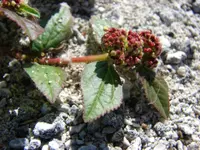
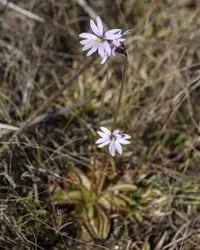
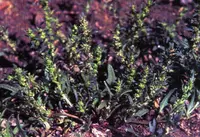
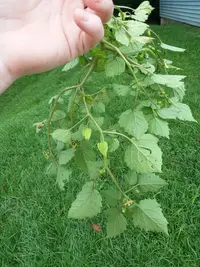
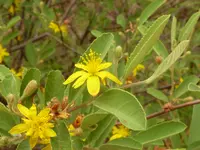
Acmella radicans is a low, spreading herb often used as a groundcover in warm climates. It forms dense mats of bright green foliage with small, yellow button-like flower heads. Native to tropical regions of the Americas, it typically grows in moist, open areas such as meadows, roadsides, and disturbed soils. The plant is fast-growing and can root at the nodes, which makes it easy to establish but sometimes vigorous in ideal conditions.

It is generally straightforward to grow in warm climates if given consistent moisture, good drainage, and at least moderate light. Understanding how to care for Acmella radicans mainly involves managing its spread and keeping the soil evenly moist without waterlogging.

Main Plant Requirements

Care Difficulty

Moderate Care

Light Preference

Partial Sun

Water Requirements

Regular Water

Temperature Preference

Tropical / Frost Sensitive

Hardiness Zone

10–12

Soil Texture

Loamy, Silty, Organic-rich

Soil pH

Acidic (5.5–6.5), Slightly acidic (6.5–7.0)

Soil Drainage

Moist but well-drained

Fertilization

Light (every 4–6 weeks)

Get Personalized Care Plan

Scan your plant to receive care tips personalized for your specific plant

Available on iOS and Android

How to Care for the Acmella radicans

This low, trailing species prefers bright, gentle sun with some protection during the hottest hours.

  • Provide 4–6 hours of direct morning sun or bright filtered light; light afternoon shade helps prevent leaf scorch, especially in hotter regions.
  • Tolerates partial shade, but stems may stretch and flowering decreases if it receives under 3–4 hours of sun daily.
  • In summer, monitor for pale, crispy foliage as a sign of excessive sun; in cooler seasons, reduce shade to maintain compact, vigorous Acmella radicans growth.

This shallow-rooted plant likes consistently moist but not saturated soil.

  • Water when the top 2–3 cm of soil feel dry, applying enough to moisten the root zone but allowing excess to drain away quickly.
  • Use a well-drained soil or bed; soggy conditions cause root rot, yellowing foliage, and a limp, collapsing habit, especially in cool weather.
  • In hot, windy periods, expect more frequent watering and watch for wilting or dull, drooping leaves; in cooler seasons, extend intervals to prevent waterlogging.

This warm-season species grows best in mild to hot conditions without frost exposure.

  • Aim for 70–85°F (21–29°C) for vigorous growth; plants usually remain active down to about 60°F (16°C) but slow noticeably below this.
  • Avoid temperatures below 40°F (4°C); light frost can damage foliage, and hard frost typically kills top growth, so treat it as annual in cold climates.
  • In very hot weather above 90°F (32°C), growth may pause; provide extra water and light afternoon shade to reduce heat stress and leaf scorch.

This species prefers moderately humid air but usually adapts to typical indoor levels if not too dry.

  • Aim for 40–60% humidity, avoiding prolonged conditions below 30%.
  • Crisping leaf edges, slow growth, and frequent wilting indicate humidity stress rather than underwatering.
  • Group plants, place the pot on a pebble tray, or use a small humidifier near Acmella radicans to raise local humidity.

This plant grows best in loose, moist, and well‑drained soil that still holds some organic matter.

  • Use a light loamy mix based on peat or coco coir with added compost for nutrients and structure.
  • Blend in 20–30% perlite or coarse sand to improve drainage and aeration, preventing roots from sitting in water.
  • Aim for slightly acidic to neutral pH around 6.0–7.0, avoiding strongly alkaline or saline soils.
  • Avoid compacted clay, poorly drained areas, or mixes that stay soggy, which quickly leads to root decline in Acmella radicans.

This species suits container growing and trails attractively over the pot edge.

  • Choose a wide, shallow pot to give spreading roots and stems space while avoiding deep, water‑holding soil columns.
  • Select a slightly heavier container material, such as ceramic, to stabilize the plant as its stems trail and pull outward.
  • Raise the pot on feet or bricks so drainage holes stay clear and excess water can escape quickly after rain or watering.

Light to moderate feeding supports compact, leafy growth and steady flowering in Acmella radicans.

  • Use a balanced liquid fertilizer (such as 10-10-10) diluted to 1/4–1/2 strength for container plants.
  • Feed every 3–4 weeks during the warm growing season when growth and flowering are active.
  • Pause or reduce feeding to once in 6–8 weeks during cool, low-light winter conditions.
  • In garden beds, mix in compost or use a slow-release fertilizer in spring instead of frequent liquid feeding.

Thoughtful pruning keeps Acmella radicans dense, tidy, and continuously blooming.

  • Best time for shaping is in spring and again lightly through summer during active growth.
  • Pinch or trim soft shoot tips to encourage branching and a fuller, spreading habit.
  • Remove dead, damaged, or overcrowded stems with clean, sharp scissors or hand pruners.
  • Deadhead spent flower heads to extend the blooming period and maintain a neat appearance.

Container and garden-grown plants benefit from occasional transplanting to maintain vigorous growth.

  • Check for roots circling the pot, drying out quickly, or slowed growth as signals to move Acmella radicans to a larger container.
  • Plan repotting or transplanting in spring, after frost risk, so roots establish in warming soil.
  • Repot every 1–2 years, stepping up 2–5 cm in pot diameter with a well-draining, fertile mix.
  • Handle the root ball gently, loosen congested roots lightly, water thoroughly, then shade for a few days to limit transplant shock.

This species responds well to several simple propagation methods under warm, bright conditions.

  • Use 7–10 cm softwood stem cuttings in late spring or summer; root in moist, well-drained mix with high humidity.
  • Sow fresh seeds in spring on the surface of a light seed mix, keeping 70–75°F and consistently moist until germination.
  • Divide mature clumps in spring, replanting divisions promptly at the same depth and watering in well.
  • Ensure cuttings and divisions receive bright, indirect light and avoid waterlogged conditions while roots form.

Acmella radicans is frost sensitive and needs mild conditions or protection in cold climates.

  • In regions with frost, grow in containers and move plants indoors or to a frost-free greenhouse before temperatures drop below 40°F.
  • For in-ground plants in mild zones, apply a 5–8 cm mulch layer over the root zone to buffer temperature swings.
  • Reduce watering in winter, keeping soil lightly moist but never saturated to prevent root rot.
  • Provide bright indoor light and good air movement for overwintered container plants, avoiding cold drafts.

Care Tips

Encourage Ground Cover

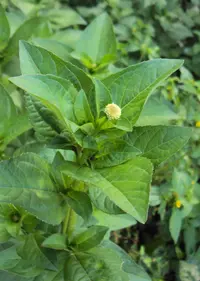
Pin down or lightly bury stem nodes with a small U-shaped wire or landscape staple so they root along the ground and form a denser, more weed-suppressing mat.

Container Edge Training

Plant close to the rim of a hanging basket or patio pot and gently drape and guide new stems over the edge weekly to create an even, cascading effect instead of a few long, bare runners.

Strategic Shear Back

In late spring or midseason, shear back the top 3–5 cm of growth with clean scissors to trigger branching and a flush of new foliage and flowers without stressing the root system.

Humidity-Aware Spacing

In humid or rainy climates, space plants so foliage dries within a few hours after wetting to limit foliar fungal issues, and avoid letting mats become thicker than about 5–7 cm.

Regular Pest Scouting

Inspect stem joints and the undersides of leaves every 1–2 weeks for aphids and spider mites, and rinse with a firm stream of water at the first sign of pests to keep growing Acmella radicans vigorous without immediate chemical intervention.

Common Pests and Diseases

Aphids

This pest often clusters on young stems and flower stalks, sucking sap and causing distortion, sticky honeydew, and sooty mold on foliage.

Solution

Rinse colonies off soft stems and undersides of leaves with a firm stream of water, then repeat every few days as needed. For persistent infestations, apply insecticidal soap or a light horticultural oil, ensuring thorough coverage of tender growth and avoiding sprays during high heat.

Spider mites

These insects thrive in hot, dry conditions, causing fine stippling on leaves, webbing between stems, and overall loss of vigor.

Solution

Increase humidity around the plant, then wash foliage carefully with lukewarm water to remove mites and webbing. If damage continues, use insecticidal soap or neem oil, applied to both upper and lower leaf surfaces at 5–7 day intervals until new growth appears clean.

Leaf spot

This disease produces small, water-soaked or brown spots on leaves that may enlarge, merge, and lead to premature yellowing and drop, especially in dense, wet foliage.

Solution

Remove and discard affected leaves, then thin or trim the plant slightly to improve air movement around the mat-forming stems. Avoid overhead watering, irrigate at soil level in the morning, and in severe cases use a labeled copper or chlorothalonil fungicide, following all instructions closely for Acmella radicans care instructions.

Powdery mildew

This disease appears as a white, powdery film on leaf surfaces, which can lead to curling, dull foliage, and reduced flowering in crowded or shaded plantings.

Solution

Improve light and airflow by spacing plants and trimming excess growth, and water at soil level rather than over the top. At first signs of infection, remove heavily covered leaves and apply a sulfur-based or potassium bicarbonate fungicide according to label directions, repeating as needed during humid periods.

Snails and slugs

These pests chew irregular holes in the soft, spreading foliage and can severely damage young runners, especially in damp, shaded sites or near the soil surface.

Solution

Hand-pick snails and slugs in the evening, remove hiding places such as dense debris, and use barriers like copper tape or rough grit around vulnerable patches. Where damage is heavy, apply iron phosphate slug bait around, not on, the planting and reapply after heavy rain as directed on the product label.

Interesting Facts

Creeping riverbank habit

Acmella radicans naturally occurs as a creeping herb along wet riverbanks and ditches in tropical America, where its prostrate stems root at the nodes and quickly form dense groundcover mats.

Distinctive flower structure

Its small, button-like flower heads lack large showy ray florets and instead have tight clusters of yellow disk florets, a characteristic feature of many members of the Asteraceae family.

Moisture-adapted growth

The species is adapted to periodically waterlogged soils, tolerating short-term flooding in its native habitats while still requiring good oxygen availability around the roots.

FAQs about Acmella radicans

Yes, this species is considered edible in small amounts. The leaves and flower heads have a strong tingling, numbing effect due to spilanthol. Use only untreated plants and introduce it cautiously if you have mouth sensitivities.

Grow Healthy Plants with Botan Care

Keep your plants happy and healthy with plant identification, disease detection, and easy care guidance.

Botan plant care app — identify plants on mobile

Explore More Plants